








Business

Share
Published 12:40 29 Oct 2026 GMT
Updated 12:40 29 Oct 2026 GMT
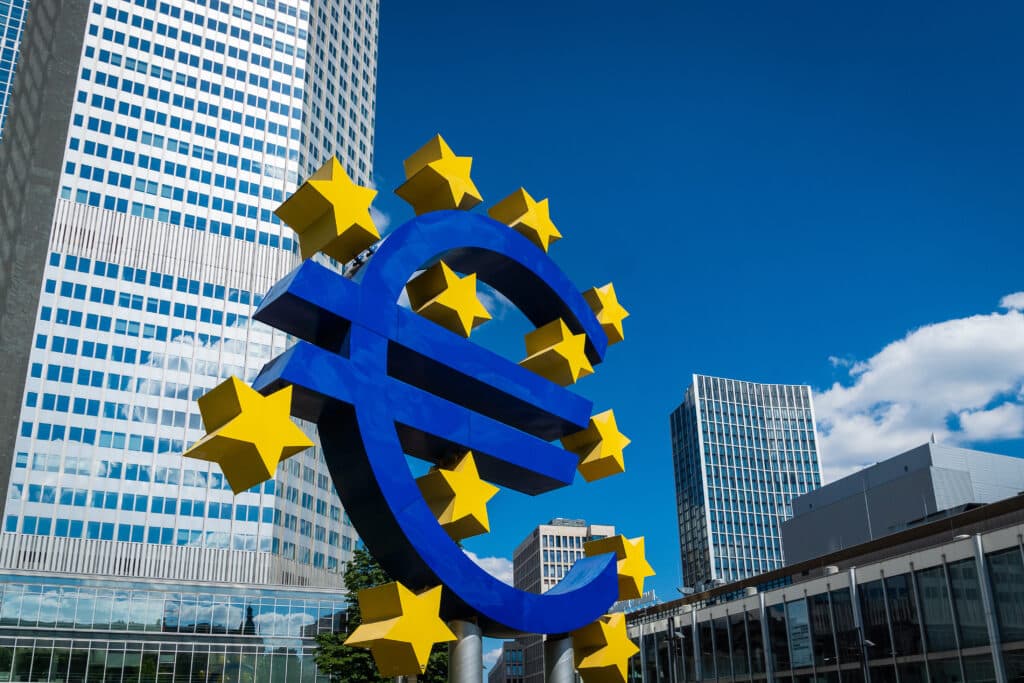
European leaders are facing a series of important appointments at the European Central Bank, with several senior positions set to change over the coming months.
The biggest development is Christine Lagarde’s decision to leave the presidency in February, well before the end of her planned term.
Her departure creates an opportunity to install a new ECB chief before France holds its presidential election next spring.
The timing could prove significant, as polls indicate that far-right leader Marine Le Pen could defeat incumbent Emmanuel Macron, potentially reshaping the political landscape in one of the eurozone’s most influential countries.
According to The Irish Times, Lagarde’s exit follows weeks of speculation about her future.
Reports have linked her to a possible move to the World Economic Forum as its chair, which would see her leave Frankfurt earlier than originally planned.
Lagarde became ECB president in 2019, despite having no previous experience in economics or central banking.
That made her an unusual choice for the role, and some investors initially questioned whether she had the expertise needed to lead the institution, describing her as a “credibility risk”.
Although her eight-year mandate was due to finish in October 2027, her planned February departure would bring her seven-year tenure to an end roughly nine months early.
The race to replace her is already taking shape, with different European governments backing their preferred candidates.
The Netherlands is pushing for former central bank governor Klaas Knot, while Spain supports Pablo Hernández de Cos, the current head of the Bank for International Settlements and a former governor of Spain’s central bank.
Neither candidate can be appointed without broad backing across the eurozone. A new member of the ECB’s executive board must receive the support of at least 16 of the bloc’s 21 countries, which together must represent 65% of its population.
The leadership reshuffle will not stop with Lagarde. Isabel Schnabel is expected to leave the ECB in January to take up a senior role at the International Monetary Fund, while chief economist Philip Lane’s term is due to expire in May.
Explore more on these topics:

Business

Business

Business

Business
TikTok job cuts: 600 Dublin roles gone as legal bills climb past $1bn
New accounts reveal scale of TikTok’s Dublin job cuts TikTok’s Irish operations are facing continued uncertainty after its Dublin workforce fell by 600 people last year, with fresh reports suggesting hundreds more jobs could be at risk. Accounts for TikTok Technology Limited, the company’s Irish subsidiary, show that it ended 2025 with 2,108 employees. Its […]
Business
22h
Halloween set to bring in millions to Ireland’s economy – north and south
It’s only right as Ireland is the birth place of Halloween that the pay-off only seems to get bigger and the festivals become more popular. Halloween has been celebrated in Ireland in one form or another for more than 2,000 years. The ancient Celtic fire festival of Samhain, marked the end of the harvest season […]
Business
1 day ago

Business
Business