




News

Share
Published 10:35 20 Nov 2026 GMT
Updated 10:35 20 Nov 2026 GMT
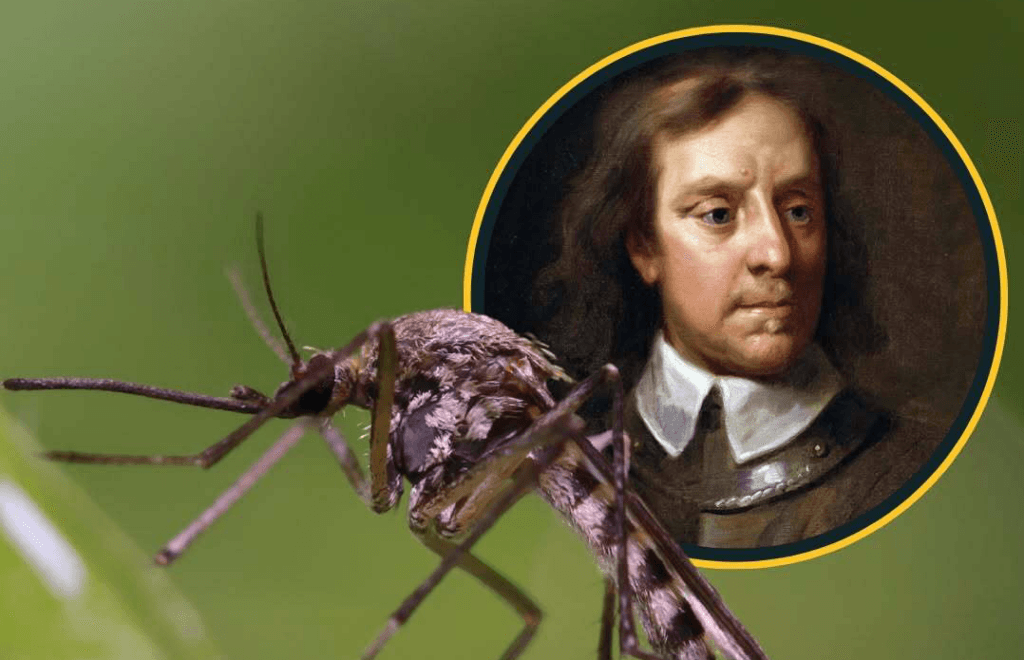
In May this year, councillor for Cork North East, Oliver Moran, put forward a motion to erect a statue for a bug that bit Oliver Cromwell.
Cork City Council was to vote on the motion to build the “world’s smallest statue” in the city dedicated to a mosquito or midge that bit Oliver Cromwell during the siege of Cork.
Cromwell invaded Ireland in 1649 and laid siege to many cities around the country, including Cork.
The most hated man in Irish history was bit by a bug, thought to be a mosquito, while in Cork.
From this bite, he would develop what would be called “Cork Fever”, which we now know that it was actually malaria.
Eventually, it caused the tyrant’s death in 1658.
Cromwell led a Parliamentary invasion of Ireland from 1649 to 1650 with the English forces committing massacres in Drogheda and Wexford, following the victory over the Royalists in the English civil war.
In Cork, similar violence was avoided when he persuaded the Protestant Royalist troops there to change sides.
The Puritan leader departed Ireland from Youghal in May 1650, and never returned, dying eight years later.
Now, months later, Cork City Council has advised against a proposal to erect a statue that would commemorate the English republican leader’s infection with “Cork fever” (malaria).
The council’s Arts Office “would advise against a commemorative artwork that would take as its starting point the celebration of the death of an individual”, Director of Services Rebecca Loughry said.
According to the council, malaria remains a deadly disease around the world, killing 610,000 people in 2024.
“Any commemorative sculpture of a mosquito should take account of the gravity of the disease and its impact on human mortality”, it added.
Councillor Moran, as he spoke to the Irish Independent, said that the council’s Community, Culture & Placemaking committee acknowledged the concerns from officials.
However, he still asked for an updated report at the next meeting on how to proceed with the statue.
“My initial motivation for this motion, along with a series of others, was to provoke people to think wider about the kinds of figures and things we commemorate. Since then the idea has taken a life of its own and captured imaginations in ways that I never imagined”, he said.
“When that happens, there’s an obligation now for us to look seriously at it. I think we can do that while also acknowledging the seriousness of the subject matter, malaria, then and now. I suggested Elizabeth Fort as a location. We’ve already installations there that are gruesome, but they’re set in the context of the time.”
The interest in his motion has been “phenomenal”, according to the councillor, and he hopes the tiny statue can still go ahead.
He added: “I think passing that over without giving it serious thought would be a mistake. If any city can pull it off, Cork can.”
Explore more on these topics:
News
News
News

Plans to lower majority Dublin city roads to speeds as low as 20kmh
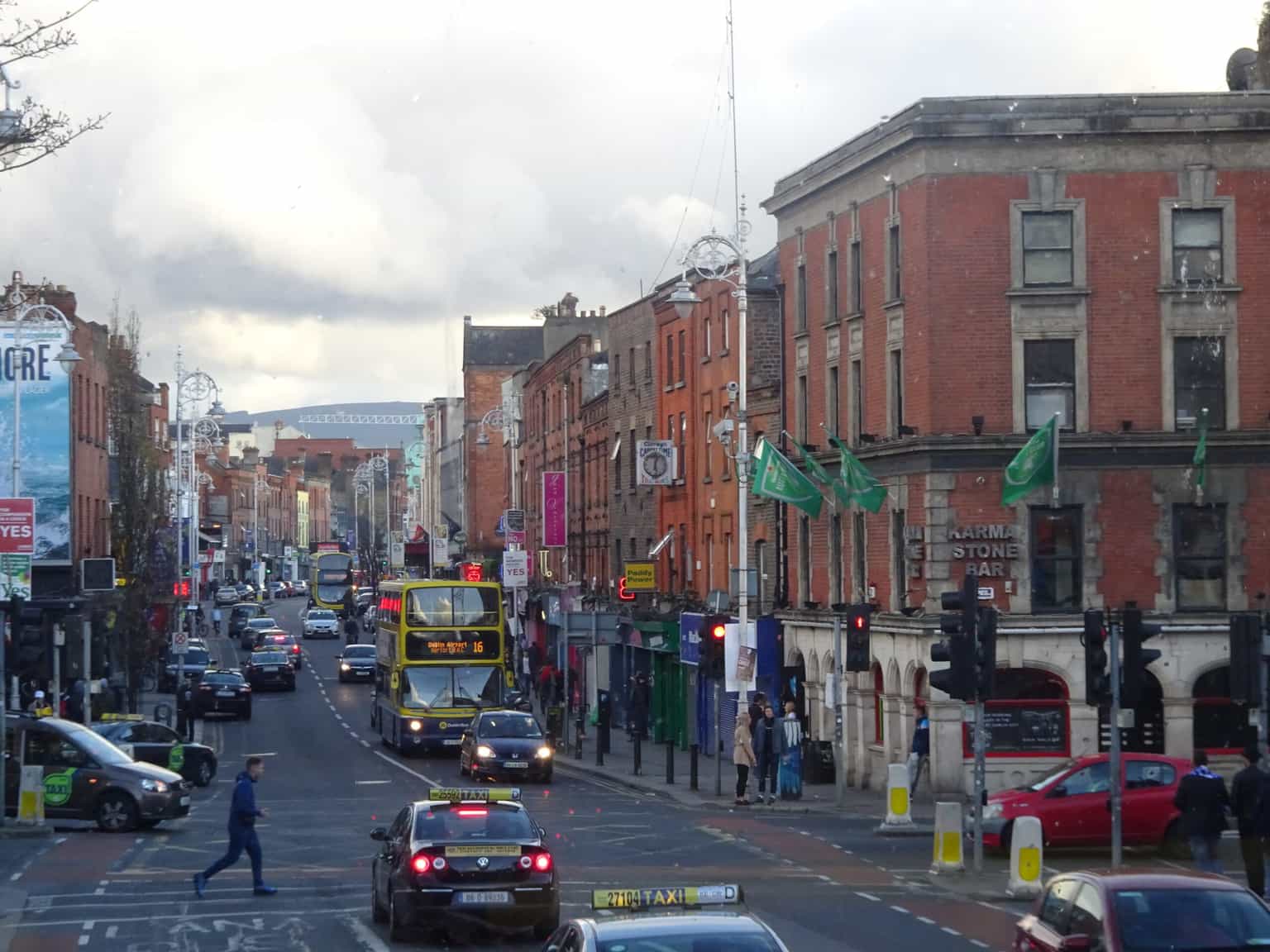
Get ready to slow down. Almost 97% of roads in Dublin city could soon have speed limits of 30km/h or lower, with some of the capital’s busiest streets set to introduce an even stricter 20km/h restriction. Temple Bar, Henry Street and Talbot Street are among the locations included in the proposals, which are aimed at […]
News
23h
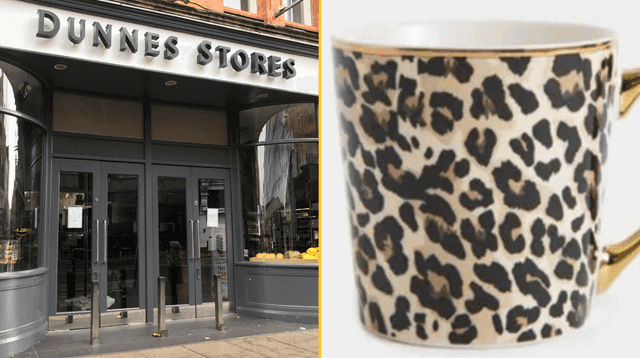
Dunnes Stores urgently recalls thousands of popular mugs over risk of serious burns
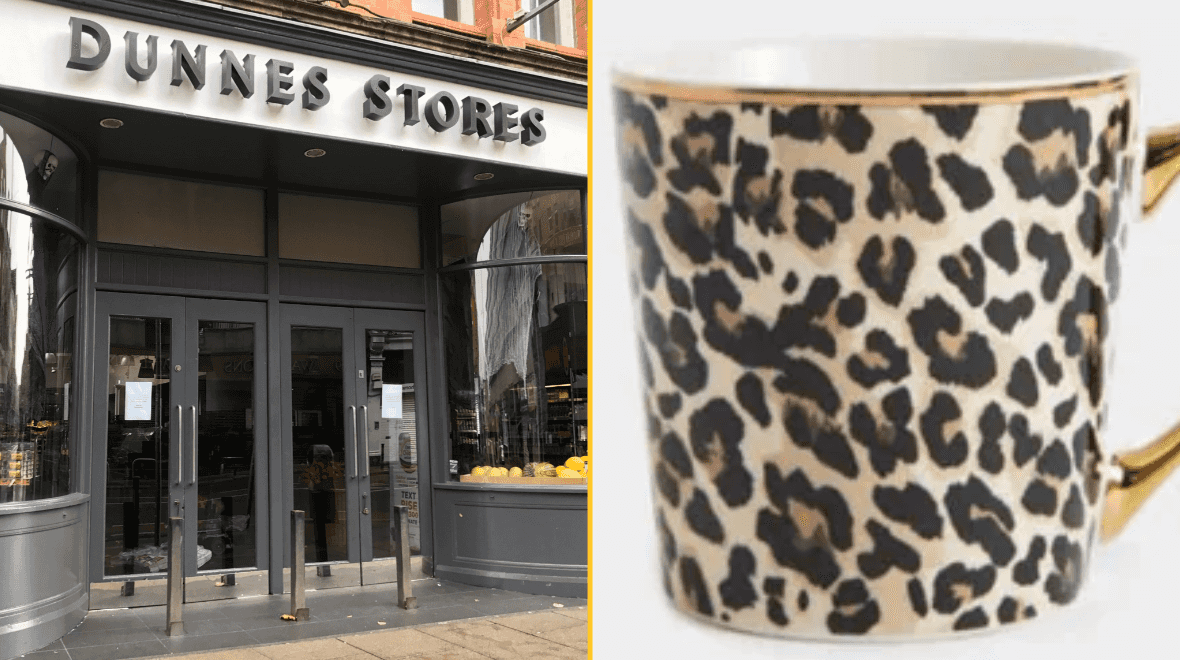
The CCPC warned the mugs could overheat in microwaves. Dunnes Stores has urgently recalled thousands of popular mugs over a risk of serious burns. Alongside the Competition and Consumer Protection Commission (CCPC), the retailer issued an immediate recall, affecting 4,661 items. The popular leopard print mug was pulled from sale citing a “risk of injury” […]
News
1 day ago
News
Over 50% of drug treatment presentations now for cocaine
News