


News

Share
Published 13:52 24 Mar 2026 GMT
Updated 15:07 24 Mar 2026 GMT
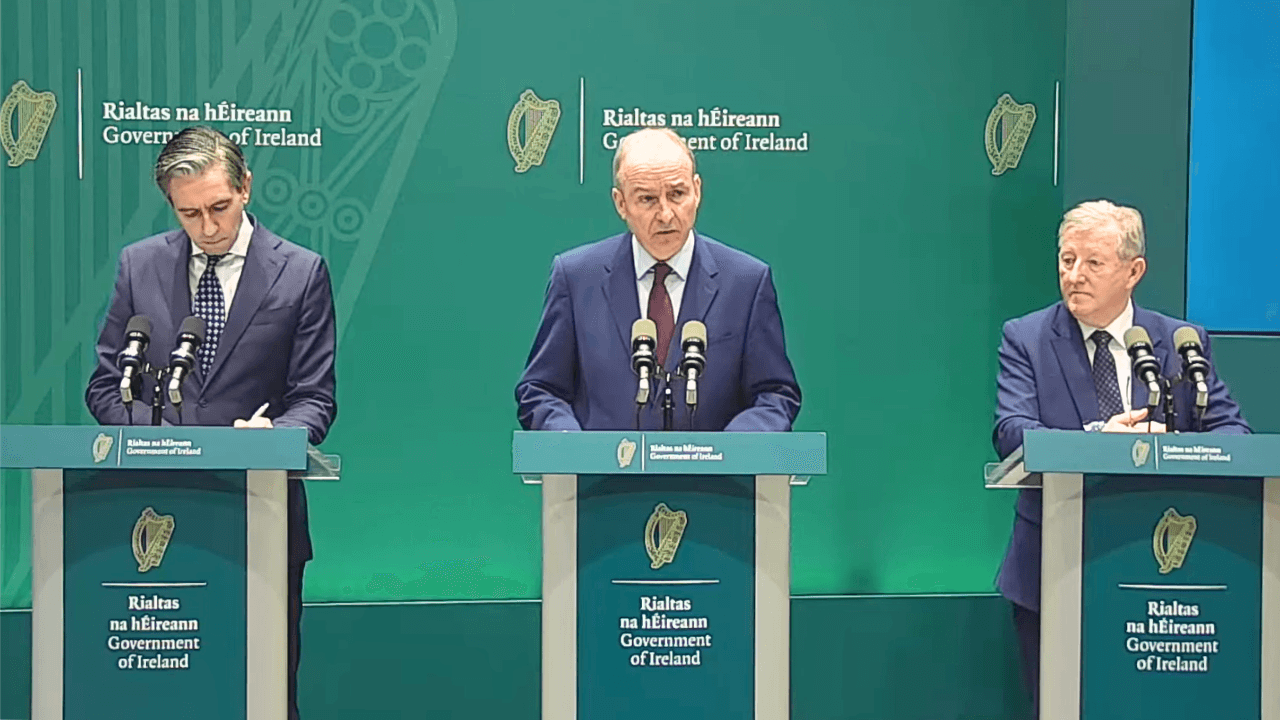
The Government has confirmed a new package of emergency measures, which aims to ease pressure on people and businesses.
This €250 million package is in response to the recent, much-publicised surge in fuel prices due to the ongoing war in the Middle East.
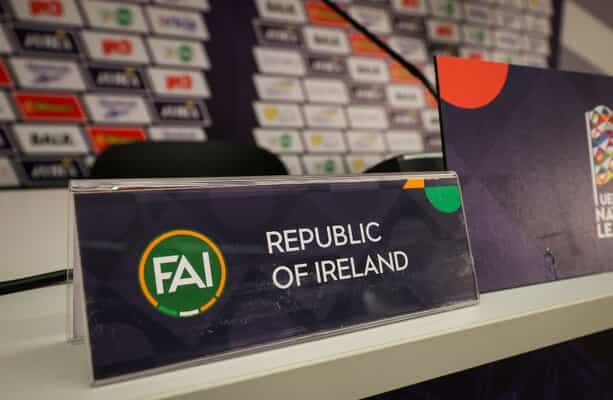
In a press conference today (Tuesday, 24 March) with Taoiseach Micheál Martin and Tánaiste Simon Harris, the emergency measures were described as "targeted, temporary, affordable intervention aimed at protecting living standards and maintaining economic stability and competitiveness".
As part of the package, Ireland's excise rates on petrol, diesel and green diesel will be cut, with the reduction set to take effect from midnight tonight.
The rates on petrol will be cut by 15c per litre, the rates on autodiesel will be cut by 20c per litre and the rates on green diesel will be cut by 3c per litre.
The reduction will remain in place until 31 May 2026.
The NORA (National Oil Reserves Agency) levy will also be cut from 2c per litre to a nominal rate.
"When combined, these changes mean an effective reduction of 22c per litre of diesel and 17c per litre of petrol," Tánaiste Simon Harris said.
The Fine Gael leader also stated that the Government is very conscious of the pressures that households are feeling, particularly those using home heating oil.
As such, the fuel allowance payment will be extended by a further four weeks.
The Tánaiste explained that it is also important to support key sectors in the Irish economy that are vital to the supply chains, including hauliers and bus and coach operators.
"To this end, I'm increasing the maximum repayment under the diesel rebate scheme from 7.5c to 12c per litre," he added.
"This increase will be backdated to January and will remain in place until the end of June. It's done on a quarterly basis."
Taoiseach Martin said the package aims to cushion "the worst impacts of the price shock for those most exposed and those who are most vulnerable".
"This is a moment of great instability and uncertainty in the world," he told the press conference.
"The conflict between the United States, Israel and Iran and the retaliatory strikes being carried out throughout the Middle East are causing death, destruction and humanitarian hardship.
"But this war is also causing a tactical and structural disruption to energy supplies that is unprecedented in generations.
"Indeed, the International Energy Agency have described it as the largest supply disruption in the history of the global oil market."
Martin added that there have been reports about the energy crisis from "social media and the media in general", some of which have been "real" and some of which have been "fake".
He said that these differing reports are "feeding into extraordinary volatility on the market and in energy prices".
"The risks to our economy and our progress from this war are real, and they're very serious," Martin continues.
"Thanks to our strong fiscal position, underpinned by prudent economic management, we are in a position to help our people, to reduce pressure on our businesses, manage some of those risks, and to do so in a way that is proportionate, sensible and sustainable."
Taoiseach Martin also told the press conference that the crisis provides the public with an "opportunity to reflect on our energy use and to make sure that we're each doing all that we can to make our homes as energy efficient as possible, using public transport where we can, and generally being mindful of our energy use".
"The truth is, we do not know how this war will unfold. No one does. But our hope and our contribution to the national debate is for de-escalation and for peace and for the war to end," the Fianna Fáil leader said.
The package of emergency measures was also described in the press conference as "time-bound" and "subject to ongoing review based on market developments".
Explore more on these topics:
News
News

News
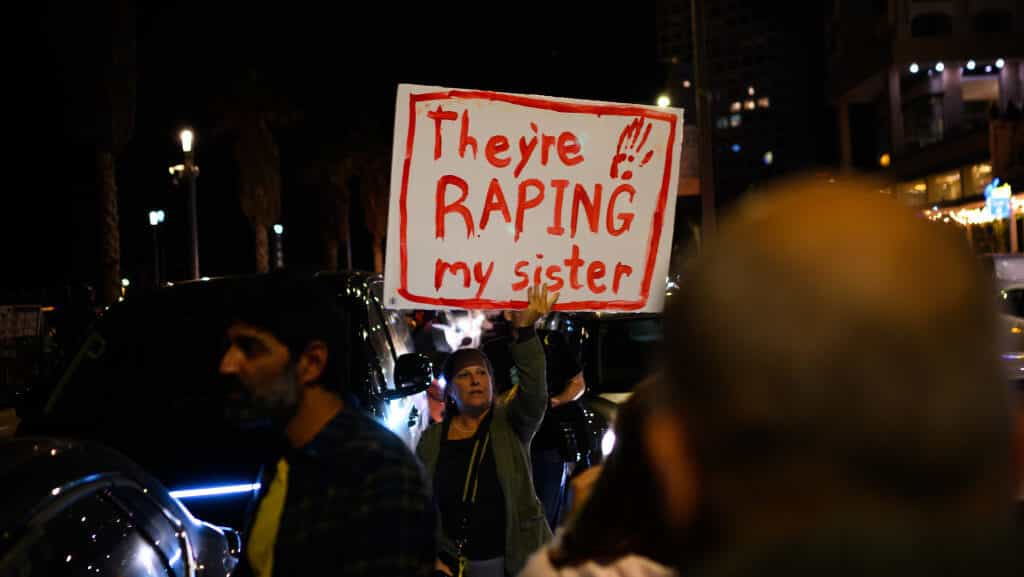
Pilot ‘may have tried to crash plane’ in possible terror attack, Israeli officials say
There were reports of blood and a knife. One of the pilots involved in the FlyDubai incident may have allegedly been trying to crash the plane in a possible terror attack, Israeli officials have claimed. A hijack alert was issued on Wednesday morning, forcing a Tel Aviv-bound flight to divert to Saudi Arabia after a […]
News
13h
Ruby Rose says she was ‘accused of murder’ at 15 when a child died
Ruby Rose opened up on a podcast this week. The Australian actor Ruby Rose says she was “accused of murder” after attending a party with her mother. She told the story on Kaitlyn Bristowe‘s “Off the Vine” podcast on Tuesday. She was at the event with friends when she discovered a four year old boy in […]
News
14h
News
Zuckerberg donates €150,000 to three GAA clubs near his Waterford castle
News