









News

Share
Published 16:28 6 Aug 2026 BST
Updated 16:28 6 Aug 2026 BST

The Domestic Violence (Judgments) Register Act 2026, commonly known as Jennie's Law, has been signed into law and establishes Ireland's first Domestic Violence Judgments Register.
Named in memory of Jennifer ‘Jennie’ Poole, the legislation aims to help people access information that may support safer decision-making.
Here's everything you need to know:
Jennie's Law establishes a Domestic Violence Judgments Register, which will be maintained by the Courts Service.
This register means if someone has been convicted of certain serious domestic violence offences against a current or former partner, details of that conviction can be made available on a public register.
The aim is to allow people to access information that could be relevant to their safety.
However, not every conviction will automatically appear on the register.
Before a judgment can be published, the trial judge must decide that publication is appropriate and the victim/survivor must consent to the offender being named.
In approved cases, the published judgment will include details of the conviction and sentence, as well as any other information the judge sees fit.
The register will be available through the Courts Service website and will provide links to domestic violence support services.
A launch date for the register has yet to be announced, but it was signed into law on July 21, 2026.
The register will be available to all members of the public through the Courts Service website.
It is intended to help people who are in, or considering entering, an intimate relationship check whether a person appears on the register.
If someone does appear on the register, it means they have been convicted of a qualifying serious domestic violence offence and the court has approved the publication of that judgment.
Jennie's Law is being introduced as Ireland continues to face a major domestic abuse problem.
In 2024, Women's Aid Ireland received 32,144 contacts from people seeking support, the highest number in the organisation's 50-year history. Those contacts included 46,765 disclosures of domestic abuse.
The organisation also reported that one in three women who contacted them were experiencing abuse from an ex-partner, showing that abuse can continue even after a relationship ends.
The law will not list allegations or accusations, only certain serious domestic violence convictions that meet strict legal requirements.
It aims to give people information that could help them spot risks earlier and protect themselves while also supporting victims.
Jennie's Law is named after Jennifer ‘Jennie’ Poole, a 24-year-old mother of two who was murdered by her former partner, Gavin Murphy, in April 2021.
Following her death, Jennie’s family launched a campaign calling for greater transparency around serious domestic violence convictions.
They argued that if people knew a current or prospective partner had previously been convicted of serious domestic violence offences, they would be better equipped to make informed decisions about their safety.
After years of campaigning by her family, Jennie’s Law was passed by the Oireachtas and signed into law last month.
The Poole family have described the legislation as a ‘lasting legacy’ in Jennie’s memory and hope it will help protect others from experiencing a similar tragedy.
For more information on Jennie’s Law, see the below video.
Explore more on these topics:

News

News
News

News
Oasis Slane tickets: Full prices compared with UK and European Live ’27 dates
You may be crying your heart out at these prices… Oasis fans are finally getting their chance to buy tickets for the band’s huge Live ’27 tour, with the first Irish sales taking place today. Liam and Noel Gallagher will play two nights at Slane Castle on September 4 and 5, 2027, with Richard Ashcroft […]
News
1 day ago
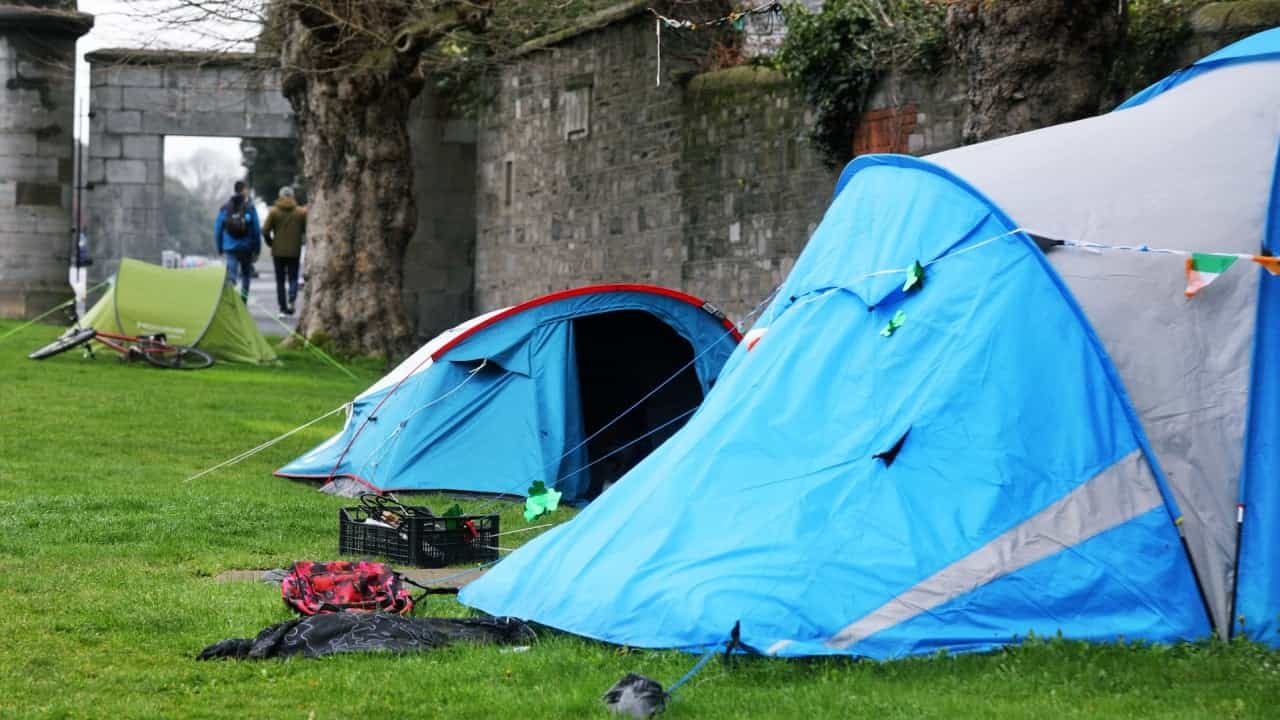
Homelessness has risen 9% this year
A record number of 17,885 people were in emergency accommodation last month, according to the Department of Housing. The number of adults in emergency accommodation now stands at 12,055, with 5,830 children in emergency accommodation. An increase of 358 people in July, including 171 children. Of the 7,304 single adults in emergency accommodation nationally, 4,881 […]
News
1 day ago

News
Luas suspended in Dublin city centre
News