




News

Share
Published 14:21 27 Sept 2026 BST
Updated 14:21 27 Sept 2026 BST
A decades-old dispute over an Orange Order parade in Portadown has returned to the headlines, after a series of court rulings cleared the way for a restricted march along the Garvaghy Road.
The road has been at the centre of some of the most serious clashes of the Troubles, with the parade dispute contributing to widespread violence and a number of deaths in the 1990s.
Here’s everything you need to know about the history of the dispute and what is happening in Portadown today.
The Garvaghy Road is a mainly Catholic area of Portadown, County Armagh, and is also part of the traditional route of an Orange Order parade to and from Drumcree Church.
The parade dates back to 1807, when the surrounding area was largely rural.
As Portadown developed, housing was built along the route and the Garvaghy Road became predominantly Catholic.
Its Residents have strongly opposed the parade travelling through the area for decades, arguing that they do not consent to it and that it is associated with sectarianism and intimidation.
The Orange Order says the route is a historic one and that its members should be allowed to complete it.
The dispute became particularly serious during the Troubles, with major confrontations taking place at Drumcree in the 1990s.
The dispute has returned to headlines following a series of recent legal decisions.
In August, the High Court quashed a Parades Commission decision which had prevented the Orange Order from returning to the traditional route. The court found that the commission had not followed its own procedures.
The Portadown Orange Order subsequently applied to march along Garvaghy Road, and on 25 September, the Parades Commission approved a heavily restricted parade for today, Sunday September 27.
It limited the procession to 35 participants, with no bands or supporters and restrictions on the time of the march.
An injunction initially stopped the parade, but the Court of Appeal overturned that decision.
Following a further High Court hearing in the early hours of this morning, the parade was allowed to proceed.
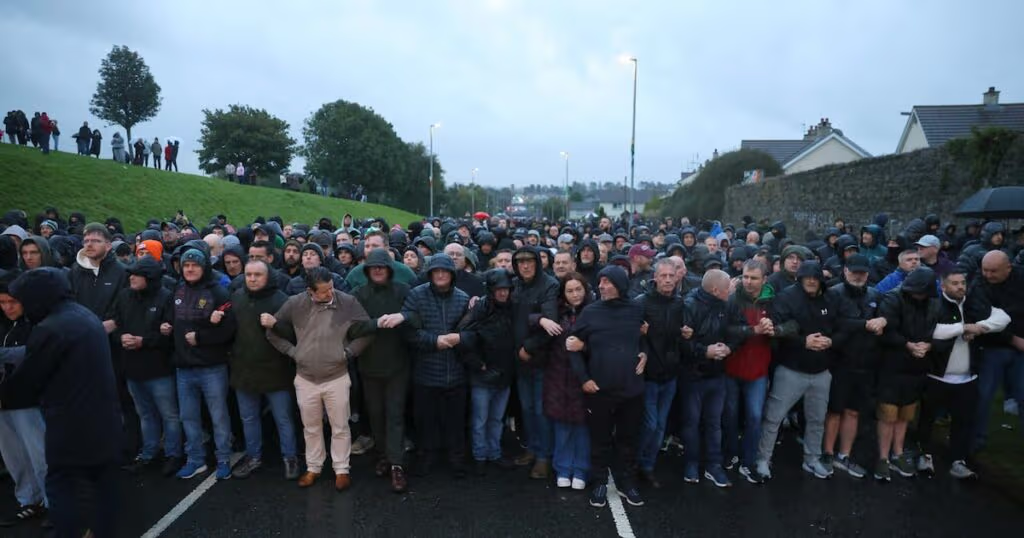
However, protesters have gathered on Garvaghy Road and blocked the route.
Although the parade usually takes place in July, this week marks 'Orange Heritage Week' and so the Orange Order wanted to mark it by walking down the contentious route after the parades commission ruling fell apart.
The dispute is rooted in the history of sectarian division and violence in Portadown.
During the '90s, Drumcree became one of the most serious flashpoints of the Troubles.
Thousands of Orangemen and loyalists gathered at Drumcree, while residents protested against the march.
In 1996, the decision to allow the parade along Garvaghy Road after days of loyalist violence triggered widespread nationalist rioting elsewhere in Northern Ireland.
The following year, the security forces cleared residents from the road before allowing the parade through.
From 1998 onwards, the Parades Commission banned the parade from Garvaghy Road.
The wider period of parading-related tensions was associated with 21 murders between 1996 and 1999, according to contemporary accounts of the dispute.
One of the most notorious incidents came in July 1998, when brothers Jason, Mark and Richard Quinn, aged eight, nine and 10, died after their home in Ballymoney was petrol-bombed in an attack carried out by loyalists during the height of the Drumcree crisis.
Other deaths connected to the wider period included those of Catholic taxi driver Michael McGoldrick, Catholic teenager Robert Hamill, RUC officer Frank O'Reilly and Human rights lawyer Rosemary Nelson in 1999 after representing the Garvaghy Road residents.
The parade has not travelled along Garvaghy Road since 1997.
As of this morning, Sunday, September 27, protesters were blocking Garvaghy Road despite the parade having received legal permission to proceed.
The Orange Order's permitted parade is significantly smaller than the traditional procession, with 35 participants and no bands or supporters.
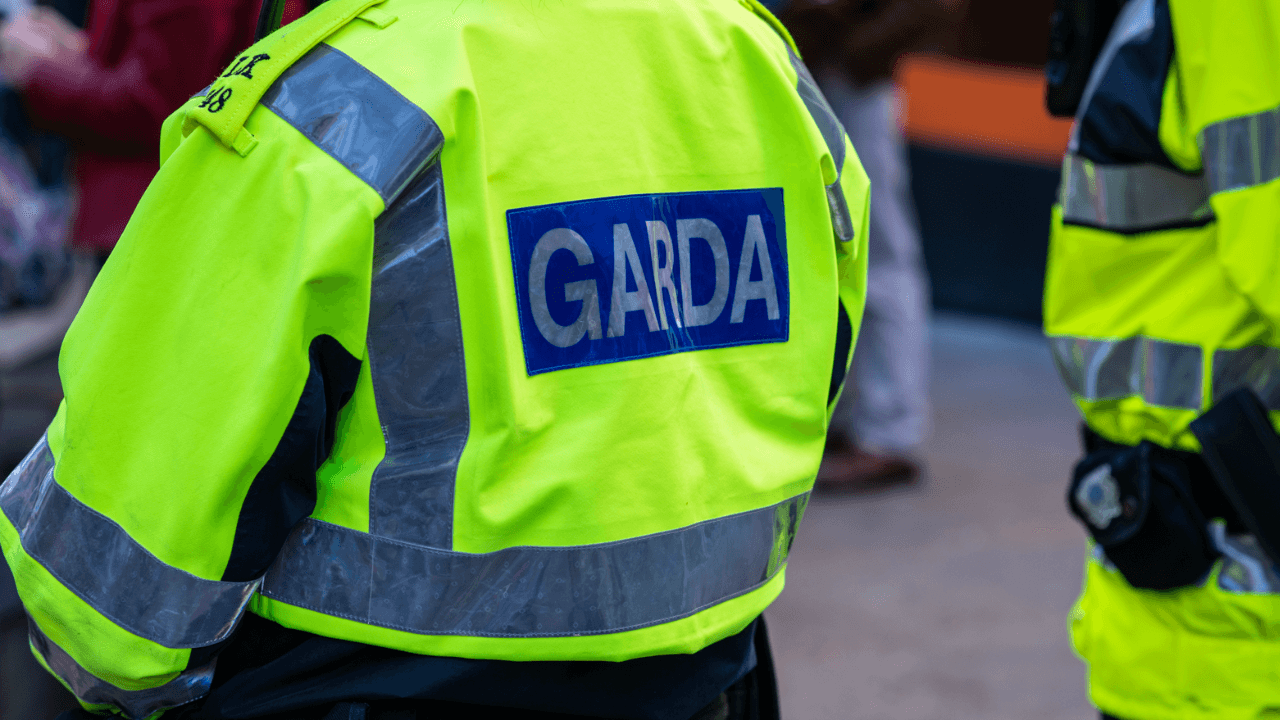
A major PSNI security operation is in place, with additional officers deployed to Portadown.
The situation remains a standoff between protesters seeking to prevent the parade and the Orange Order, which has permission to march under the Parades Commission's conditions.
The dispute has revived memories of the violence surrounding Drumcree in the 1990s, almost 30 years after the last Orange Order parade travelled along Garvaghy Road.
Explore more on these topics:


News
News

News
News
Ed Sheeran forced to cancel upcoming shows at Robert Kraft’s Gillette Stadium
It comes as the tour made headlines after removing Macklemore over pro-Palestine speech Ed Sheeran’s two shows at Robert Kraft’s Gillette Stadium in Massachusetts this weekend have been cancelled due to severe weather warnings. The singer had been due to perform at the home of the New England Patriots on Friday and Saturday as part […]
News
1 day ago
Oasis Slane tickets: Full prices compared with UK and European Live ’27 dates
You may be crying your heart out at these prices… Oasis fans are finally getting their chance to buy tickets for the band’s huge Live ’27 tour, with the first Irish sales taking place today. Liam and Noel Gallagher will play two nights at Slane Castle on September 4 and 5, 2027, with Richard Ashcroft […]
News
1 day ago

News
WATCH: Minister says Conor McGregor accuser Nikita Hand has “done the state some service”
News