






News

Share
Published 00:01 25 Nov 2026 GMT
Updated 15:18 24 Nov 2026 GMT
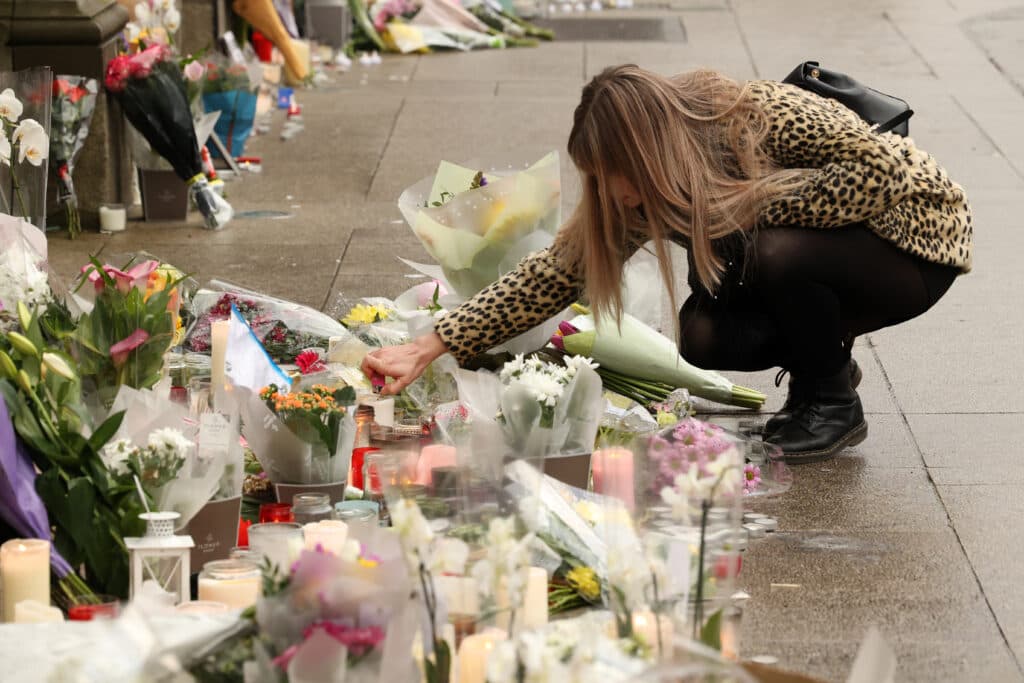
The number of women killed in violent circumstances in Ireland has risen again, marking a reversal after two decades of decline, according to a new report from Women’s Aid.
The organisation's Femicide Watch has recorded 291 women killed violently in the Republic of Ireland since it began tracking cases in 1996.
However, its latest findings show that the number of deaths has increased by 29% when comparing the periods between 2016–2020 and 2021–2025.
Thirteen women have already been killed in violent circumstances in 2026, compared with seven throughout 2025.
The report also highlights who is responsible for these killings, with the vast majority of women in resolved cases being murdered by someone they knew.
Almost nine in 10 victims (89%) were killed by a man known to them.
More than half (57%) were murdered by a current or former partner, while male relatives and acquaintances accounted for another 32% of cases. Just 11% of women were killed by a male stranger.
In most cases, the violence took place behind closed doors, with 68% of women murdered in their own homes.
Knives and other sharp objects were the most commonly used weapons, accounting for 34% of deaths.
The figures also reveal the devastating impact on children.
Twenty-five children were killed alongside a woman, usually their mother, while a further 410 children have lost their mothers to femicide. Most of those affected were under the age of 18.
There are also a number of cases where nobody has been held responsible.
A total of 32 killings, representing 11% of cases, have resulted in no one being held accountable, while nine women remain missing and are believed to have been murdered.
Women aged between 26 and 35 were the largest age group among victims, making up 26% of the total.
The report also recorded 25 murder-suicides, with 24 involving a woman's current or former partner killing her before taking his own life.
In 40 separate incidents, other people, including family members and bystanders, were also injured.
Women’s Aid CEO Sarah Benson said the increase in killings should be a major cause for concern, particularly given that women are most often in danger from men already in their lives.
“Ireland is one of the wealthiest countries in the world, and we have good laws. Yet women are still being killed by the men closest to them. Most men choose never to behave this way, and that is exactly why we need everyone to recognise this violence and call it out.”
While most men never engage in this kind of violence, Ms Benson stressed the importance of recognising abusive behaviour and challenging it before it escalates.
Women’s Aid is now calling for stronger measures to prevent femicide, including a national risk assessment framework, more specialist domestic violence services and better data collection.
"The forthcoming 4th National Strategy must reconfirm an all-of-Government approach so that we finally build an Ireland with zero tolerance for domestic, sexual and gender-based violence," said Benson.
Since 1996, Women’s Aid has used its Femicide Watch to document the violent deaths of women across the Republic of Ireland, building a record of cases spanning the past 30 years.
The project has played a key role in highlighting the scale of femicide in the country, with its findings helping shape media coverage, Government policies and changes to legislation.
In the absence of an official database tracking these killings, Women’s Aid compiles its figures by monitoring local and national news reports, ensuring cases are recorded and the women who lost their lives are remembered.
To mark three decades of documenting femicide, the organisation has also launched We Remember, an online memorial honouring the women whose deaths have been recorded by the project.
Women’s Aid 24-hour National Freephone Helpline: 1800 341 900, or visit www.womensaid.ie
National Male Advice Line: 1800 816 588 https://mensnetwork.ie/mal/
Explore more on these topics:


News
News

News

News
Thousands of part-time Census jobs paying €3k for eight weeks of work up for grabs across Ireland
Thousands of new positions are being created ahead of the 2027 Census Ireland is looking to recruit 12,000 people to help deliver its 2027 Census, offering successful candidates a short-term job with more than €3,000 in pay. The positions are being advertised under the title Census Field Support Officer, replacing the previous Census Enumerator name. […]
News
14h
Russell Brand selling ‘fundraising’ merchandise from behind bars
Brand is selling a very particular message to his supporters Russell Brand is continuing to make money from his personal brand while behind bars, with a new merchandise collection asking supporters to “Free Russell Brand” and portraying him as a victim of censorship. Three products are currently available through his website, including a baseball cap […]
News
15h
Two pedestrians dead after separate collisions in Clare and Mayo
News