









News

Share
Published 13:01 4 May 2026 BST
Updated 13:05 4 May 2026 BST
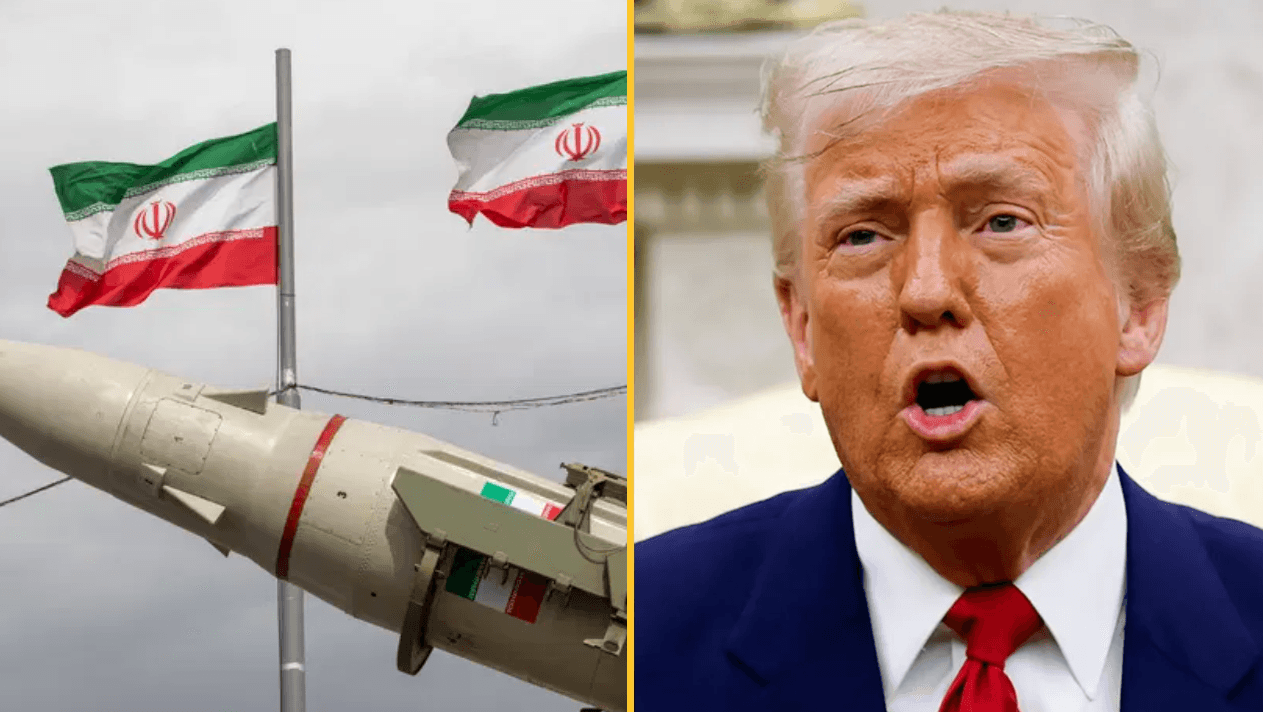
Iran has fired “two missiles” at a US warship, stopping it from entering the Strait of Hormuz, it has been reported.
According to Iran's Fars news agency, the missiles hit the warship near Jask Island, after it ignored Iranian warnings.
Meanwhile, state TV has reported that Iran’s navy prevented the entry of US warships to the strait.
Iran’s claims have been denied by the US, Axios reported, citing the reaction from a senior US official.
US President Donald Trump has said that his country will start to guide ships “safely” out of the Strait of Hormuz on Monday.
Trump called it a “humanitarian gesture” while warning that any action that interferes will “have to be dealt with forcefully”.
The US Central Command said that 15,000 troops would be part of the navigation mission in the Strait of Hormuz, in the hours that followed Trump’s announcement.
Iran, meanwhile, said that any US efforts in the Strait of Hormuz “will be considered a violation of the ceasefire”, as it warned of a ceasefire breach.
Following the joint US-Israeli attacks on Iran in late February this year, shipping traffic through the Strait of Hormuz, a major waterway for world energy trade, has been largely blocked by Iran.
Iran has retaliated by launching missile and drone attacks on Israel, US military bases, and US-allied Gulf states.
The Iranian Revolutionary Guard (IRGC) issued warnings forbidding passage through the strait, has boarded and attacked merchant ships, and has laid sea mines in the strait.
On the other hand, the US has blockaded Iranian ports, leading to a “dual blockade” of the strait.
Until the US–Israeli war against Iran, the Strait of Hormuz was open and about 25% of the world's seaborne oil trade and 20% of the world's liquefied natural gas passed through it.
Amid fears of prolonged supply shortages, oil prices rose faster than during any other conflict in recent history.
Brent crude oil prices surpassed US$100 per barrel in March of this year for the first time in four years, rising to US$126 per barrel at its peak.
The largest ever monthly increase in oil prices occurred in March of this year.
The closure of the strait has been the largest disruption to world energy supply since the 1970s energy crisis, as well as the largest in the history of the world oil market.
In the first week of April, a temporary ceasefire was agreed that was to involve the re-opening of the strait.
However, Iran began to control traffic through the strait and charging tolls of over $1 million per ship.
Explore more on these topics:


Following the failure of the Islamabad Talks, the US Navy itself began to blockade Iranian ports from 13 April.
In late April, Trump ordered the US Navy to destroy any Iranian boats laying mines in the Hormuz, while in the first week of May, he said that the US will help free up ships in the Strait of Hormuz beginning the next morning.
The situation has been described as a “dual blockade”, with the US Navy blockading Iran and Iran blockading the Gulf.

News

News

News

News
Man, 30s, arrested as teen killed in Kerry hit-and-run named locally
The teenager had just celebrated his 17th birthday. A man has been arrested after a teenager was killed in a County Kerry hit-and-run. The incident involving a van and a pedestrian occurred on the N69 near Dromin Upper, Listowel, on Saturday, September 26, around 3am. The van failed to remain at the scene. The male […]
News
12h
Ed Sheeran forced to cancel upcoming shows at Robert Kraft’s Gillette Stadium
It comes as the tour made headlines after removing Macklemore over pro-Palestine speech Ed Sheeran’s two shows at Robert Kraft’s Gillette Stadium in Massachusetts this weekend have been cancelled due to severe weather warnings. The singer had been due to perform at the home of the New England Patriots on Friday and Saturday as part […]
News
2 days ago
Killer on the run captured in Donegal caravan
News