



Business

Share
Published 13:48 30 Oct 2026 GMT
Updated 13:48 30 Oct 2026 GMT
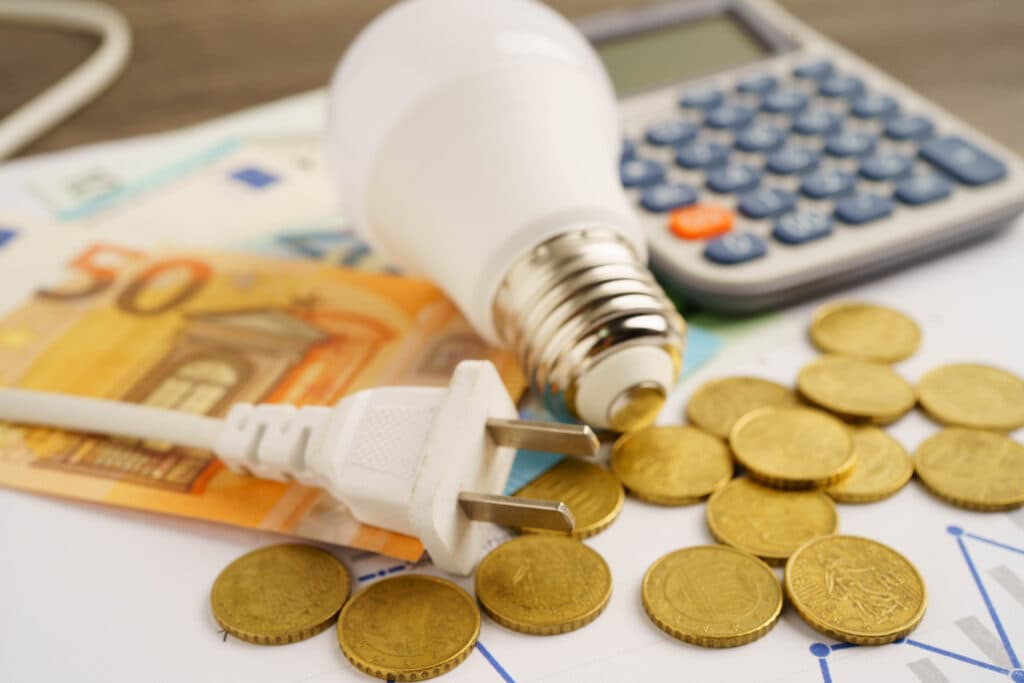
Households across the EU saw a small reduction in average electricity costs during the first half of 2026, but the improvement was not shared equally.
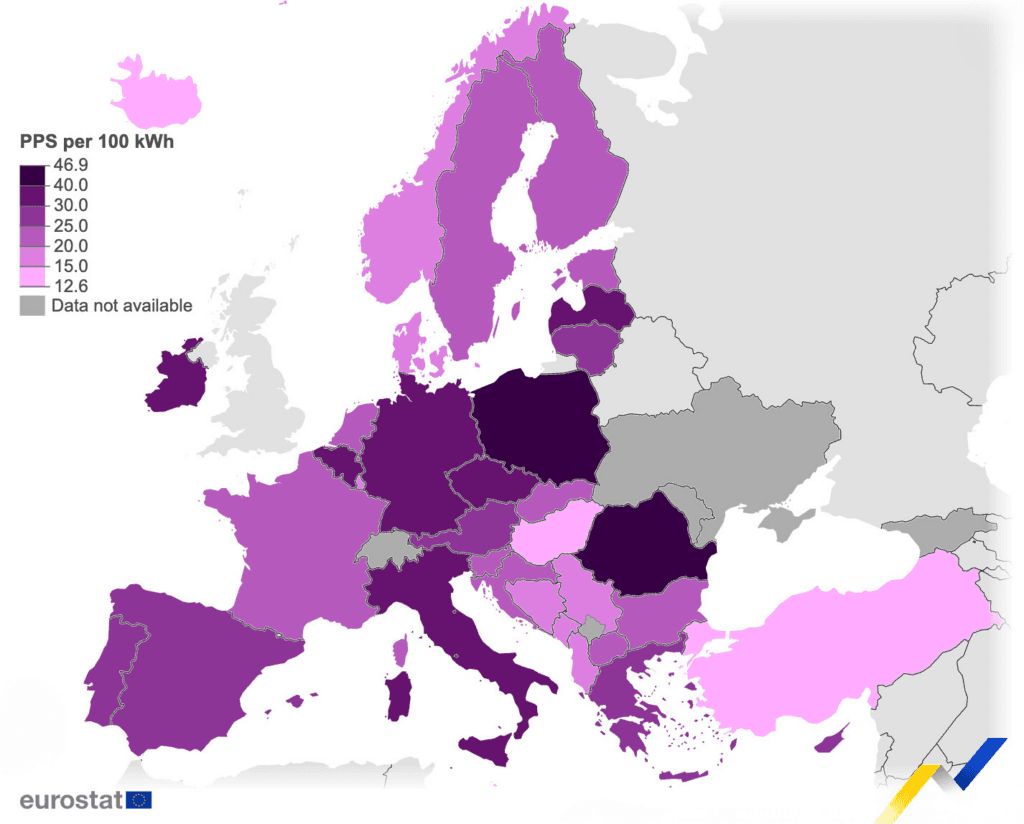
Ireland remained the most expensive country for domestic power, with consumers paying considerably more than the European average.
Eurostat's latest figures, released on Friday, October 30, show Irish households were charged an average of €0.39 per kilowatt hour (kWh).
Germany and Belgium came next, both recording €0.36 per kWh.
By comparison, the EU average stood at €0.28, following a 2.2% fall from the previous six-month period.
The figures include taxes and levies, giving an indication of what households actually pay on their bills.
The gap between countries was particularly striking at the cheaper end of the scale. Hungary had the lowest electricity costs, averaging €0.11 per kWh, while Malta and Bulgaria both recorded €0.13.
Overall, six member states had prices above €0.30, while five remained below €0.20, RTÉ reported.
Ireland's average was almost four times the Hungarian figure, putting it firmly at the top of the European rankings.
The latest comparison also highlights how much energy costs have changed since the crisis of 2022. Despite the recent dip in the EU average, prices have yet to return to their earlier levels.
"Prices remain well above levels from before the 2022 energy crisis," Eurostat said.
Electricity prices for households, first half of 2026 (purchasing power standards (PPS) per 100 kWh) (Image source: Eurostat)
Some countries have experienced particularly steep increases over the past year. Romania recorded the sharpest rise, with household electricity prices jumping by 51.6%.
Ireland followed with an increase of 19.8%, while Finland saw costs climb by 18.4%.
There were also notable reductions elsewhere. Denmark recorded a 31.7% decrease, the largest fall across the bloc, while Luxembourg saw prices drop by 24.1%.
Eurostat publishes household electricity price comparisons twice a year, tracking the cost of power across all EU member states, including the taxes and additional charges passed on to consumers.
Although the latest figures show a slight easing in average costs, Ireland's position at the top of the table underlines the pressure households continue to face.
Explore more on these topics:


Business
Business
Business
Business
Housing completions Ireland up 10.6% as 26,833 new homes built
Nearly nine in 10 new homes in Dublin are apartments Ireland’s housing construction figures are continuing to improve, but the latest data highlights how heavily apartment development remains centred on Dublin, while financial and practical obstacles continue to prevent some approved projects from getting off the ground. Figures released by the Central Statistics Office (CSO) […]
Business
23h
AIB economic outlook predicts growth despite rising inflation
Home construction expected to climb to 45,000 completions by 2028 Ireland is on course to record another period of economic growth, but a new AIB forecast warns that stubborn inflation and the challenge of building enough homes could weigh on the country’s outlook over the next few years. The bank expects domestic economic activity to […]
Business
1 day ago

Business
Microsoft redundancy offer hits 60,000 staff
Business