






Business

Share
Published 01:01 1 Sept 2026 BST
Updated 12:17 31 Aug 2026 BST
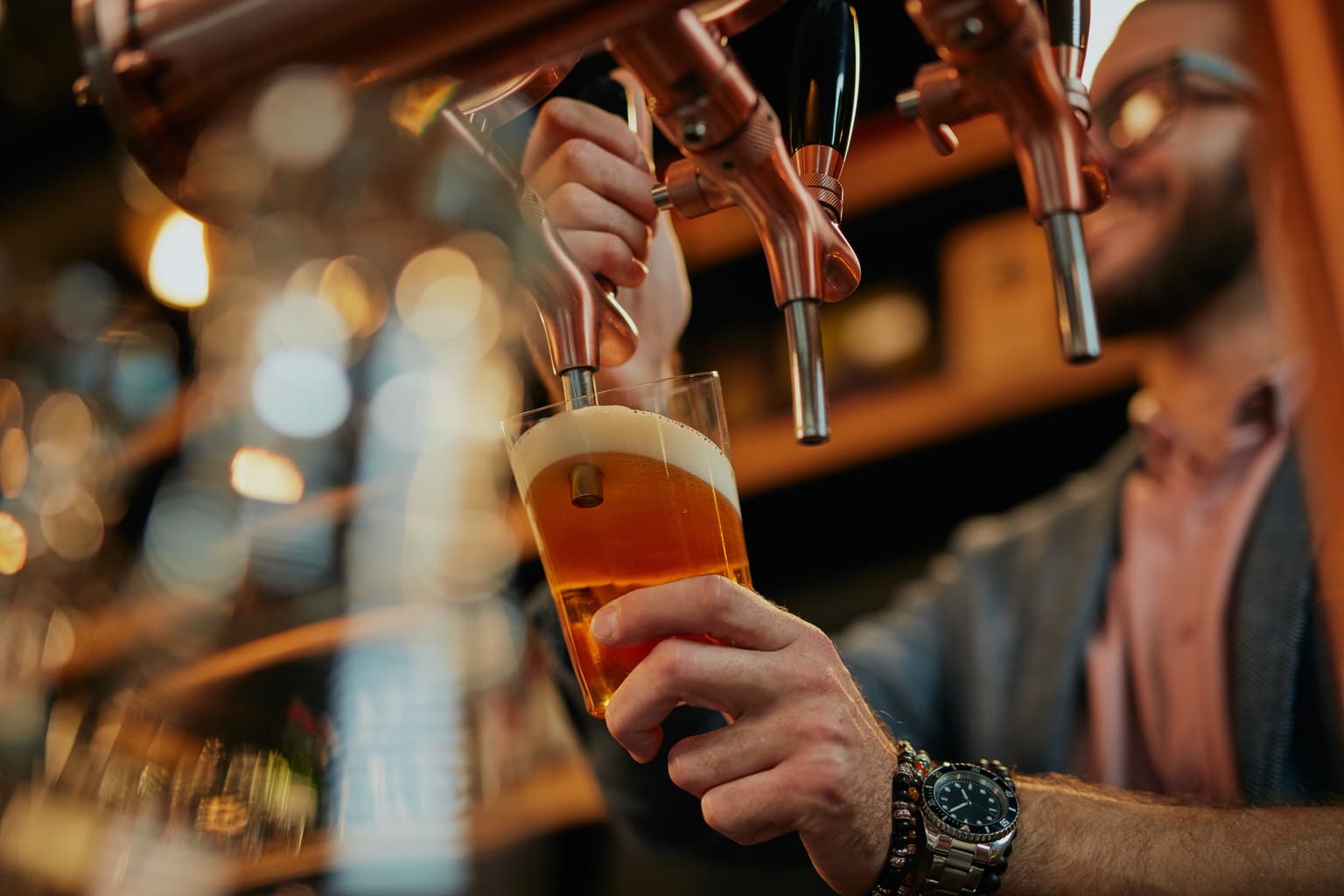
A new report shows a rapid decline in the number of pubs in Ireland, with 2,205 premises - or one in four - closing their doors since 2005.
The report, compiled by Economist and Associate Professor Emeritus at DCU, Anthony Foley, shows that an average of 110 pubs stopped trading every year over the last two decades.
All 26 counties in experienced declines in pub numbers over the 2005 to 2025 period.
The highest decrease was in Limerick (-37.2%), followed by Offaly (-34.1%) Cork (-32.7%), Roscommon (-32.3%), Tipperary (-32.0%), Laois (-30.6%), Longford (-30.1%) and Westmeath (-30.0%).
The lowest decrease was in Dublin with a drop of -1.1%, followed by Wicklow with a decrease of -9.5%. Meath had a decrease of 11.4% and all other counties saw a 13% or greater decrease.
The number of pubs which closed their doors last year was 86, up from 65 in 2024 but down from 117 in 2023.
The report was commissioned by the Drinks Industry Group of Ireland (DIGI) which has called for the Government to use the upcoming Budget to introduce an immediate 10% cut in excise, which currently stands as the second highest in the European Union.
Author Professor Tony Foley said: “It is likely that pub closures will continue in the absence of any change in Government policy. Even in the absence of additional significant economic shocks, an optimistic scenario would expect about 600 additional closures in the next decade from 2024. More pessimistic expectations would increase the closure level to 1,000.
“Over the past 20 years the Irish economy has grown substantially, including large employment, consumption and adult population increases, despite multiple economic shocks and geopolitical disruption.
“This growth should have supported the alcohol and public house sectors. However, both alcohol consumption and pub sales volumes declined substantially. The level of alcohol taxation is very high in Ireland, which alongside rising costs and changing consumer trends, reduces the commercial viability of public houses.”
DIGI secretary, Donall O’Keeffe says Ireland has seen a decimation in the number of pubs operating across Ireland.
"This has been particularly damaging to the social, economic and cultural life of rural Ireland. They are also a huge loss to our tourism offer. Without government intervention, this trend will continue and potentially accelerate," he said.
“We are calling for a 10% immediate cut in excise duty to give the remaining small, family-owned pubs a better chance of remaining viable. Current excise rates are simply unjust given Ireland’s continually falling rates of alcohol consumption, which ranks us among the EU average for levels of alcohol consumption.
“Our extremely high level of alcohol taxation in comparison to the rest of Europe is actively harming our sector and our customers who rely upon the public house as a hub of human connection. This is particularly true in rural settings where there is a greater risk of social isolation.”
The report was prepared using data from the register of alcohol licences compiled by the Revenue Commissioners and analysed by the Vintners Federation of Ireland to eliminate other licensed enterprises such as hotels.
Likewise, The number of nightclubs in Ireland have fallen almost 25% in the past five years, according to a new study from nightlife campaigners Give Us The Night.
Give Us The Night posted their latest figures on the number of “regularly active nightclubs in Ireland today”, revealing that just 83 remain open in 2025.
Those numbers have plummeted from 110 clubs open in 2019. Nine counties are now down to just one nightclub, while there are now no reported venues in Kilkenny – the only county without a single club.
Explore more on these topics:

Business
Business
Business
Business
Solicitors legal aid row escalates ahead of Monday walkout
Criminal defence walkout set to affect cases across Ireland Criminal cases across Ireland could face further disruption from Monday, with more than 100 solicitors preparing to step away from defence work amid an unresolved row over legal aid payments. The solicitors have written to the presidents of the District, Circuit and High Courts to notify […]
Business
3h
Homes evacuated after ‘pipe bomb’ explosion in Belfast
Police have asked the public to avoid the area A number of homes have been evacuated after an explosion at a property in north Belfast. The incident is reported to have happened in the Stanhope Street area of the city. It is believed that a pipe bomb exploded at a property in the neighbourhood. The […]
Business
5h
Business
Parents drinking harms one in six Irish children, AAI finds
Business