





Business

Share
Published 09:11 30 Sept 2026 BST
Updated 09:11 30 Sept 2026 BST
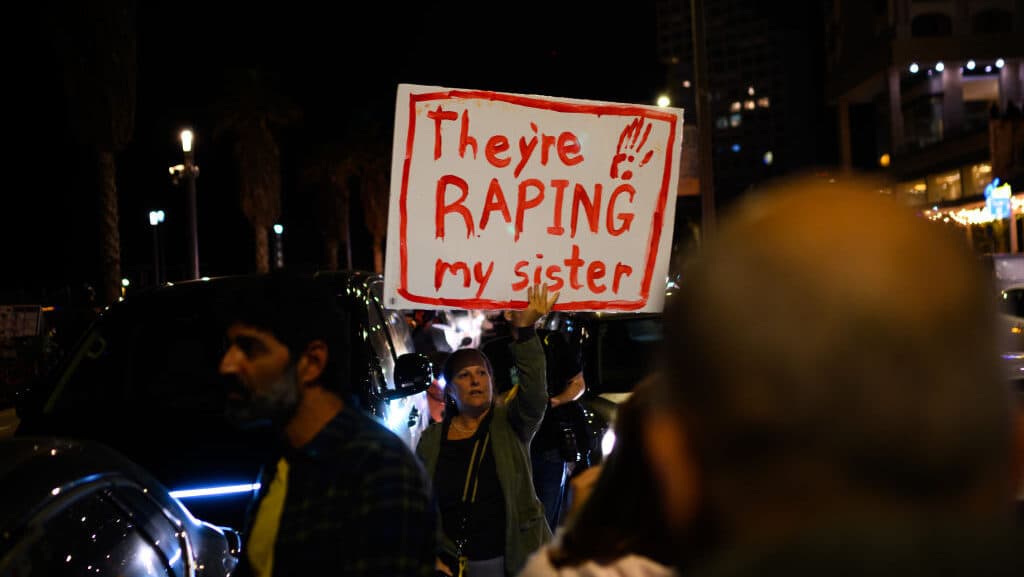
One in five adults (19%) believe there are ‘a lot’ of false rape allegations made in Ireland. Something that rape crisis centres say is a huge cause for concern.
Only 56% say they would believe someone who told them they had been raped while drunk or taking drugs, down from 60% last year.
Fewer than one in four (22%) believe victims of rape or sexual violence are treated fairly by the Irish justice system.
Fewer than half (43%) think Ireland is a country where victims can speak openly about what happened to them. Among women, that falls to 38%.
Attitudes with consequences
Among those who have experienced rape, only 17% reported it to the Gardaí, 22% sought medical treatment and 28% sought counselling or other support. Two in five (41%) told only a friend or family member, and almost one in five (19%) told no one at all.
Survivors of sexual violence identify fear of not being believed (79%), a lack of trust in support services (63%) and fear of stigma (62%) as the main barriers to reporting or accessing support.
Young men: a gulf in attitudes
Sceptical and victim-blaming attitudes are evident across the population, regardless of age or gender, at levels of 10% to 20%, but among men under 25 they are far more common.
Almost half of young men (48%) believe there are ‘a lot’ of false rape allegations, compared with 19% of adults overall.
A third say a rape should not be believed unless there is a guilty verdict in court (34%, vs 12% overall) or unless it has been reported to the Gardaí (31%, vs 12%).
Two in five (40%) believe rape and sexual violence are exaggerated by the media (vs 15% overall), and 14% say they would doubt someone who told them they had been raped while drunk.
Victim-blaming follows the same pattern. Overall, 15% of adults believe a person who is raped while under the influence of alcohol or drugs is at least partially responsible.
Among men under 25 this rises to 37%, and among women under 25 to 25%. By contrast, 88% of adults agree that a perpetrator who is under the influence should be held just as responsible as one who is not.
The widest gulf in the research is between young men and older women: 48% of men aged 18–24 believe there are many false rape allegations, compared with 8% of women aged 65 and over.
Young men are also less likely than adults overall to agree that society should do more to recognise rape and sexual violence perpetrated against men (71%, vs 85% overall) or that assumptions about masculinity discourage male survivors from reporting (67%, vs 84%), even though both views are held by the large majority of adults.
Prevalence
Sexual violence remains widespread.
Almost one in three adults (31%) say they have experienced some form of sexual violence, up from 28% in 2025, and 5% say they have experienced rape. Women are more than twice as likely as men to have experienced sexual violence (42% vs 20%), and more than three times as likely to have experienced sexual harassment (15% vs 4%).
Rachel Morrogh, CEO of Dublin Rape Crisis Centre, says survivors stay silent because they were afraid that they would not be believed.
“The findings on young men are the most striking in the research and underscore the need for engagement, engagement and leadership given that lasting attitudes are shaped early," she said.
"Although there is much to be concerned about, there is also real cause for hope in these figures.
"The vast majority want society to do more for male survivors. Most people would believe a survivor and want to help; what many lack is the confidence to know what to do next. Our message to anyone who is told about sexual violence is simple: believe them, and let them know that free, confidential support is available any time on the 24-hour National Rape Crisis Helpline, 1800 778888.”
Explore more on these topics:

Business
Business

Business
Business
Louis Walsh says Macklemore will ‘do well’ from Ed Sheeran tour fallout
The Mayo man said the drama will be ‘forgotten about next week’. Louis Walsh has said that Macklemore will ‘do well’ from the fallout surrounding his removal from Ed Sheeran’s Loop Tour due to pro-Palestine comments. Macklemore had been supporting Sheeran on the US leg of the tour before the pair reportedly reached what the […]
Business
15h
Gardai probe whether woman was pushed from balcony in Dublin
A woman is in a serious condition after she was found on the ground outside apartments on the Main Street of Belmayne. It is understood the woman, aged in her thirties, was in a first floor apartment when an alleged row occurred. Gardai confirmed this afternoon (Tuesday) that a man in his twenties has been arrested […]
Business
15h
Two people dead after workplace accident in Co.Offaly
Business