






Fitness & Health

Share
Published 10:12 9 May 2012 BST
Updated 14:29 12 Nov 2014 GMT
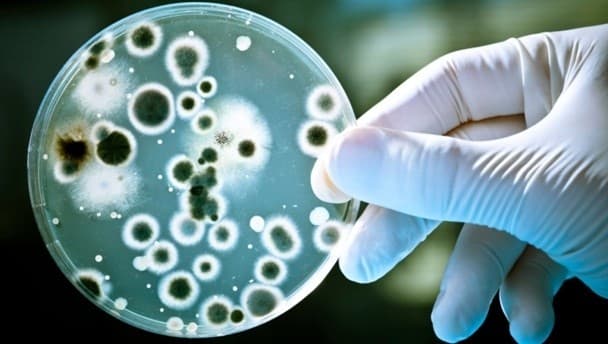
When we hear the word ‘cancer’ our minds immediately conjure up images of operations, a lengthy period of illness and the awful impact that chemotherapy has on the body, but did you know that a rising number of cancers are actually caused by bacterial infections?
This may not seem like any major news, but cancer which is caused by bacteria, a virus or a parasite can actually be treated and, possibly, cured. Yes, really.
The Irish Independent reports that bacteria and the like cause around two million cases of cancer in the world every single year. Of the 7.5million worldwide who died of cancer in 2008, data has revealed that over 1.5million of them died from potentially preventable or treatable infections.
Scientists who carried out an analysis of cancer cases in 2008 managed to calculate that around 16 per cent of all cancer diagnosis during that year were simply infection-related. This news could provide a new perspective when it comes to treating the disease in the present tense – meaning, doctors could identify cancer-causing infections and treat them quicker, thus giving the patient a better chance.
The scientists managed to identify some key cancer-causing infectious agents which included human papillomavirus (HPV), gastric bug Helicobacter pylori, and hepatitis B and C. These agents alone were responsible for 1.9 million cases of gastric, liver and cervical cancer around the globe.
When it comes to men, infection-related cancer is more likely to develop in the liver, stomach and colon. The only good news is that these cancers are more treatable than the average kind.
“Infections with certain viruses, bacteria, and parasites are one of the biggest and preventable causes of cancer worldwide,” wrote Dr Catherine de Martel and Dr Martyn Plummer in The Lancet Oncology Journal.
“Infections with certain viruses, bacteria, and parasites are one of the biggest and preventable causes of cancer worldwide…application of existing public-health methods for infection prevention, such as vaccination, safer injection practice, or antimicrobial treatments, could have a substantial effect on future burden of cancer worldwide,” they added.
Dr de Martel and Dr Plummer are from the International Agency for Research on Cancer in France, and are the lead authors of the study.
Speaking about the findings, Dr Goodarz Danaei from the Harvard School of Public Medicine said that there is “potential for preventive and therapeutic programmes in less developed countries” when it comes to the spread of cancer.
These findings could completely change the way that cancer is currently being dealt with in modern medicine.
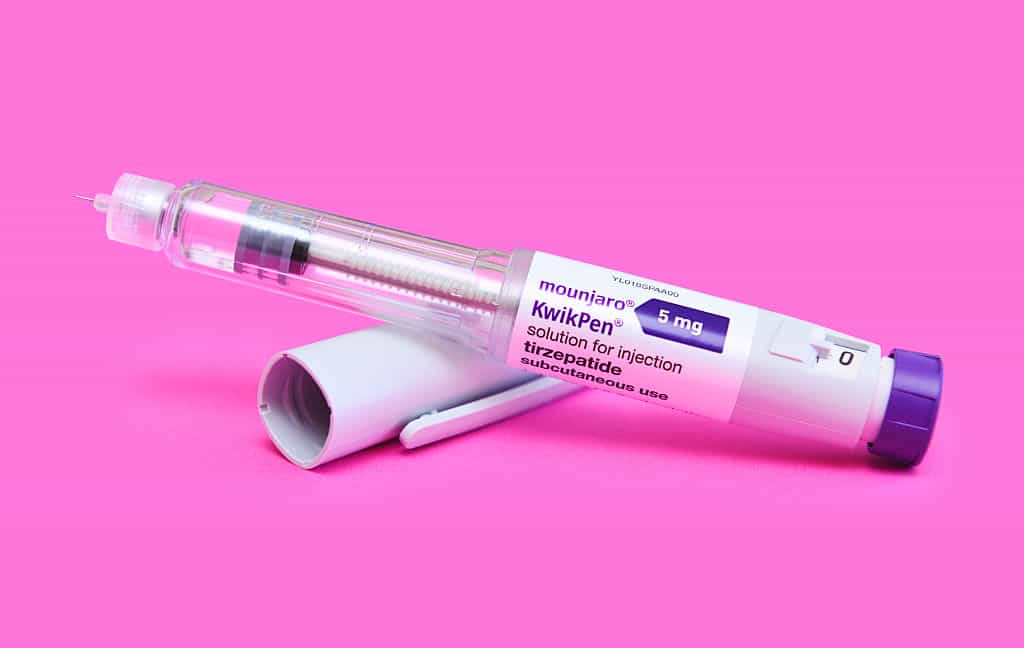
HSE considering weight-loss drugs for reimbursement process
Fitness & Health

Fitness & Health

Fitness & Health

Fitness & Health

Further calls to stop Ireland – Israel game in Wheelchair Basketball Championships
Calls are mounting for the Irish Wheelchair Association to cancel their game against Israel on Wednesday. The Irish Wheelchair Association (IWA) are due to play Israel in the Women B division European Championship on Wednesday this week, despite opposition to the game. First reported by JOE in August, it has since emerged the IWBF granted […]
Fitness & Health
1 week ago
You’ll laugh at this music video on erectile dysfunction – but its message could save your life
The secret to your heart health might be hiding in your pants It’s probably not the health advice you were expecting today. Erectile dysfunction isn’t always just about sex. In some cases, it can actually be one of the earliest signs of heart disease, and it can appear years before any other symptoms.1,2 That’s the message behind ‘Listen to Jordic‘, a new music video from […]
Fitness & Health
3 weeks ago
Fitness & Health

Fitness & Health
Cancer is on the rise among young people – here are the symptoms you need to look out for
Fitness & Health