




Fitness & Health

Share
Published 08:00 5 Oct 2011 BST
Updated 14:34 12 Nov 2014 GMT
Hi Ossi,
When running and sometimes when just walking around there is a loud clicking noise coming from my knee it occurs about 70% of my strides, after about 20mins of running it becomes weak and a sharp pain develops from inside the knee, have you any advice?
Regards
Tom
Hi Tom,
what comes to mind is the tracking of your kneecap - patella. It's a common complaint. It is associated with running. The patella is part of the quadriceps muscle at the front of your thigh - forgive me for being thorough and stating the obvious.
Quad means 4 - there are 4 muscle bellies. The one that tends to cause the trouble is the outside - vastus lateralis - muscle belly if it becomes tighter as a result of long runs. At the same time the inner - vastus medialis - muscle belly stops working properly, weakens and gets involved in knee extension and stabilisation with a delay allowing the patella to track laterally.
That causes contact betweeen the back of the patella with the lateral epicondyle of the femur which causes clicking, inflammation, pain and ultimately wearing of the cartiladge.
Short time remedy includes McConnell taping and stretching of the vastus lateralis of the quad. In the long term, you need to maintain flexibility of the vastus lateralis but more importantly the strength and quick response time of the VMO or vastus medialis of the quadriceps.
If the inflammation is severe, frictions of the lateral expansion of the patella are indicated. A Chartered Physiotherapist is perfectly placed to help you with all of the above - if my online diagnosis hits the mark.
Please contact me if I've got it wrong. Ossi.
Hey Ossi,
I'm just wondering what implications a potential discetomy may have to my rugby.
I'm going under the knife to relieve a herniated disc in my lower back which is touching a nerve, rendering my left leg to be basically useless. I've heard in terms of sports injury it is less serious than a cruite ligament, however...I've also heard that once you do your back it could be fecked for life. I hope it doesn't impact on my rugby as I'm only 21 with many years left i would have hoped.
Any info would be grateful,
Regards,
Andrew, Limerick
Hi Andrew. Similar to previous questions I find myself having to come up with an explanation/solution/advice in the absence of definite clinical details. That might turn out to be unsatisfactory for you.
I understand you're a young man who has and wants to play rugby. A strong back and - as Donal Lenihan's likes to say in his commentary - 'upper body strength' are vitally important. If you're saying your left leg is 'useless', does that include weakness or is it confined to pain?
You further mention a herniated disc. Is that a firm diagnosis based on an MRI or CT scan? All of the above suggest that you've consulted with health professionals. If surgery is contemplated, please go to a neurosurgeon.
A discectomy involves minor resection of vertebral material in order to access the disc material concerned. This will not mean significant structural weakening of the vertebrae. But it does not prevent re-occurence. Rehab will be lengthy too and requires conditioning of the deep intervertebral muscles, as well as external and deep abdominal and back core muscles.
Strength and stability are the foremost aims. Ultimately nerve pain is caused by contact between the nerve and another structure. The contact basically works like a shoe on a heel - causing friction, inflammation and blistering. The difference between the skin over your heel and the nerve is that nerve tissue is an impulse transmitting tissue, hence the greater intensity and referred pain somewhere down the leg.
What you need in order to get rid of your leg pain is space between the nerve and the contact structure. Once the space has been created, friction stops, inflammation dies down, creating even more space and the pain should subside completely. Some of this happens spontaneously over time.
Manual Therapy can help, good sitting posture and general backcare are supportive measures and medication - in particular non-steroidal anti-inflammatories - can also reduce the swelling. Time is definitely a factor. Yours is not an easy question to answer and whether you will have a long rugby playing career or not depends on your recovery.
I wish you luck. It will require patience, hard work and determination on your part and good support from a Chartered Physiotherapist and a Strength & Conditioning Coach. Ossi.
Ossi is a chartered physiotherapist. His practice is Brookfield Physiotherapy & Sports Injury Clinic, is located at Ardmanning Avenue, Togher Road, Cork. Tel: 021-4962268
To ask Ossi a question just send fire it off to [email protected] with 'Sports Injury Q&A' in the subject line, and he'll get back to you in the coming weeks.
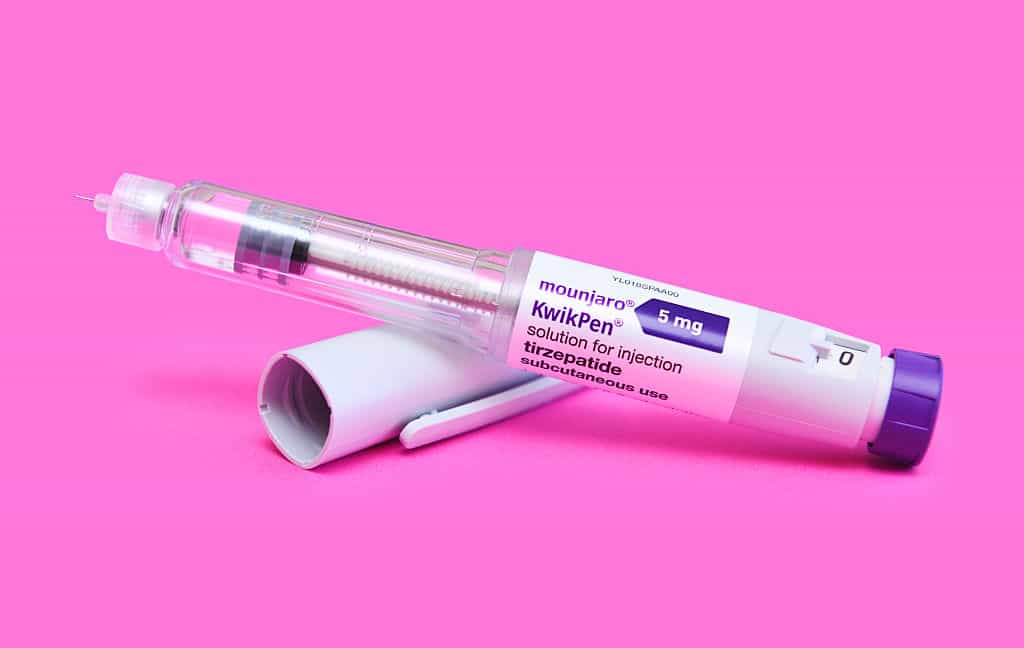
HSE considering weight-loss drugs for reimbursement process
Fitness & Health
Fitness & Health
Fitness & Health
Fitness & Health

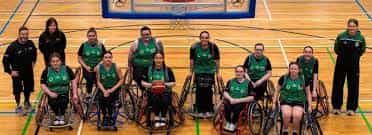
Further calls to stop Ireland – Israel game in Wheelchair Basketball Championships
Calls are mounting for the Irish Wheelchair Association to cancel their game against Israel on Wednesday. The Irish Wheelchair Association (IWA) are due to play Israel in the Women B division European Championship on Wednesday this week, despite opposition to the game. First reported by JOE in August, it has since emerged the IWBF granted […]
Fitness & Health
2 weeks ago
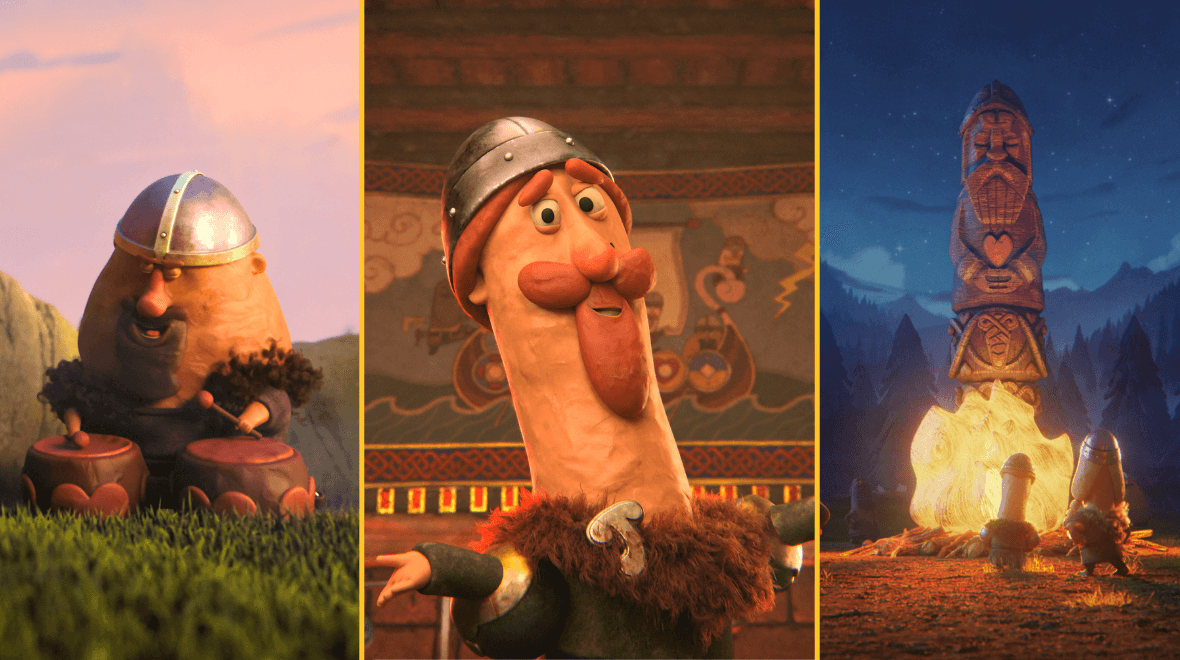
You’ll laugh at this music video on erectile dysfunction – but its message could save your life
The secret to your heart health might be hiding in your pants It’s probably not the health advice you were expecting today. Erectile dysfunction isn’t always just about sex. In some cases, it can actually be one of the earliest signs of heart disease, and it can appear years before any other symptoms.1,2 That’s the message behind ‘Listen to Jordic‘, a new music video from […]
Fitness & Health
1 month ago
Fitness & Health

Fitness & Health
Cancer is on the rise among young people – here are the symptoms you need to look out for
Fitness & Health