


Fitness & Health

Share
Published 12:28 21 Jul 2016 BST
Explore more on these topics:
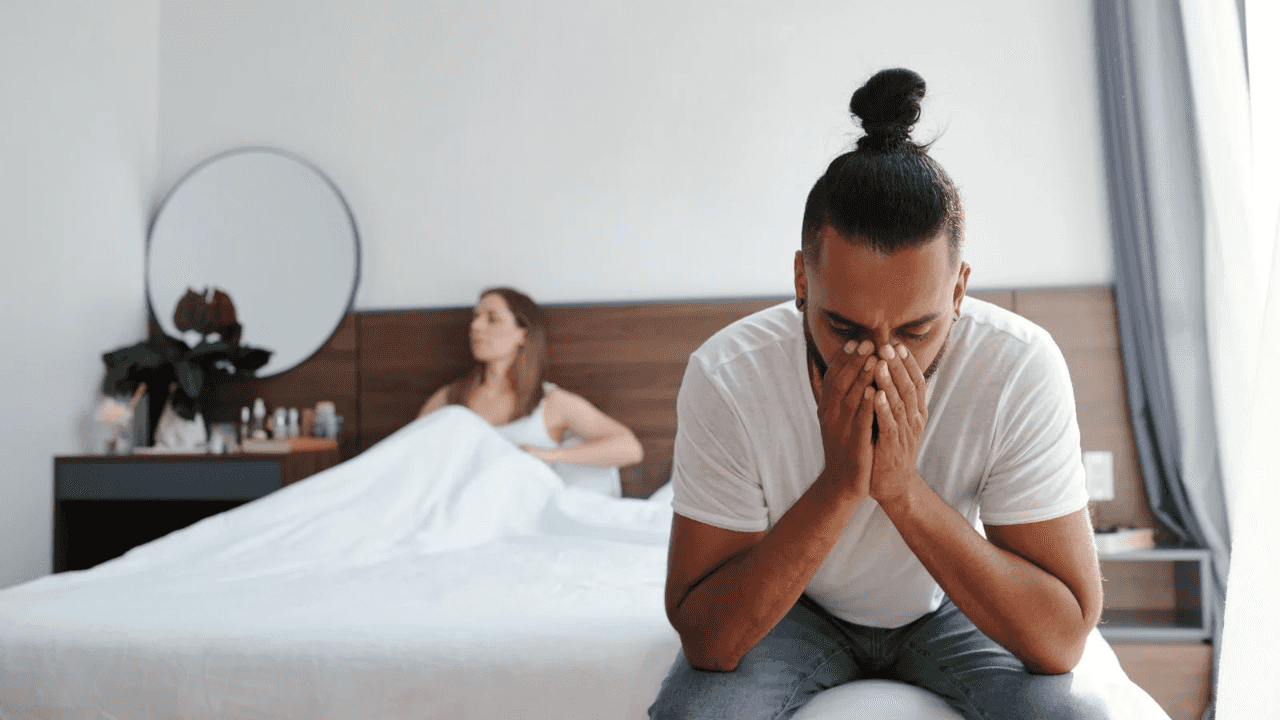
There is no cure for the virus and while 90% of HPV infections will clear within 24 months, the virus can remain in the body undetected for years. HPV is linked to cancer of the penis, anus, some head and neck cancers, cervix, vulva, vagina and genital warts.
Since 2010, free vaccinations against HPV have been available in the Republic of Ireland to girls aged 11-13; the vaccine is given at this age as it is most effective before exposure to sexual activity. The vaccine protects girls against developing cervical cancer and contracting genital warts.
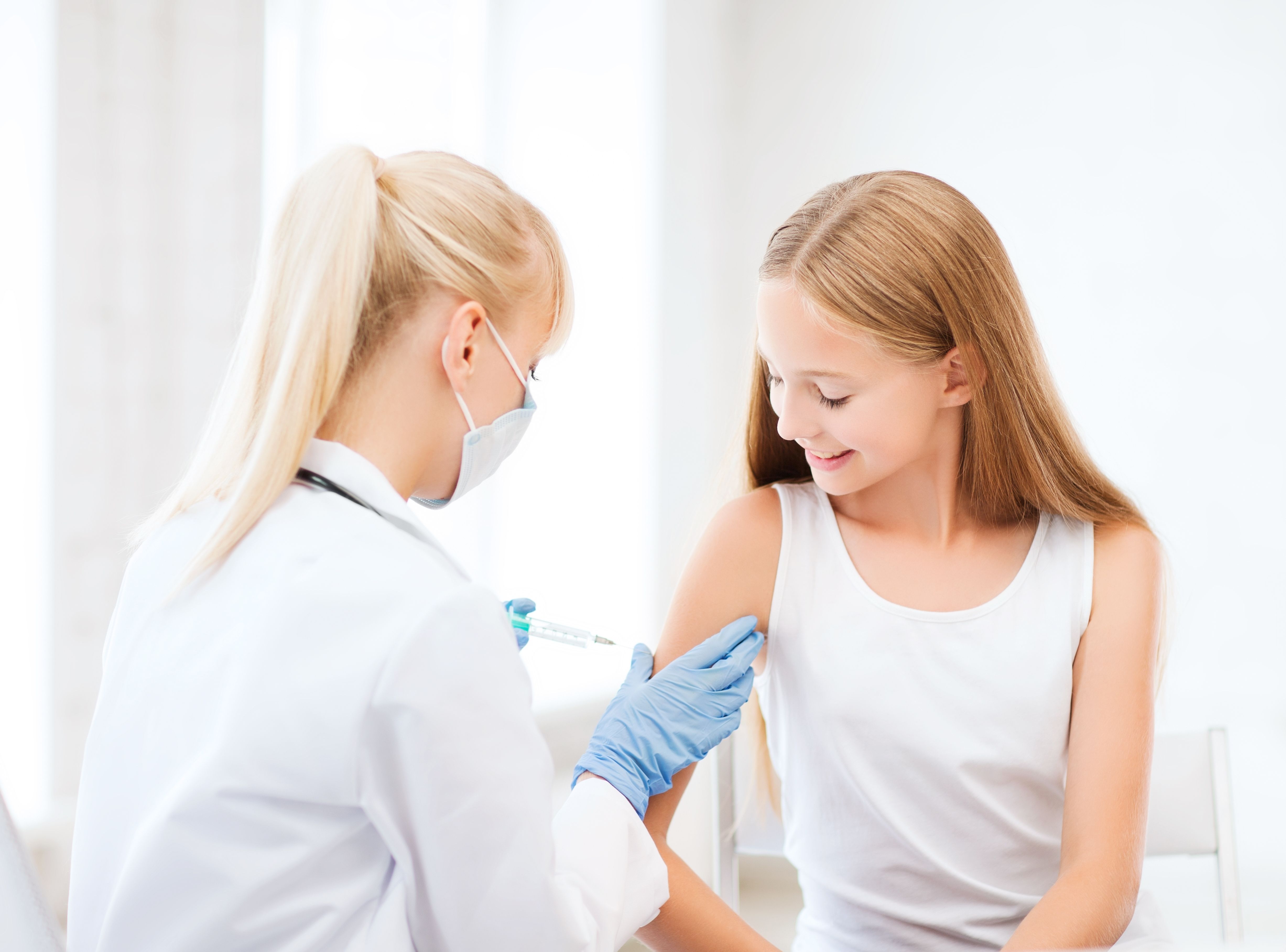
Currently in Ireland, boys are not protected against non-vaccinated girls or other unvaccinated men and they can easily spread the virus once they are carriers.
Professor Mark Lawler, chair of the centre for cancer research and cell biology in Queens University, believes that a universal HPV vaccine, for boys and girls, would have a ‘significant impact in reducing cancer'. By only immunising half of the population, Lawler says 'the government are refusing to see the potential long term health and economic benefits’.
Effectively, they are denying boys a life free from HPV, genital warts and exposing them to a higher risk of oral, anal and penile cancer.
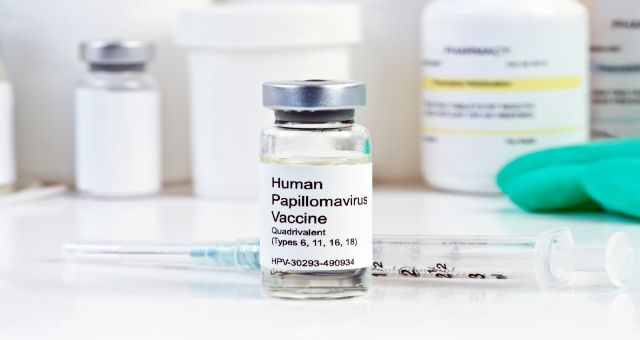
In Australia, where both boys and girls are given the vaccine, a 90% reduction in cases of genital warts in men and women has been reported since the implementation of the gender-neutral policy in 2006.
Because HPV related cancers take years to develop, the impact of the vaccine is not yet evident in Australia's statistics on cancer, but the dramatic decline in the symptoms of HPV being reported indicate a future decline in HPV related cancers.
The USA, two regions in Canada and Austria have since followed Australia's example.
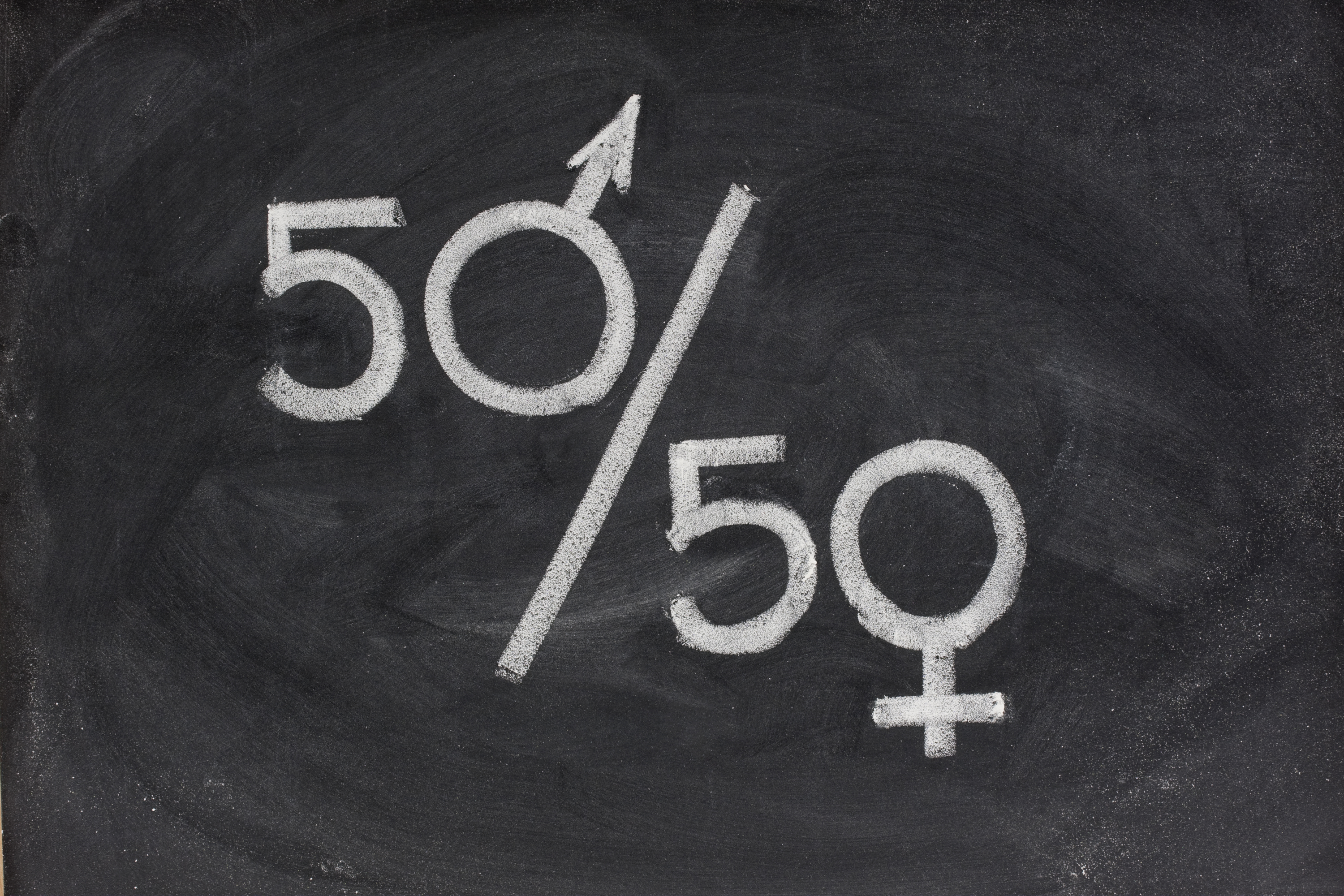
By providing the vaccine exclusively for women, the Irish system is discriminatory.
It discriminates against men who have sex with men as it means they will never be protected. It fails all of the people in the future who will contract cancer as a result of HPV and could have been protected by immunisation. And crucially our system of 'cost-effectiveness' ever furthers the gap of inequality between families who can afford to pay €600 euro for a private healthcare vaccination and those who can’t.
The HSE’s current guidelines on reducing the risk of HPV recommends changes in sexual behaviour including; ‘abstinence from sexual activity or lifelong monogamy. Reducing the number of sexual partners and the frequency of new partners will also reduce the risk’.
The HSE advises that condom use 'reduces but does not eliminate the risk of HPV’.
This policy is not sufficient, especially when the reality is that there are children now in Ireland who will unnecessarily contract HPV and carry its risks into adulthood because the government can't see the financial, health and human benefits of providing vaccinations for them.

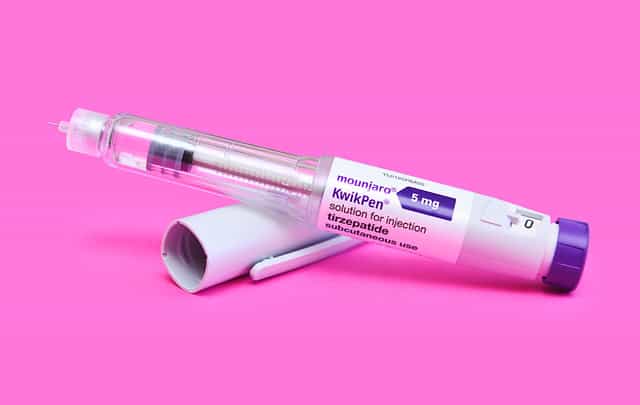
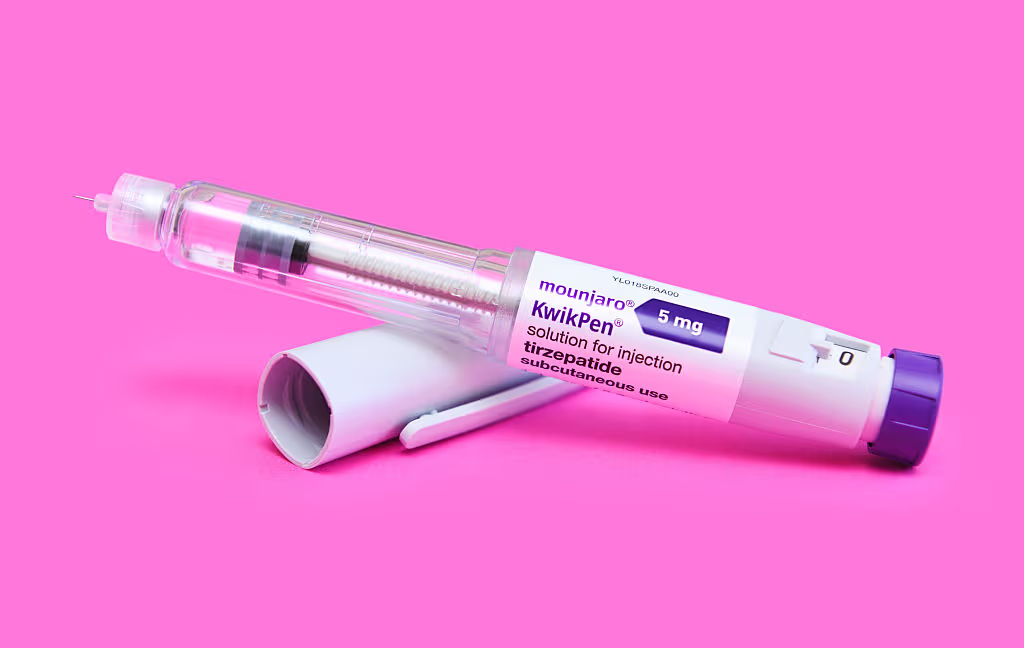
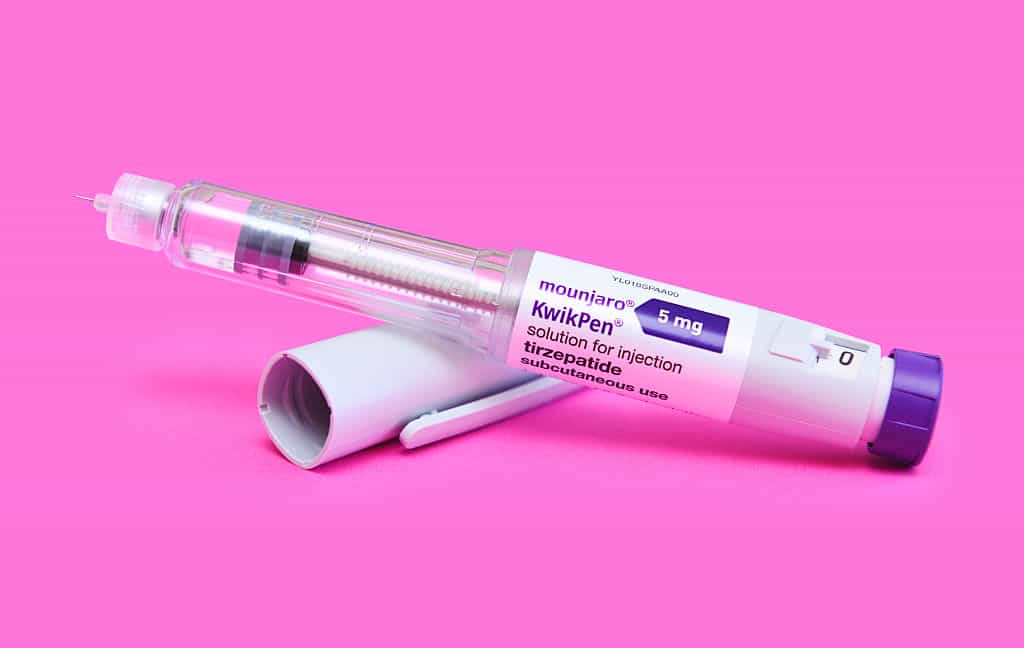
HSE considering weight-loss drugs for reimbursement process
Fitness & Health

Fitness & Health
Fitness & Health

Fitness & Health

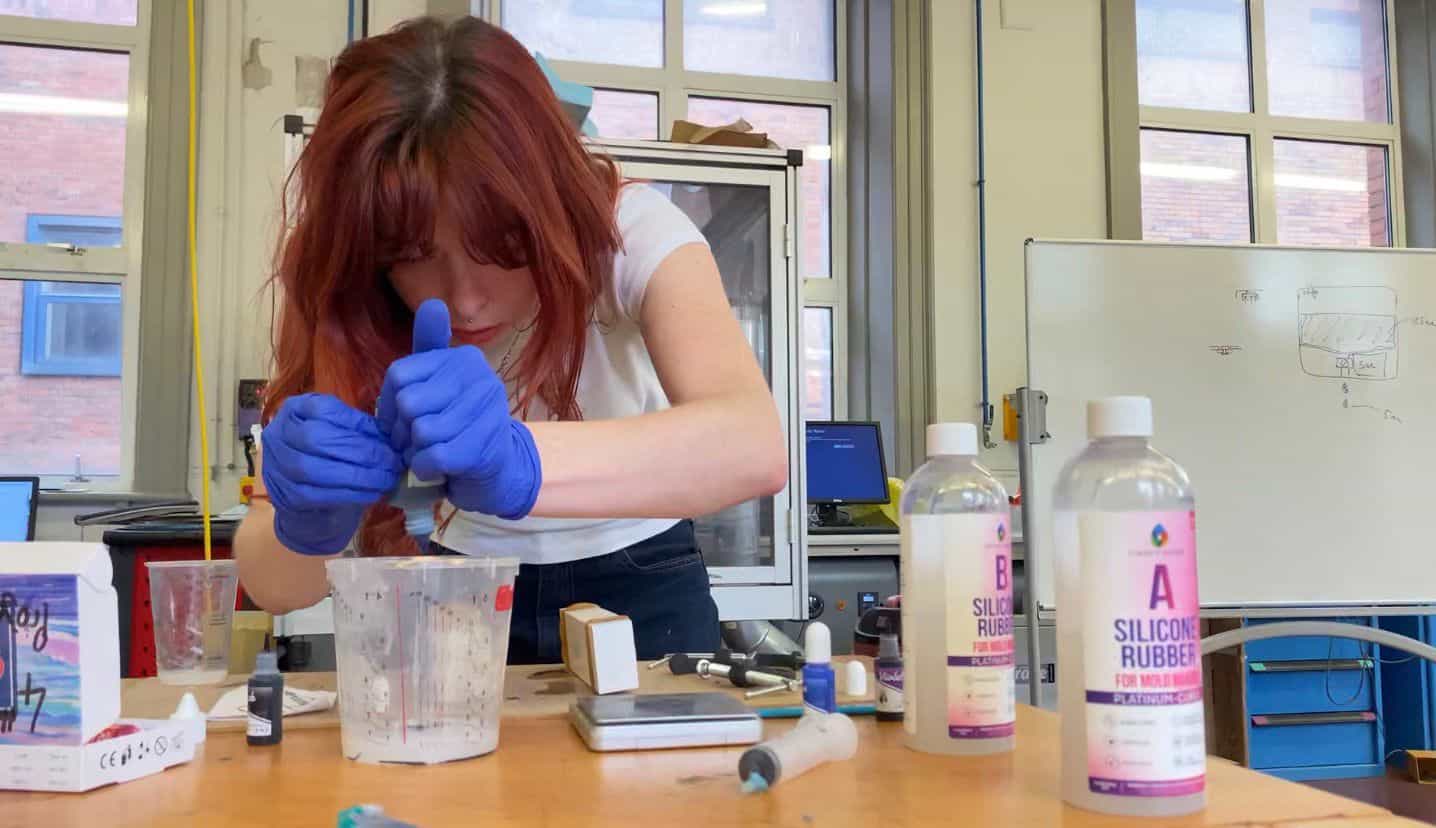
Ella Flanagan’s wristband invention shortlisted for Dyson Award
Wristband lets mental health nurses discreetly call for help An Irish student has made it into the final 20 of the James Dyson Award 2026 after designing a wristband that allows mental health nurses to discreetly call for help during potentially violent situations. Ella Flanagan, a product design student at TU Dublin, created Noli to […]
Fitness & Health
5 days ago
Further calls to stop Ireland – Israel game in Wheelchair Basketball Championships
Calls are mounting for the Irish Wheelchair Association to cancel their game against Israel on Wednesday. The Irish Wheelchair Association (IWA) are due to play Israel in the Women B division European Championship on Wednesday this week, despite opposition to the game. First reported by JOE in August, it has since emerged the IWBF granted […]
Fitness & Health
1 week ago
Fitness & Health
Fitness & Health