






News

Share
Published 16:59 14 Aug 2026 BST
Updated 16:59 14 Aug 2026 BST
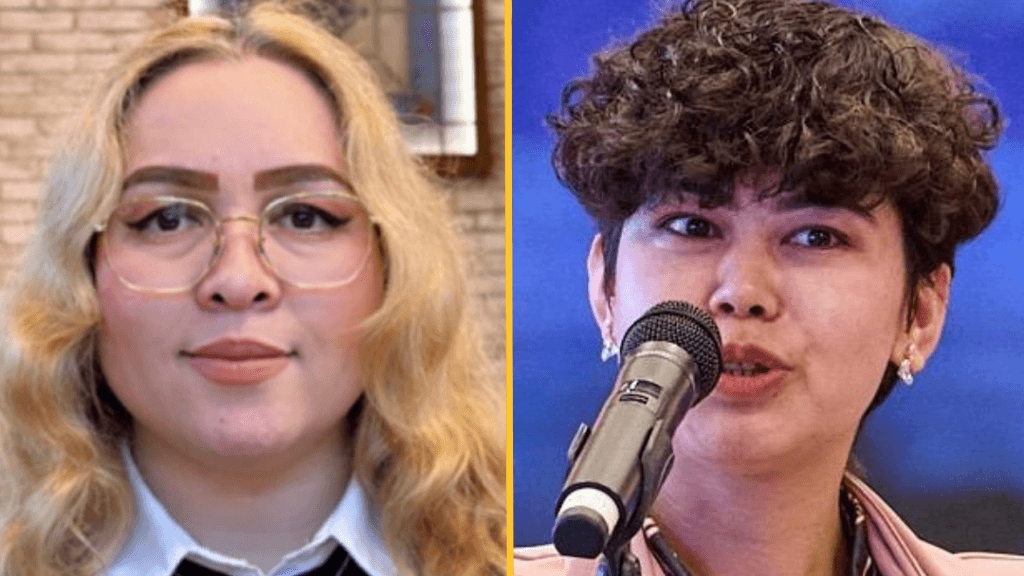
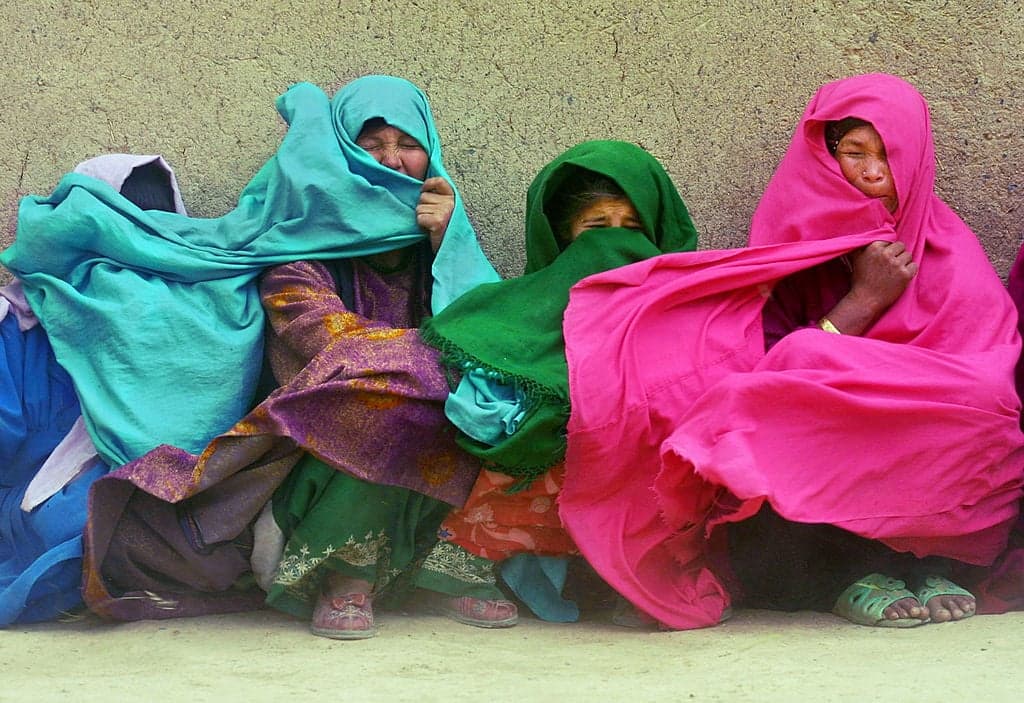
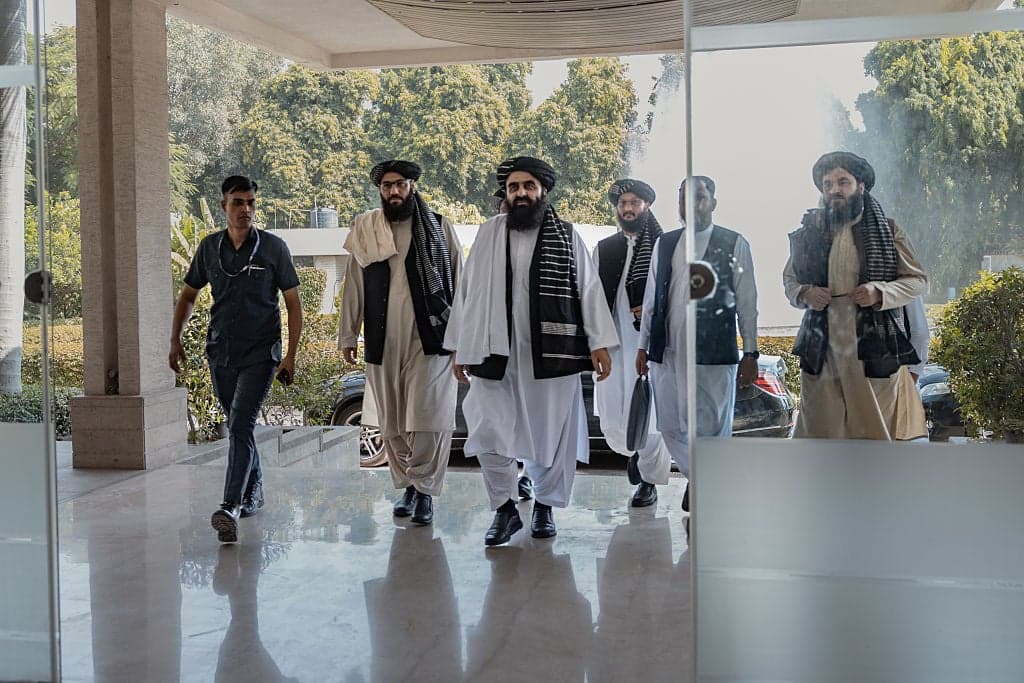
After taking power, the Taliban barred women and girls from secondary and higher education, restricted them from employment, freedom of expression, and movement outside their homes.
Half of Afghan women now leave their homes only once or twice a month according to the UN.
Hundreds of members of the former government’s security forces have been disappeared or faced extrajudicial killing.
Cut off from most foreign assistance, half the population has required food and medical assistance. More than 3.7 million children face acute malnutrition.
Women cannot choose to leave a marriage while men have unilateral right to divorce. The Taliban also implicitly permits child marriage.
Around 700 people from Afghanistan came to Ireland fleeing the Taliban under special visas, making a new life here.
Two women, who have lived in Ireland since they escaped, told JOE the Irish government must do more.
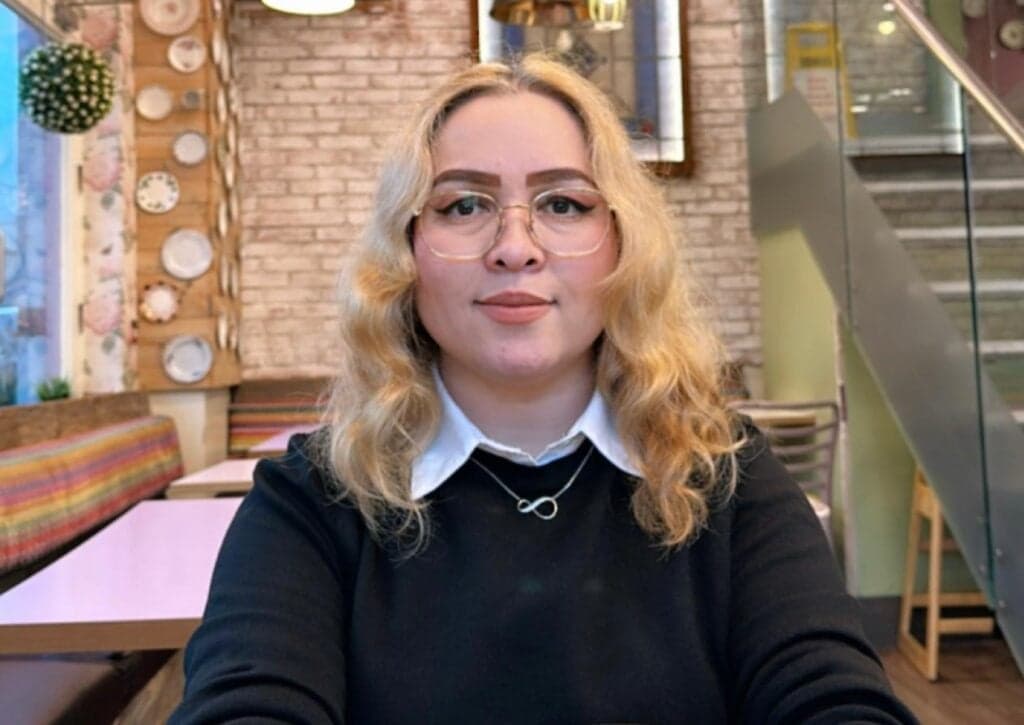
Solicitor Mahmooba Faiz, left in 2021, as both she and her husband were both human rights defenders working in human rights issues.
"We knew that if we stayed the Taliban would have arrested us," she told JOE.
"We fled the country a week after the collapse. We moved to Waterford for three years and now we're based in Cork.
"We had no other choice, the problem was all the routes were controlled by the Taliban, we waded through sewage water to get to different places and into the airport, it wasn’t easy journey at all. We are so happy that we eventually made it to Ireland."
Faiz's husband was contributing to some projects internationally and was able to secure visas for his family but thousands have not been so lucky.
"I have family still in Afghanistan, my friends, relatives, it is very heartbreaking to see nothing has changed. Women are looking for access to their most basic rights," she added.
Faiz says she is contacted everyday by hundreds of women in Afghanistan.
"I hear the saddest stories, how they have been excluded from public life, deprived from fundamental rights, school, basically speaking loudly in public or to each other," she said.
"I admire their courage and resilience. They not give up, they defy those rules, they’re trying to continue their life, and those restrictions."
Although life in Ireland is happy, there have been culture shocks.
"Our son is 12 and he sounds very Irish and has an accent now, he knows a lot of slang he teases us," she said.
"I tell my Irish colleagues and friends that Irish weather is growing on me, and we try to adapt to our new culture, and have respect.
"We have found Ireland very welcoming, the people over here are so generous and so caring, I’ve been in a law firm for nearly four years and my colleagues are extraordinary sharing their support, I am grateful."
There is very little hope that the Taliban will be removed soon, and Faiz says the international community must do more.
"Sometimes I lose hope, five years have passed and nothing has changed, the international community should pay attention and put pressure on the Taliban," she said.
"Condemnation is not sufficient, more pressure should be put on them.
"Ireland plays an important role in the eu, at international level, we would lie Ireland to step up.
"They are a terrorist group with no respect for human rights, there should be no normalising them."
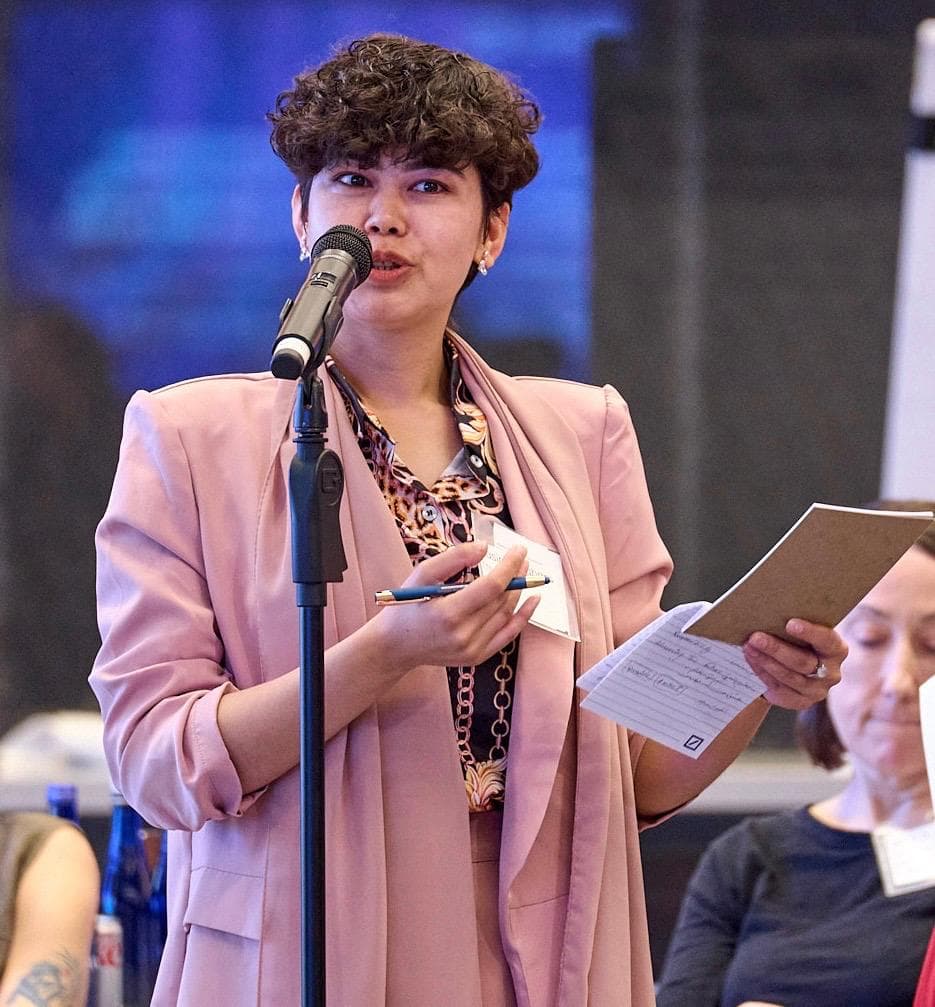
Basira Piagham, a 26 year-old LGBTQI+ advocate says she fell into a deep depression after her country came under Taliban rule.
"I ran away from Afghanistan," she said.
"At first I was staying in hotels for a few months thinking I could go back to Kabul but it didn’t change, it got worse.
"In October 2021, from Pakistan to Ireland, now I’m in Dublin.
"My parents, my siblings are all in Afghanistan, day by day it's getting very tough for women and LGBT people. Everyone's mental health everyone is suffering, men, women, kids.
"The physical violence, honor killings and femicide has increased."
Piagham says her sister called this week to say her classmate had been murdered by her husband who confessed to the Taliban to "kill him or arrest him".
"They said the best solution would be to marry again, for your kids. This is the solution for murdering your wife," she said.
Human rights organizations say the Taliban enforces an extreme interpretation of Sharia law where homosexuality carries the death penalty. There are currently no statistics on how many people have died.
"LGBT people live in fear," Piagham added.
"It's the worst place in the world for them, their parents would kill them for family honour.
"In every mosque you can hear them loudly talking about gay people and how they will be killed, they should be stoned in public to learn a lesson for others. Its really tough."
Piagham says she wishes she could go back to her home country and help but fears she may never get to.
"Afghanistan needs people to go back with our expertise, I did my degree in Afghanistan, I am working here to make Ireland a better place, but I would like to return," she said.
Explore more on these topics:


News

News

News
Pilot ‘may have tried to crash plane’ in possible terror attack, Israeli officials say
There were reports of blood and a knife. One of the pilots involved in the FlyDubai incident may have allegedly been trying to crash the plane in a possible terror attack, Israeli officials have claimed. A hijack alert was issued on Wednesday morning, forcing a Tel Aviv-bound flight to divert to Saudi Arabia after a […]
News
9h
Ruby Rose says she was ‘accused of murder’ at 15 when a child died
Ruby Rose opened up on a podcast this week. The Australian actor Ruby Rose says she was “accused of murder” after attending a party with her mother. She told the story on Kaitlyn Bristowe‘s “Off the Vine” podcast on Tuesday. She was at the event with friends when she discovered a four year old boy in […]
News
10h
News
Zuckerberg donates €150,000 to three GAA clubs near his Waterford castle
News