









News

Share
Published 11:39 18 Aug 2026 BST
Updated 11:39 18 Aug 2026 BST
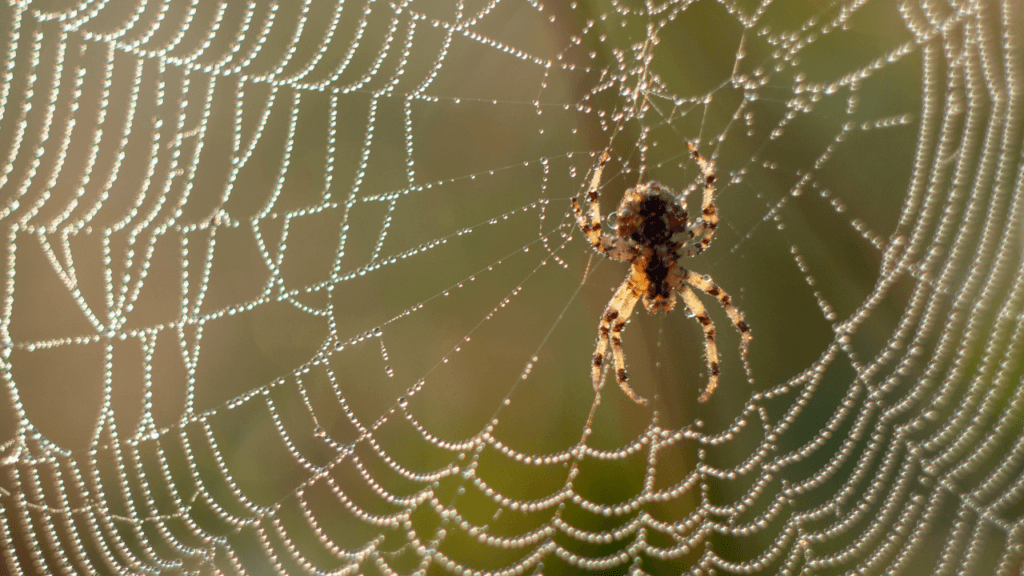
The hotter Irish summers are increasing the size and number of false widow spiders.
Google trends data searches for false widow spider bites have surged by 5,000% in the recent heatwave.
The hot weather is causing the species to get bigger.
Luke Newnes, garden expert at Hillarys explains warmer conditions can accelerate spider’s breeding and growth cycles, allowing them to populate faster.
“Unlike mammals, spiders are ectothermic, more commonly known as cold-blooded, meaning their growth, development and activity are heavily influenced by external temperatures,” he said.
“Heat speeds up their metabolism, allowing younger spiders to develop faster and adults to remain active for longer. When conditions are favourable, you can see more successful breeding, meaning local populations can build much more quickly than they would during cooler summers.
“One of the biggest misconceptions is that spiders are actively trying to get into homes through open windows. In reality, they usually find their way inside through tiny structural gaps around window frames, door frames and damaged seals. Making sure these areas are properly maintained is one of the simplest and most effective ways to reduce indoor spider activity.”
Despite the false widow‘s white bites remain uncommon and are similar to a wasp sting, concern has grown as they keep spreading across the country.
Luke Newnes shares six ways on how to keep the spiders outside:
Spiders can enter through window frames or gaps. Check those areas.
Regularly check and repair small cracks on doors, windows, garages, conservatories and porches
Overgrown plants climbing vegetation can provide shelter to spiders. Keep creepers trimmed to avoid them from climbing into your homes.
Piles of stored items and dark also provide shelter to spiders. Keep those areas clean to avoid them from nesting
As lights attract insects that spiders feed on, reduce unnecessary lighting near entry points when possible
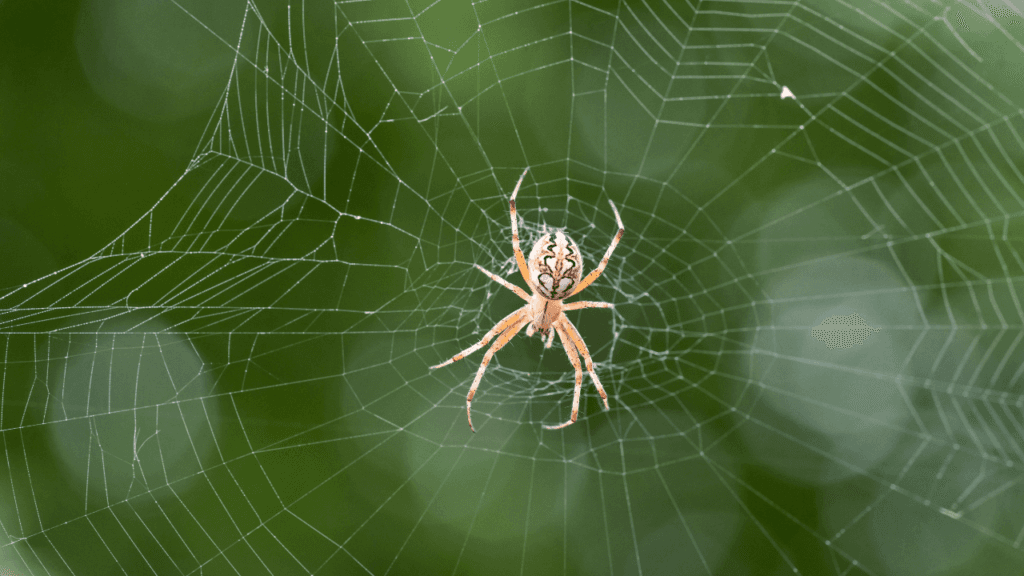
Regularly clean hiding spots and remove any spider spider webs you might find.


News

News

News

News
Man charged with murder over four year-old and his great aunt in Offaly
A 22-year-old man has been charged with the murder Tadgh Farrell and his grand aunt Mary Holt in a fire at a house in Edenderry. Michael Dunne, with an address in Co Kildare, has appeared before Tullamore District Court charged with two murders that shocked the country last year. A fire at Castleview Park, Edenderry […]
News
1h
IKEA launches second-hand marketplace as 93% of Irish adults say they shop second-hand
The platform allows customers to buy and sell pre-owned furniture. IKEA has launched a second-hand marketplace in Ireland as 93% of adults surveyed in Ireland said they shop second-hand. The platform will allow customers a convenient and free way to buy and sell pre-owned furniture directly with one another, for prices, on average, 60% cheaper […]
News
1h
Mary Lou McDonald moves ahead with RTÉ defamation case
News