




News

Share
Published 11:57 28 Sept 2026 BST
Updated 11:57 28 Sept 2026 BST
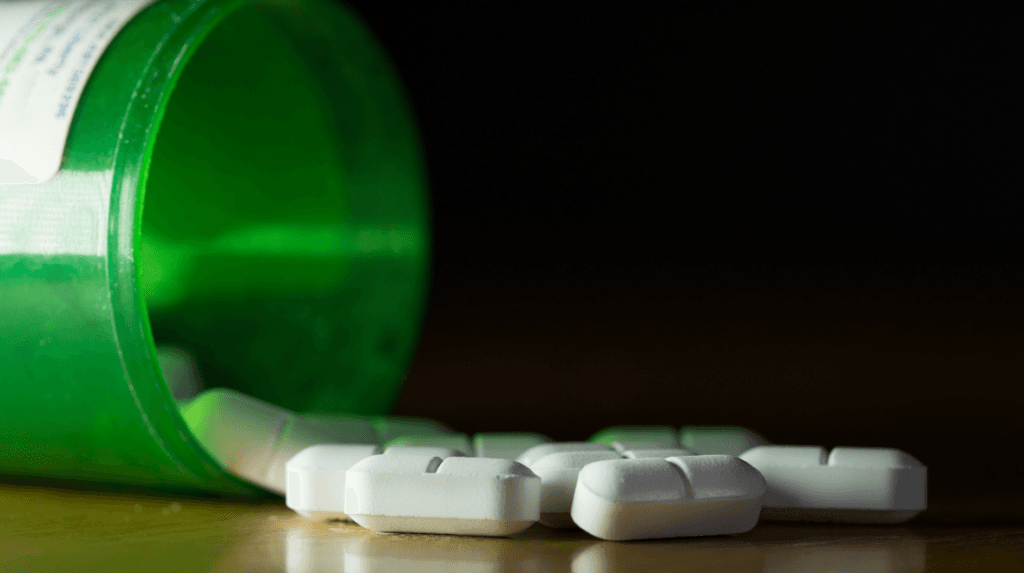
The number of opioid prescriptions under Ireland’s public drug schemes increased by 18% between 2018 and 2025, according to an RTÉ Investigates analysis of HSE data.
Across the seven years, 17 million opioid prescriptions were recorded under the General Medical Services (GMS), Long Term Illness and Drugs Payment schemes, costing the State €316 million, including €271 million through the GMS.
The analysis found that opioid consumption under the GMS rose by approximately 12%, from more than 15,400 Defined Daily Doses per 1,000 eligible patients in 2018 to just over 17,200 in 2025.
The figures vary significantly across the country, with Cork North Lee recording the highest average annual rate of opioid use, followed by Wexford and Cork South Lee.
Dublin South-West recorded the largest increase over the period, with use rising by 30%.
Prescription opioid use has come under increased scrutiny in the wake of the devastating opioid epidemic in the United States.
While Ireland has not experienced problems on the same scale, the rise in prescribing opioids has raised concern over the risks of dependence and long-term use.
The US crisis was closely associated with drugs such as OxyContin, a prolonged-release form of oxycodone.
Purdue Pharma, the company behind OxyContin, faced thousands of claims over the marketing and manufacture of its opioid products before entering bankruptcy proceedings in 2019.
Irish treatment data shows the issue is not confined to the US, with codeine recorded as the main problem in 1,589 drug-treatment cases here between 2018 and 2025, followed by tramadol (284) and oxycodone (145).
The HSE recommends limiting opioid prescriptions for acute non-cancer and post-operative pain to four days, while the Department of Health has identified prescription medicine misuse as a significant public health concern.
RTÉ Investigates spoke to a woman in her 40s, referred to as Sarah, who developed an addiction to OxyContin after being prescribed the drug for chronic pain following surgery.
Sarah said she was unaware of the risks and believed the drug was mainly used for cancer patients. She later became dependent, requiring increasing amounts to function, with her addiction severely affecting her health, work and family life.
She eventually sought treatment, underwent several detoxifications and began managing her pain through exercise and non-opioid approaches.
Now drug-free and in recovery for two years, Sarah is training to become an addiction counsellor.

News
News

News
News
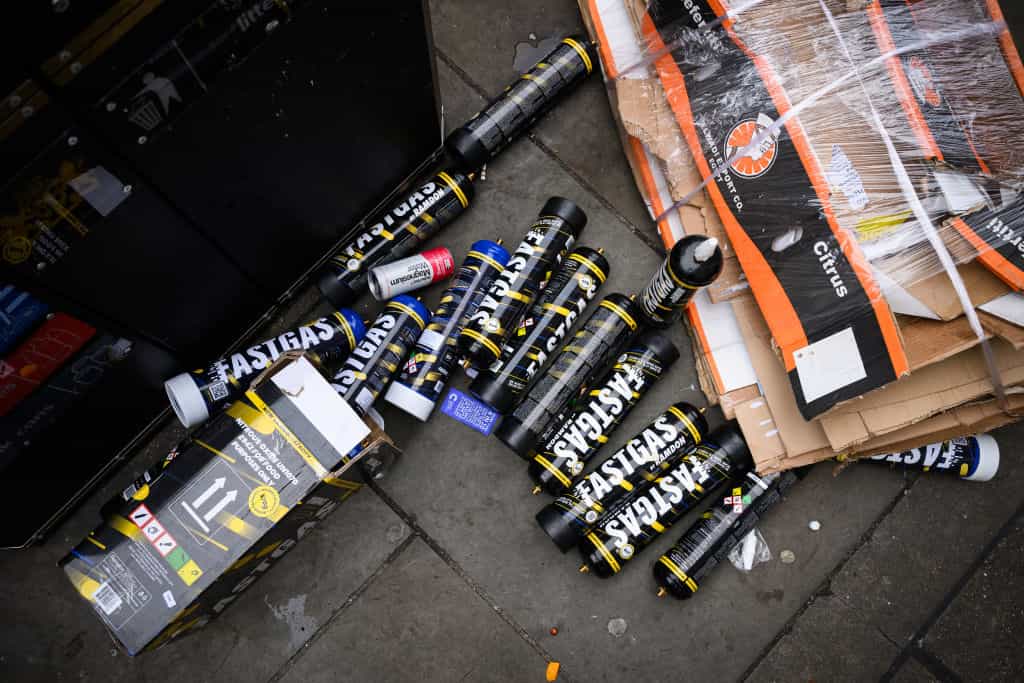
Laughing gas: Kids as young as 12 presenting with medical issues
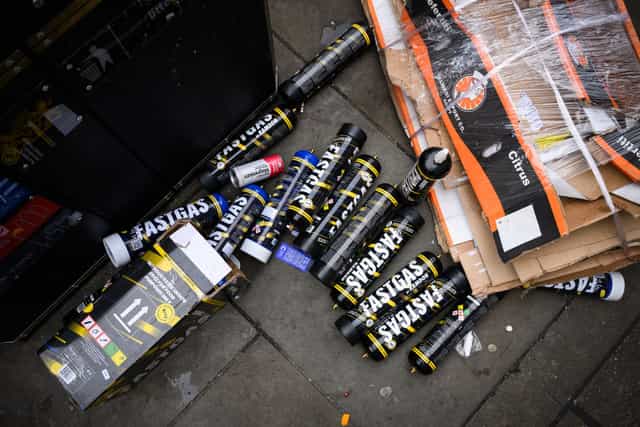
A total of 209 addiction treatment cases involving nitrous oxide use were recorded during four-year period. More than half of people treated for abuse of “laughing gas” nitrous oxide were under 18, but there is no treatment facility geared towards adolescents and the purchase is still legal in Ireland. Nitrous oxide has a number of […]
News
1h
Explainer: Everything you need to know about the Garvaghy Road standoff
The dispute that fuelled widespread unrest. A decades-old dispute over an Orange Order parade in Portadown has returned to the headlines, after a series of court rulings cleared the way for a restricted march along the Garvaghy Road. The road has been at the centre of some of the most serious clashes of the Troubles, […]
News
20h
“An affront to all that is decent,” Taoiseach takes aim at Israel at the UN.
News