






Politics

Share
Published 11:14 25 Oct 2026 GMT
Updated 11:14 25 Oct 2026 GMT
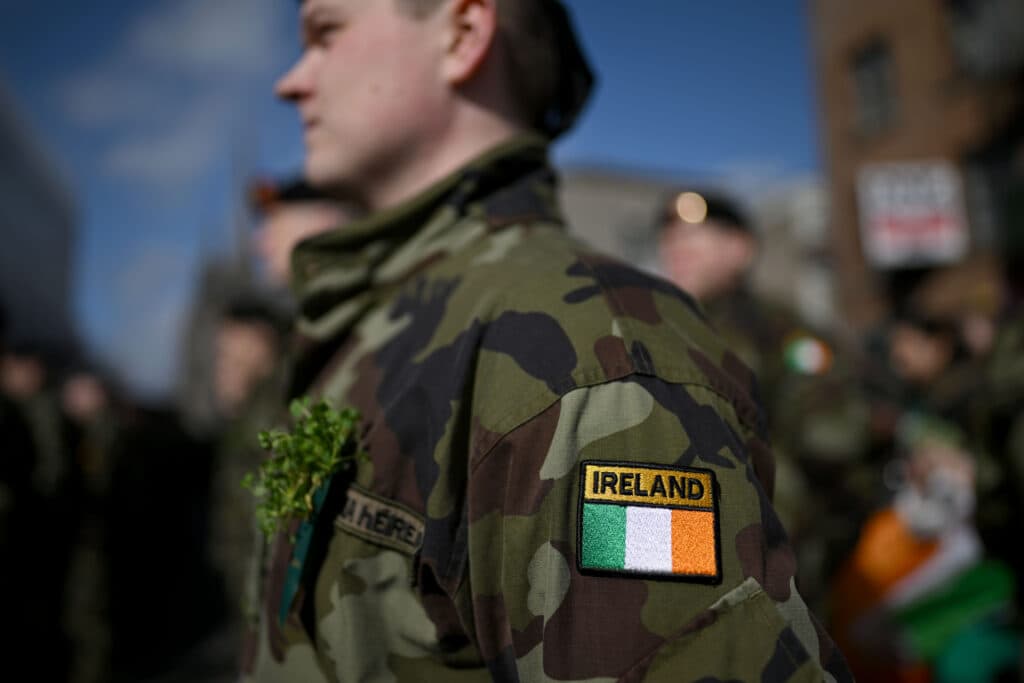
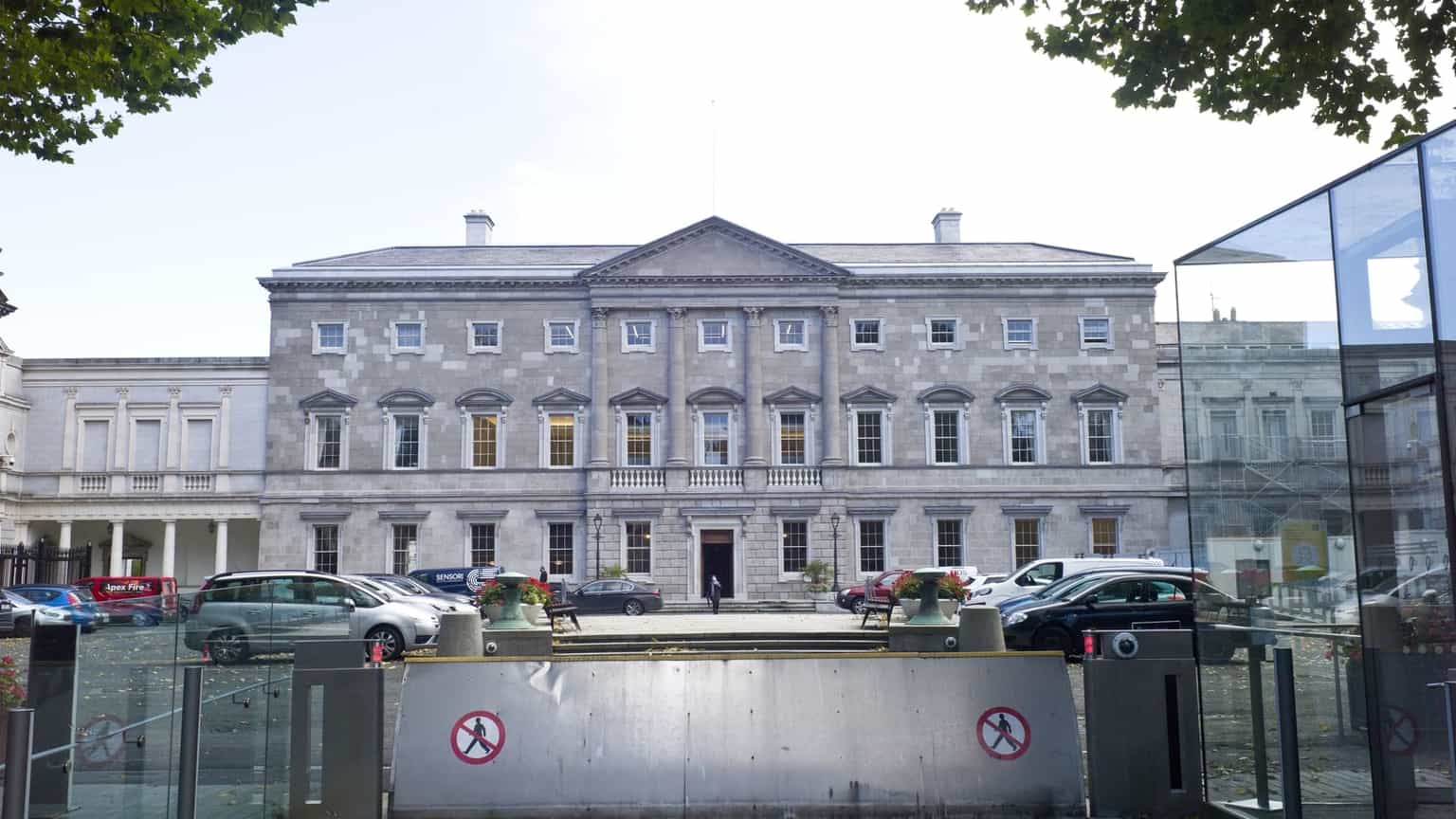
Ireland’s system for approving overseas troop deployments is facing a major overhaul after the Government’s proposed legislation passed its first vote in the Dáil, despite strong objections from the Opposition.
As reported by RTÉ, the bill would remove the need for United Nations approval before Ireland sends more than 12 troops on a peacekeeping mission abroad.
If the changes become law, decisions would rest with the Cabinet and the Dáil, rather than requiring all three approvals under the current triple lock.
The existing system was at the centre of a heated debate this week, with critics warning that removing the UN requirement could undermine Ireland’s neutrality.
The Government, however, says the present rules allow foreign powers to influence decisions about Irish soldiers.
Defence Minister Helen McEntee has been particularly critical of the veto held by the five permanent members of the UN Security Council: the United States, Russia, China, Britain and France. Any one of them can block a mission, even if Ireland wishes to participate.
McEntee said the Government “want to fix what is broken”, arguing that Ireland should determine where its troops serve without having to rely on decisions made by other countries.
She insisted those choices should be made by the Irish Government, “not with Vladimir Putin or anybody else”.
She also highlighted the decades-long deployment of Irish troops in Lebanon, who eventually had to leave following decisions made outside the State.
The Opposition has challenged the case for changing the rules, arguing that the UN’s involvement is a vital safeguard.
Supporters of the triple lock believe international approval helps ensure Irish troops are sent on legitimate peacekeeping missions and protects the country’s neutral status.
They have also raised concerns about the level of oversight the proposed system would provide.
The Government generally commands a majority in the Dáil, meaning parliamentary approval is likely to follow its position.
Under the current arrangements, UN authorisation provides an additional check independent of the Irish Government.
The legislation’s passage through its first Dáil vote does not mean the changes have been finalised.
The bill must still progress through further parliamentary stages, where it is expected to encounter continued resistance from Opposition TDs.
Explore more on these topics:

Politics
Politics

Politics
Politics
The BBC has given the world a masterclass in standing up to Trump’s bullying
Trump threatened the BBC with a $10 billion lawsuit. Now Trump is having to be ‘dragged kicking and screaming’ to testify. The BBC has seemingly called Donald Trump’s bluff in his defamation lawsuit against the broadcaster, as the president has backed out of a deposition. As part of the US president’s ludicrous $10bn claim against […]
Politics
5 days ago
Dozens of families in DePaul accommodation to be evicted three weeks before Christmas
Residents include a one week old baby and a woman receiving cancer treatment. Dozens of women and children in a Dublin inner-city homeless accommodation service are set to be evicted just before Christmas. 36 people live there in total. 15 children including a week-old baby. DePaul have known that the closure could happen and originally […]
Politics
5 days ago
How experts (and everyone else) reacted to Budget 2027
Politics