







Fitness & Health

Share
Published 15:30 3 Feb 2011 GMT
Updated 14:28 12 Nov 2014 GMT

This week, Johnny talks about the importance of nutrition and gives some simple, easy-to-follow advice about getting the best out of your diet.
“Your health account, your bank account, they're the same thing. The more you put in, the more you can take out. Exercise is king and nutrition is queen: together, you have a kingdom.”
The above quote is from a man known as Jack LaLanne, an exercise and nutritional expert who unfortunately passed away last week at the grand old age of 96. It may seem like a simple enough way of looking at exercise and nutrition but it certainly makes sense. Nutrition can be as complicated as you want it to be, but if you stick to the basics you’ll generally be fine. You don’t need to be as in-depth as you think. There are some fundamental nutrition tips and if you stick by them you’re on the right track. A book I found really good on the subject of nutrition was Food Rules by Michael Pollan, which has lots of good tips and you can fly through it in an hour or so.
It’s not that hard to find information about nutrition but like most things, there is some good advice and some bad advice to follow. I’m no dietician but here are some certain tips to follow that should get you on the right track.
Eat every 2-3 hours
You might say to yourself ‘There’s no way I can eat every 2-3 hours’ but it’s not going to be big meals you’re eating all the time; break it down into smaller, more manageable meals. The reason behind eating more regularly is because your body’s inclination is to store fat. If you’re just having two or three big meals a day, you’re probably thinking that you’re not getting that much food, but your body is storing calories that translates into body fat. By eating every 2-3 hours, your body is less inclined to store calories and it will drastically reduce your chances of storing up body fat as a result.
Eat the right foods
You want to get a good balance of protein, carbohydrates and healthy fats into your system.
Include lean protein in each meal if you can. You can get lean protein from eggs, chicken, low-fat dairy products and leaner cuts of meat. You want to have vegetables in each meal or snack as well. When you’re looking at your plate, the more colours that are on there the better, whether it’s orange with carrots or green with broccoli or whatever.
First things first, clear out all the junk in your house – after all if you don’t have it there you’re obviously less inclined to eat it.
The likes of sweet potatoes, brown rice and oatmeal are all sources of good carbohydrates and if possible try to have an emphasis on organic food - organic fruit and vegetables and free range eggs and meat. Organic food is great, but if it’s not organic that doesn’t mean it’s not good either, although some people would like you to think that way. There are plenty of good farms in Ireland that provide good products that aren’t necessarily organic but are still perfectly healthy.
Save carbohydrate-heavy meals for after exercise - these are meals that would have a lot of pasta, rice or potatoes in them. If you have them in the evening they tend to sit in your stomach, whereas you process carbohydrates a lot better in the hours after exercise.
Get a good breakfast
Make sure you get up and have a good breakfast. I know it’s always said but it really is the most important meal of the day. A good breakfast sets you up for the day; try and get some variety in there, try and get some meat into your breakfast, some eggs and maybe some ham, chicken or bacon into it at times as well.
90% - 10% rule
Calculate the meals you’re going to have a week and separate it on the basis that 90 per cent of the time you’re going to be eating well and then the other ten per cent of the time you can eat what you want. When I say eat what you want, I don’t mean going out and having, say, a whole pizza, followed by a slab of ice cream and a few crackers, make it within reason. Doing this breaks up the monotony a little bit and helps you keep your nutrition plan ticking over.
Clear out the junk
In terms of diet, make a plan of what you’re going to shop for, which is probably the most important thing in terms of a nutrition plan. First things first, clear out all the junk in your house – after all if you don’t have it there you’re obviously less inclined to eat it.

Get rid of all your junk. If it's not there, you won't eat it.
Go to the supermarket and have an idea in your head of what you need to get through the week – how many chicken fillets you’ll need, how many eggs, how many sources of carbohydrates etc. There’s no point, for example, getting six eggs when you had planned on having three eggs every day at breakfast. Try and avoid processed foods as well if you can at all. Sure, they can be convenient but there are a lot of preservatives in them as well that you should try and avoid. Also, avoid foods high in saturated fats - simple sugars and hydrogenated oils.
Exercise
As well as trying to eat right, you have to exercise as well. You can eat as many good foods as you want but if you don’t do any exercise you’re not going to make much progress. There are a load of health supplements that people recommend that you can take, like fat-loss supplements and people will just go ‘oh I’ll take them and I’ll be grand’ but a combination of eating well and exercise is the best way to go in the long run.
Set goals around what you want to do. Ask yourself ‘it going to be attainable?’ Be realistic as well and try to back up your goals with your actions. If you set yourself a goal that you’re going to lose ten pounds in ten weeks, ask yourself if your diet matches up to that goal? Does your training match up to that goal? If it doesn’t then you have to reassess what you want to do and try and make the progression more gradual.
Avoid eating late
It’s fine for me to say don’t eat late because I usually train in the morning and it’s easy for me to follow, but in general it’s a good idea not to be eating big meals or carbohydrates after six or seven in the evening unless you’re training. You have to eat after exercise and if you have a hard session in the evening you’re going to need some carbohydrates afterwards to replenish your glycogen levels. In that case, a bit of pasta with meat and some vegetables is fine. If you’re not training in the evening, try and keep yourself ticking over with healthy snacks like some fruit or a handful of nuts, but try and limit your intake of fats and carbohydrates as your body will store them and increase your body fat.
Avoid fad diets
Any kind of diet that says cut out carbohydrates, cut out fat or cut out protein is best avoided. You need a good balance in your diet – some good healthy fats and a good balance of carbohydrates and protein as well. They all work together; you can’t just take one out of your diet. For example, carbohydrates are one of the main sources of glycogen and one gram of glycogen holds 2.4 grams of water. Therefore when you cut out carbs initially you may have an accelerated weight loss but that may be just water.
But what happens the next time you start eating carbohydrates? Your body doesn’t know what to do with them because it hasn’t had them for so long. It can be difficult for your body to adjust to regular eating again once you’ve completed one of these fad diets.
Drink plenty of fluids
It’s important to drink plenty of water throughout the day. For example, try and have a pint of water in the morning after your breakfast and then keep continuously drinking water throughout the day to keep your body hydrated. Try and avoid fluids with too much sugar in them as well. Drinks like Powerade and Lucozade are fine to take before or during a training session, but you want to avoid drinking them with a snack or a meal because there can be a few tablespoons of sugar in them and if you’re not doing anything it just sits in your system and makes you tired, whereas if you’re exercising they get broken down straight away.
Don’t forget you can hear Johnny talking rugby in The Weekly Maul, JOE’s rugby podcast. To hear this week’s edition, click here.
Johnny O’Connor plays professional rugby with Connacht. He has previously played for London Wasps and has made 12 appearances for Ireland. He is also a certified strength and conditioning coach.

People are rushing to buy this walking pad on sale for just €85
Fitness & Health

Manosphere should be treated as public health problem – report
Fitness & Health

HSE considering weight-loss drugs for reimbursement process
Fitness & Health

Fitness & Health

Fitness & Health
Fitness & Health
Fitness & Health
Manosphere should be treated as public health problem – report
The “manosphere” phenomenon should be addressed as a public health problem with the harms it causes online tackled in a similar way to the tobacco industry, a new report has said. “Reframing the manosphere: a public health response to a commercial ecosystem,” was published in The Lancet medical journal this week. The most famous manosphere […]
Fitness & Health
3 days ago
HSE considering weight-loss drugs for reimbursement process
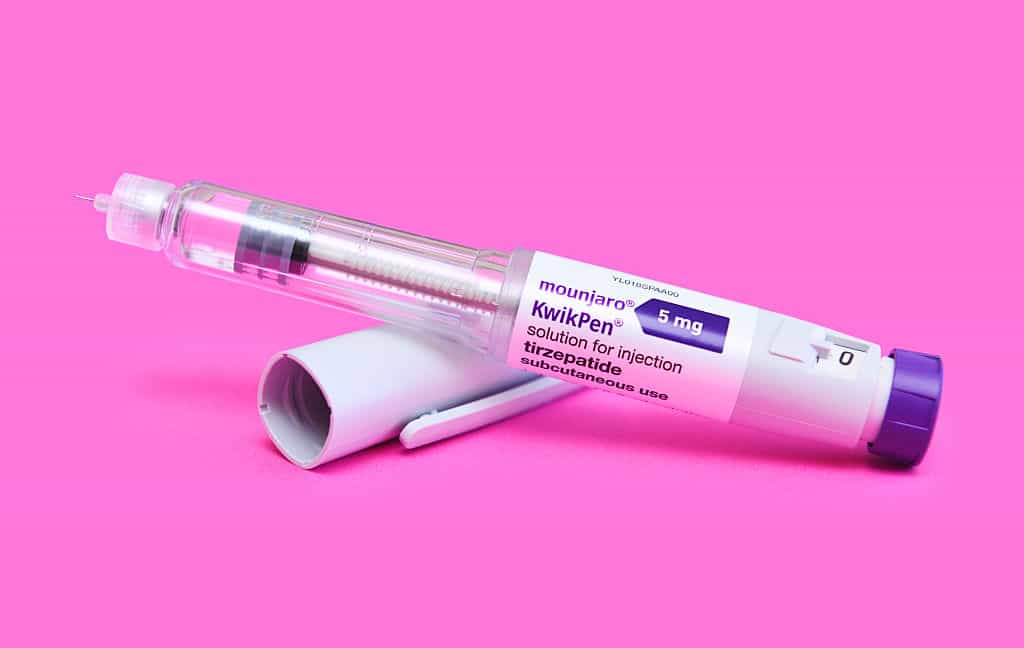
A number of applications have been made to the HSE to cover several weight-loss drugs, known as GLP-1s. The HSE is considering putting popular weight-loss drugs on their reimbursement process. The HSE Drugs Group met to consider the drug Mounjaro, but no recommendation has been yet made to the HSE Senior Leadership Team. The drug, […]
Fitness & Health
2 weeks ago

Fitness & Health
This is the perfect product to use if you suffer from stubborn body acne
Fitness & Health