





Gaming

Share
Published 10:00 28 Sept 2019 BST
Updated 17:44 27 Sept 2019 BST

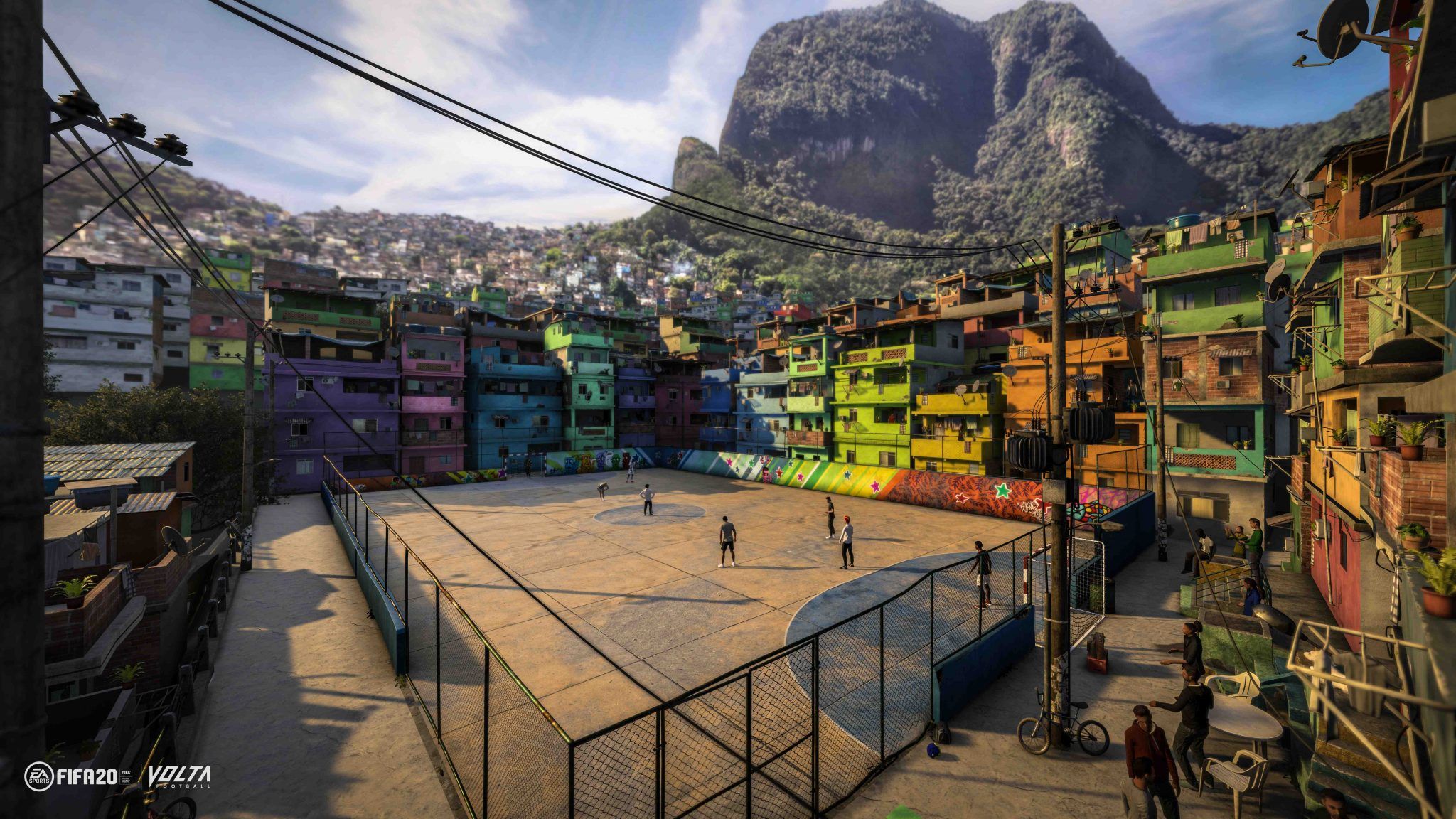 The narrative story mode has moved on from The Journey with Alex Hunter to the story of a streetball player named Revy. Putting up with his bickering team-mates and a seemingly never-ending series of setbacks, Revy puts his skills to the test until he's at the very top.
It doesn't pack the same punch that The Journey did, story wise, but the gameplay is definitely more enjoyable because it's BLOODY STREET FOOTBALL.
As well as the story mode, there is an online Volta League if you want to put your skills to the test against fellow players around the world.
But we reckon the most fun you'll have playing Volta is with your mates.
There are also further developments in the world of Ultimate Team, benefitting both the die-hard players and those who don't have the time to treat their Ultimate Team like a full-time job.
Daily rewards are still a thing, rewarding the Ultimate Team stans, but there has also been a conscious effort made to make the game's most popular mode appeal to the more casual player.
Seasons (playing against strangers online) has remained almost entirely untouched, in a case of 'if it ain't broke, don't fix it', as it remains the game's most no-nonsense format.
Career Mode has also been left to its own devices - barring a few minor changes - which could upset those who have found that this particular mode has grown stale.
And although the game has definitely evolved and improved from last year, it doesn't mean that it's without its flaws.
The gameplay still leaves quite a lot to be desired.
Developers attempted to fix a number of last year's problems, one of which being that defenders were far more likely to win the ball from an attacker in most situations.
This year they've tried to stack the odds in the favour of the attacker, which is obviously way more fun. We want goals. Loads of them.
As well as that, there has been an effort to create a system where the defending is far less automated, so the player has more to do themselves.
You have to time your tackles better, which does make defending more difficult as a result, but adds to the game overall.
But it still has a tendency to feel far too unrealistic.
We're not saying that we want the game to be exactly like Premier League football, but when you have small things like players refusing to make an obvious run, or goalkeepers watching a ball slowly trickle over the line, it can start to feel quite frustrating.
Set-pieces also faced a massive overhaul this year.
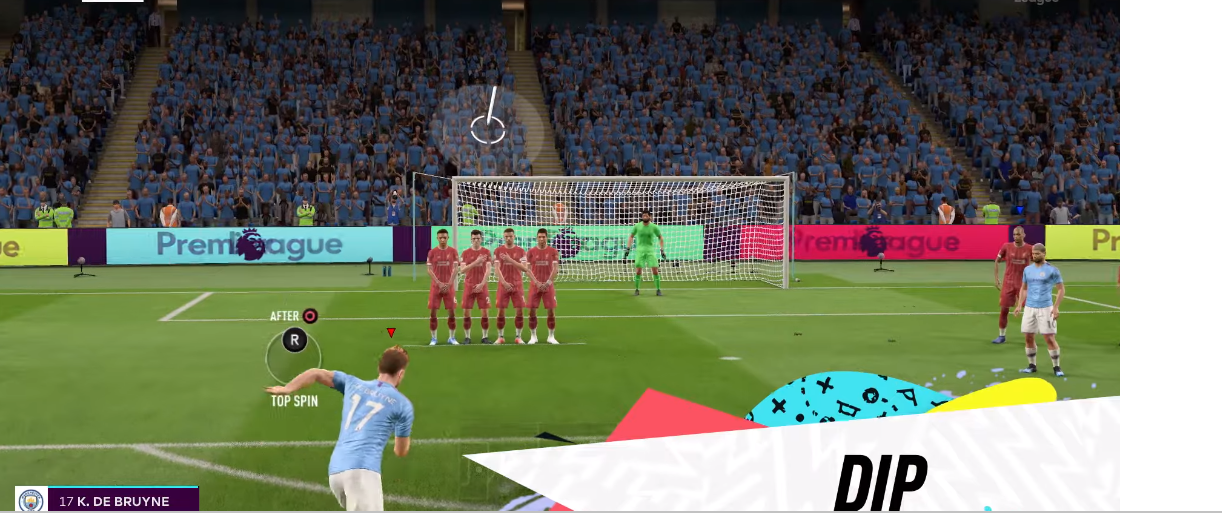
Free-kicks are completely different, with players able to put a number of different types of spin on the ball now. It's not as easy to score a free-kick, but that's probably a good thing.
And when it pays off, it feels so good. Like you've earned it. And really, how many of us are scoring free-kicks in real life?
The narrative story mode has moved on from The Journey with Alex Hunter to the story of a streetball player named Revy. Putting up with his bickering team-mates and a seemingly never-ending series of setbacks, Revy puts his skills to the test until he's at the very top.
It doesn't pack the same punch that The Journey did, story wise, but the gameplay is definitely more enjoyable because it's BLOODY STREET FOOTBALL.
As well as the story mode, there is an online Volta League if you want to put your skills to the test against fellow players around the world.
But we reckon the most fun you'll have playing Volta is with your mates.
There are also further developments in the world of Ultimate Team, benefitting both the die-hard players and those who don't have the time to treat their Ultimate Team like a full-time job.
Daily rewards are still a thing, rewarding the Ultimate Team stans, but there has also been a conscious effort made to make the game's most popular mode appeal to the more casual player.
Seasons (playing against strangers online) has remained almost entirely untouched, in a case of 'if it ain't broke, don't fix it', as it remains the game's most no-nonsense format.
Career Mode has also been left to its own devices - barring a few minor changes - which could upset those who have found that this particular mode has grown stale.
And although the game has definitely evolved and improved from last year, it doesn't mean that it's without its flaws.
The gameplay still leaves quite a lot to be desired.
Developers attempted to fix a number of last year's problems, one of which being that defenders were far more likely to win the ball from an attacker in most situations.
This year they've tried to stack the odds in the favour of the attacker, which is obviously way more fun. We want goals. Loads of them.
As well as that, there has been an effort to create a system where the defending is far less automated, so the player has more to do themselves.
You have to time your tackles better, which does make defending more difficult as a result, but adds to the game overall.
But it still has a tendency to feel far too unrealistic.
We're not saying that we want the game to be exactly like Premier League football, but when you have small things like players refusing to make an obvious run, or goalkeepers watching a ball slowly trickle over the line, it can start to feel quite frustrating.
Set-pieces also faced a massive overhaul this year.
Free-kicks are completely different, with players able to put a number of different types of spin on the ball now. It's not as easy to score a free-kick, but that's probably a good thing.
And when it pays off, it feels so good. Like you've earned it. And really, how many of us are scoring free-kicks in real life?
 It also feels a little bit lazy that changes made to goal kicks in the professional game aren't reflected here. It's obviously not a major issue, but it seems like something that, however small, would have once again added to the realism.
The change was only announced at the start of the summer, but there was still plenty of time for the good folk at EA to have incorporated it into the game.
All in all, FIFA 20 is a fun game. You'll love playing Volta, and the fact that it is attempting to make changes off the back of fan feedback is a good thing.
They may not have hit the nail on the head just yet and we do expect many complaints about something or another, but that's to be expected with such a behemoth of a video game and one played by so many the world over.
If you take FIFA 20 for what it is - a video game doing its best to replicate real-life football, while still making it fun - the game does its job, and it does it better than anyone else.
It also feels a little bit lazy that changes made to goal kicks in the professional game aren't reflected here. It's obviously not a major issue, but it seems like something that, however small, would have once again added to the realism.
The change was only announced at the start of the summer, but there was still plenty of time for the good folk at EA to have incorporated it into the game.
All in all, FIFA 20 is a fun game. You'll love playing Volta, and the fact that it is attempting to make changes off the back of fan feedback is a good thing.
They may not have hit the nail on the head just yet and we do expect many complaints about something or another, but that's to be expected with such a behemoth of a video game and one played by so many the world over.
If you take FIFA 20 for what it is - a video game doing its best to replicate real-life football, while still making it fun - the game does its job, and it does it better than anyone else.Explore more on these topics:

Gaming

Gaming

Gaming

Gaming

Gaming

Gaming


