Share
Inside the Palestinian town where children are finding an escape through GAA
Published 14:42 22 Sept 2026 BST
Updated 14:43 22 Sept 2026 BST
Homeinternational
Gaelic Football in Qabatiya: Notes from a Protective Presence Volunteer by Matthew Mulcahy
Located just six kilometres southwest of the historic city of Jenin, stands Qabatiya, a modest
town of approximately 30,000 people.
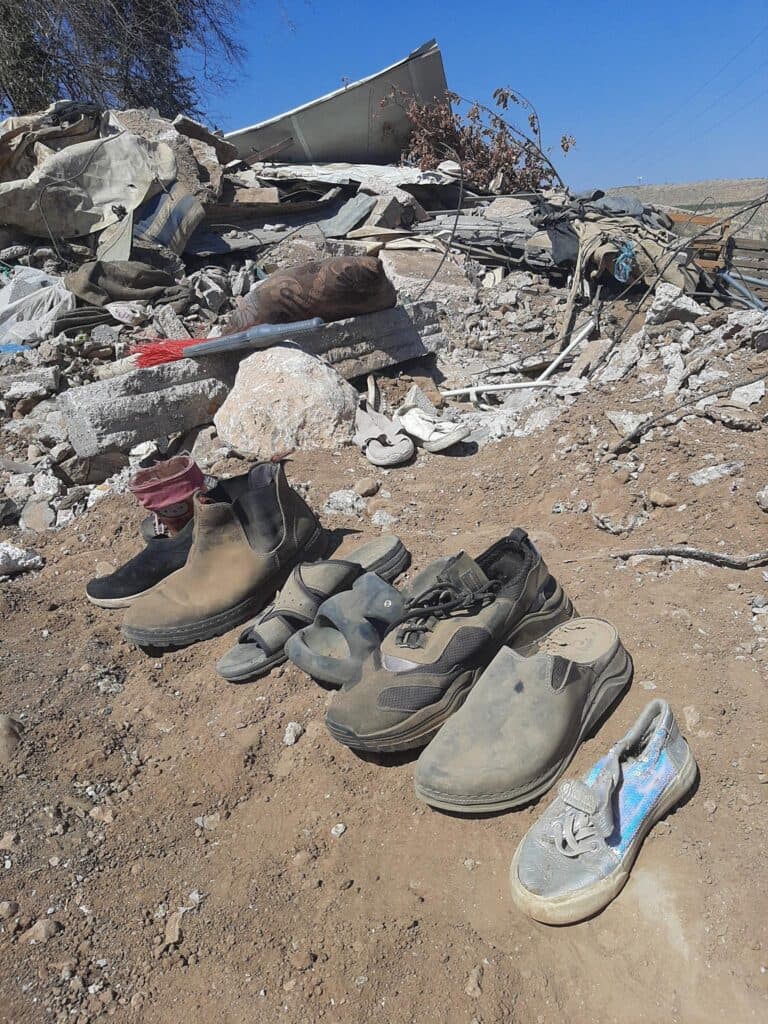
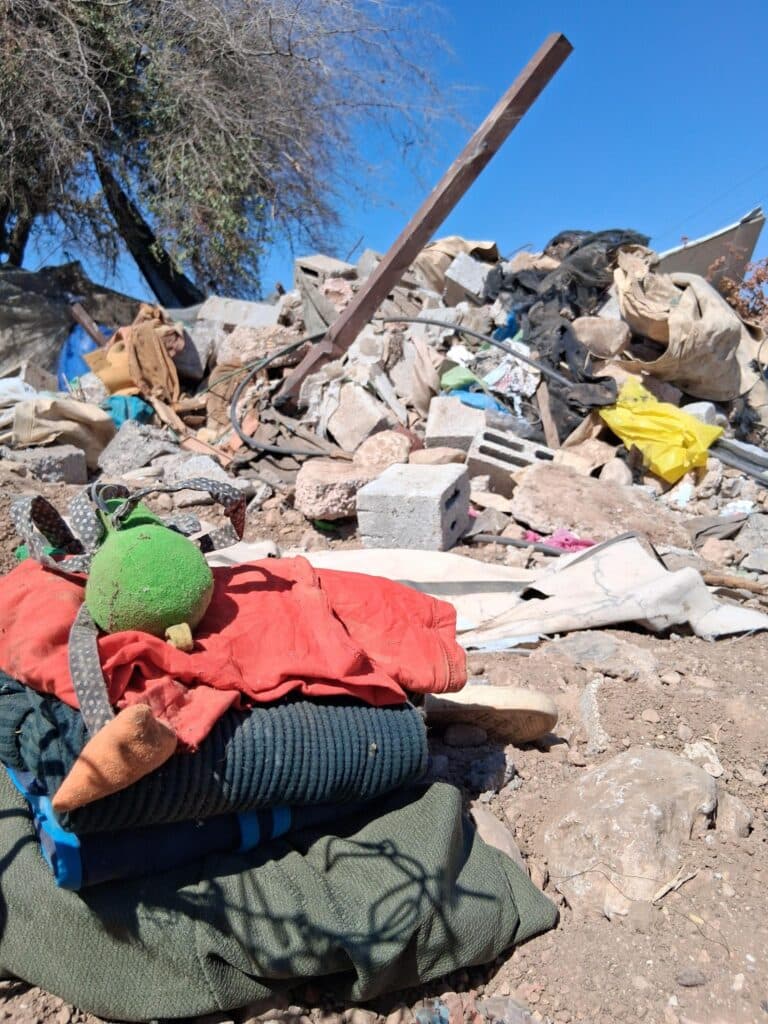
According to the Oslo Accords, this town lies under Palestinian control, not Israeli. Despite this, the town has faced constant harassment and attacks from the Israeli military and settler terrorists.
In 2024, the Israeli Army besieged 1,200 students and teachers inside neighbouring primary
and secondary schools. During this raid on the town, seven locals were murdered by the army
with footage of soldiers throwing bodies off of a roof making international headlines.
On August 18th, Israeli soldiers numbered the foreheads of approximately 50 Palestinian detainees, who were detained under no suspicion of any crime, as the world watched on.
Just two days later, on Thursday August 20th, myself and two other Irish men entered the town under a different pretext; to train the local children of Jenin GAA club.
We arrived at Qabatiya in the evening, to the doorsteps of the two schools, besieged
less than two years prior.
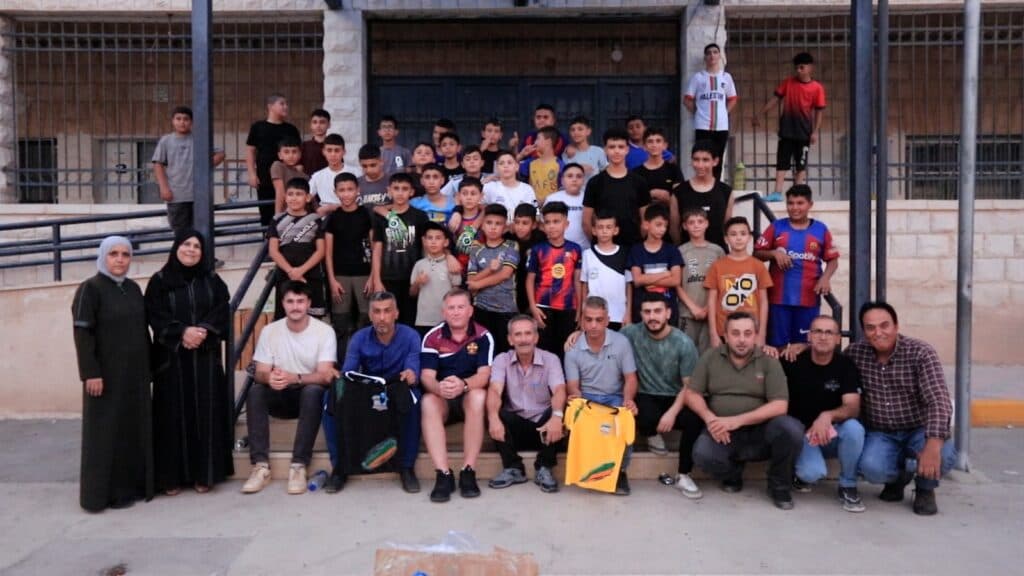
We arrived as the GAA club were setting up for a team photo, with many of the children attending those who had witnessed the horror of the previous days.
As we walked through the gates, the children immediately started circling us, one schoolteacher, one GAA coach and me, a recent graduate who came to Palestine to do protective presence volunteering.
It was rare that visitors came to Qabatiya, with residents increasingly feeling abandoned by the international community.
The children’s excitement at our arrival was palpable.
As it was late evening when we arrived, after making it through the crowds of excitable
children, we quickly made our way to our host’s house who gave us the standard Palestinian
hospitality: a delicious hot meal and enough warm drinks and sugary products to keep anyone
up all night.
We spoke about the experience of life in Qabatiya, with a focus on the club which was still in its early days. Their most recent problem was that, because the occupation forces considered hurls to be weapons. A direct parallel to the English colonialism which the Irish suffered playing our own sports.
Hurls could not be transported into Qabatiya, and as a result, there would be no hurling this weekend.
The following morning, as we drove from our host's house to get our breakfast falafel.
It was a sad day in the town; A father nearby had been murdered by the occupation
forces in his own home for the simple act of not kneeling.
An act which he chose to do after the murder of his two sons only months prior and after the ethnic cleansing of over ten thousand people from Jenin refugee camp in December 2024, not 500 metres from his front door.
Despite the horror, we put on the faces of enthusiastic coaches as we moved to the school to undertake our first training of the day: the under 10 age group.
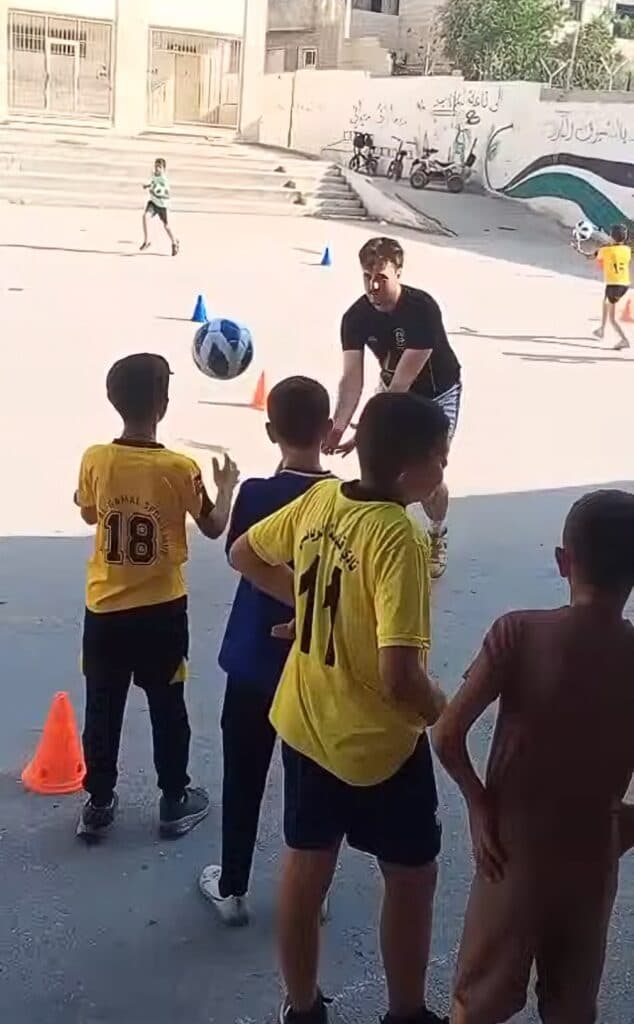
As we left our host’s car we were met by the chorus of young children, all wearing their recently acquired yellow Jenin GAA jerseys.
They spent the first few minutes asking the names of their three pale new coaches, where we were from, and some even trying to debate theology.
As the session went underway, teaching the basics of the hand pass and the solo, I struggled in my extremely broken Arabic to explain to the kids that no, my fellow coach was not in fact my father and that no, I was not a professional player and the sport did not even have professional players (thankfully this did not dissuade their enthusiasm).
From our side a majority of the communication came through a game of charades along with two predominant words, ‘Yallah’ meaning ‘let’s go’ and ‘Khalas’ meaning ‘enough’. The training session ended with a shooting drill where I, a man with very little actual Gaelic experience and certainly not a professional of our amateur sport, opened with a brutal miss.
After our first training, we shared tea with the family of one of the organisers, having a
conversation which I had unfortunately gotten used to in my time in Palestine.
A conversation about suffering, loss, and perseverance. Discussing the fact that even for the aging
grandparents present, sport was their method of escapism under an occupation which had not
relented since their own childhoods.
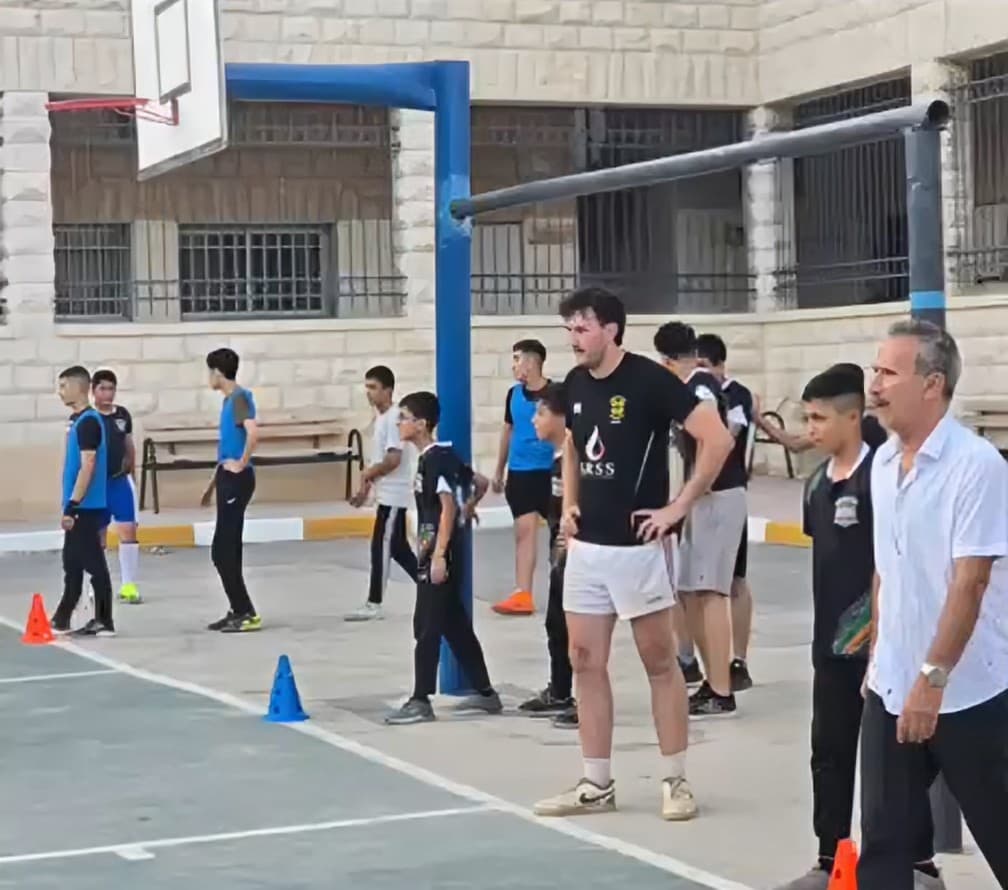
We also discussed the opportunity to train on a full sized pitch, as the evening’s session
consisted of teenagers who would be cramped on the school’s small playground.
Unfortunately, as many conversations which would be mundane in Ireland go, this pitch lies
directly under an illegal outpost, with the ever present risk of settler terrorists coming down
at any time. In the end, it was deemed possible to go there and pay for the rental, as these
risks are unfortunately commonplace in the lives of these children.
Throughout the rest of the weekend, training continued with both teams, with four sessions
taking place in total. Between sessions, we had the opportunity to get to know the children and
hear their stories of life under occupation, their perseverance despite its tightening grip, and,
of course, their thoughts on the ever-important Messi versus Ronaldo debate.
Through conversations with the organisers, I discovered some of the club’s struggles.
One of their biggest challenges is achieving official GAA affiliation. The organisers are working towards this, knowing that recognition would give the club the structure and visibility it needs to further grow.
Despite these setbacks, the club remains a source of escapism and enjoyment for the community. Above all, however, the club is a source of hope, a reminder that some members of the international community have not forgotten.
After the final training session of the weekend, we were brought to the club’s recently
purchased clubhouse to discuss its future, training, funding and the ongoing efforts to secure
official registration with the GAA.
The clubhouse was an old gym, complete with a long wooden desk, two punching bags and a television bought specifically for the club’s new GAA+ subscription.
One week later, I strolled through the streets of Tulkarem at night with a colleague. We were
met with the usual chorus of: “Hey, where are you from” from a group of local children.
Upon hearing I was from Ireland; I was met with the normal appreciation. However, the oldest two
children, twins no older than 14, were even more excited than the rest, pulling out their phones
to show me with pride photos of them playing hurling for their local Tulkarem GAA club and
even pictures of them meeting a top level county player.
The following day, as I shared some fried chicken in the early afternoon with a group of
colleagues and some new friends who were victims of the ethnic cleansing of Nour Shams
Refugee Camp, we received news of an airstrike in Jenin, just kilometres from Qabatiya, a
friend of many I had met no doubt.
After this strike the soldiers were caught photographing the dead bodies and detaining the Red Crescent workers simply trying to treat the wounded.
As we continued eating our chicken in fragile laughter my mind lingered on those I had met in
Qabatiya and their hopes on that pitch in the centre of town.
Even as I write this article, I have received word from friends in Qabatiya that almost two acres
of the town have been taken by the occupation, to build a military tower and access route.
Further tightening its grip on what was once a peaceful town.