Share
7th November 2025
05:22pm GMT

Anemone, Daniel Day-Lewis' first movie in eight years, has just landed in cinemas after much anticipation.
Co-written by the legendary actor, alongside his son and director Ronan Day-Lewis, the film begins with Jem Stoker (Sean Bean, Game of Thrones) solemnly praying for strength before saying goodbye to his wife, Nessa (Oscar-nominee Samantha Morton, In America) and speeding off on a motorbike.
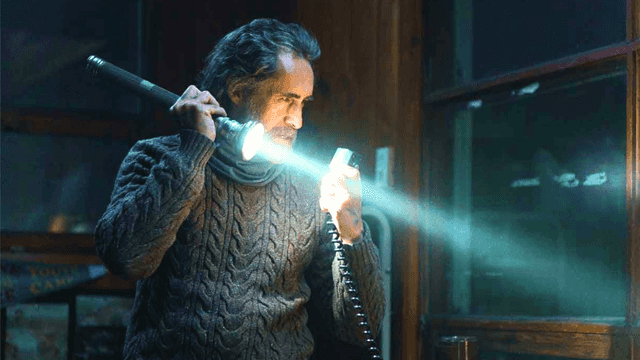
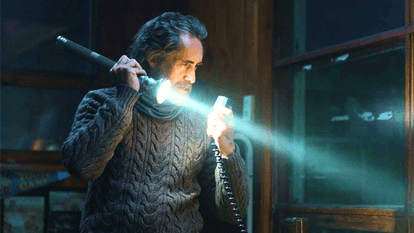
His destination is an isolated shack in the Yorkshire woods, where his older and reclusive brother, Ray (Day-Lewis) - who he has not seen in 20 years - lives.
Upon arrival, the brothers' reunion is a frosty one, filled with long, tense silences.
Over the course of the movie's two-hour runtime, it slowly becomes clear why Jem is seeking out Ray and what led to the latter's self-imposed exile.
A family drama infused with thriller and even horror elements, right from the jump, Anemone has such a strong command of tone.
While certainly deliberately paced - taking its time to parse out information and character motivations - Ben Fordesman’s gloomy cinematography, Bobby Krlic's moody hard-to-pin-down score, the enigmatic and intense performances, and the heightened directorial flourishes from Ronan Day-Lewis all combine to create a thick air of mystery, dread and suspense.
Also, when the dialogue-heavy confrontation scenes come later, they are utterly hypnotic, with monologues deftly toeing the line between being stylised and visceral yet believable.
The return of Daniel Day-Lewis is worth the price of admission for film fans. It's a typically spine-tingling performance from the three-time Oscar-winner, who does incredible work slowly unfurling Ray’s stern, hyper-masculine facade to reveal the wealth of emotion raging underneath.
Given that the actor co-wrote Anemone's screenplay, it's impossible not to draw comparisons between Ray and Day-Lewis' previous characters.
Ray’s isolation from people and his intensity recall Daniel Plainview from There Will Be Blood. Also, as revealed in the trailer for Anemone, The Troubles plays a big part in the story, with this historical backdrop also harkening back to Day-Lewis' collaborations with Irish director Jim Sheridan, such as The Boxer and In the Name of the Father.
Yet, Anemone’s more intimate and claustrophobic story also feels like fresh territory for the performer.

Acting against him, Sean Bean is excellent as Jem too, who one senses is less confident and strong than Ray, but more stable and suited for life. The pair play off against each other brilliantly, aided by Ronan Day-Lewis’ muscular direction, which keeps proceedings from ever feeling stagey.
Anemone is more successful in its first two-thirds than in the final third, which amps up the symbolism. Sometimes this feels like a natural extension of the movie's religious undertones, while other times it feels a tad underdeveloped.
Also, the opening two-thirds of the movie, where the viewer is trying to piece together Anemone's mysteries, ultimately wind up being more compelling than the eventual answers.
That said, the film does end on a powerful note, which is all the more moving given that a father and son made the film together.
While it's obviously great to have Daniel Day-Lewis back on screen, Anemone also establishes Ronan Day-Lewis as a director to watch.

The JOE Film Club Quiz: Week 84
movies tv