


Movies & TV

Share
Published 06:00 22 Oct 2022 BST
Updated 09:59 22 Oct 2022 BST

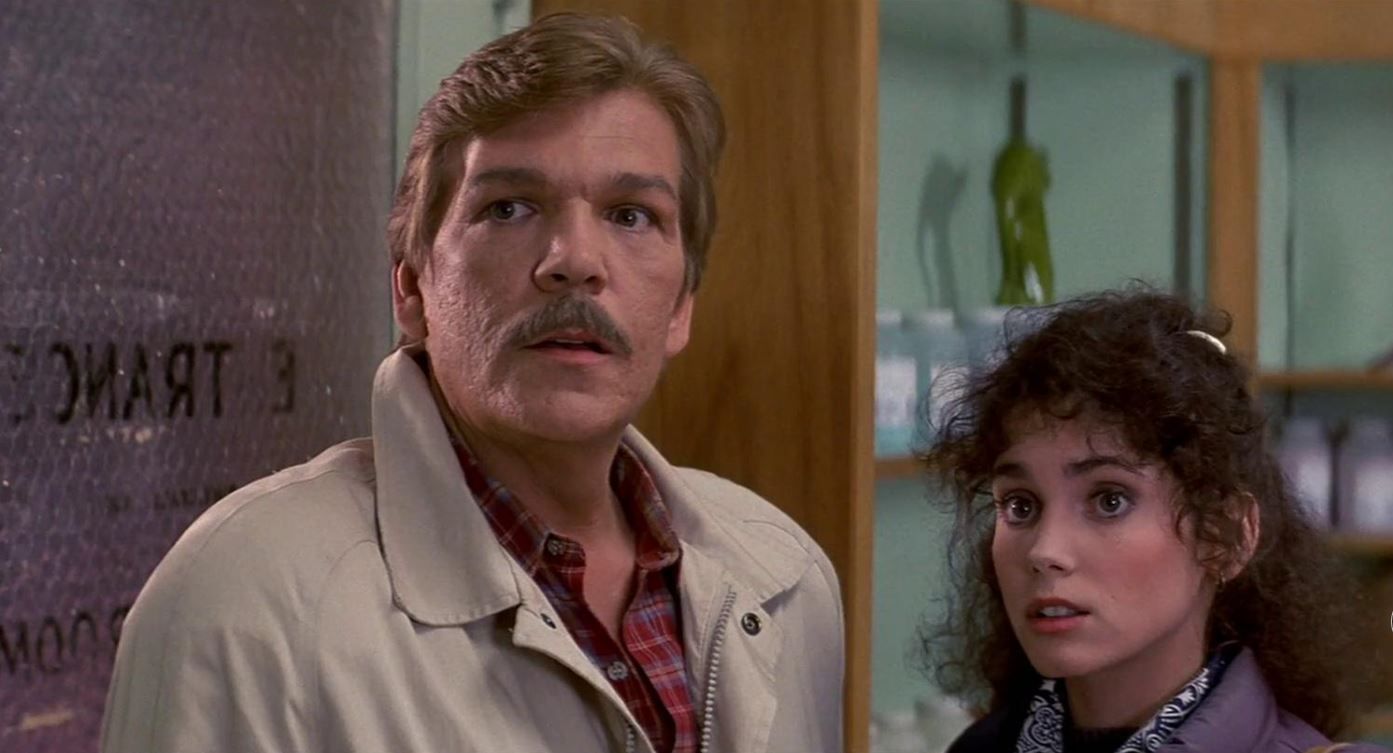 Perhaps, it's this complicated development process that led to the oddity that is the final project which throws a lot of disparate plot elements at the wall to see what sticks. What begins as an intriguing horror mystery mutates into a plot that borders on incoherence once Dan and Ellie reach Santa Mira, after which androids, Irish witches and a wide-reaching conspiracy involving killer masks made from pieces of Stonehenge enter the fray.
The change in direction did not go over well with critics and fans of the series, with the movie grossing significantly less than its predecessors. Some have argued that the hard pivot away from the franchise's Myers plotline, combined with its title implying it would continue the story of the previous Halloween entries, was a factor in its lackluster reception. As such, every Halloween film after it to date has included Myers.
However, as often happens with ambitious sequels that deviate too far from fan expectations - one wonders if this will eventually apply to the divisive and currently in cinemas Halloween Ends which also, to a lesser extent, side-liners Myers - Halloween III's reputation has improved in recent years, with many considering it to be among the best movies in the franchise. It's easy to see why, watching it 40 years after its release.
Clip via Movieclips
For one, Tom Atkins is hysterically funny playing the divorced Dan who embarks on this dangerous investigation into his patient's death less because he wants answers and more because he's attracted to the much younger Ellie. That said, when proceedings take a sinister turn, he manages to muster up an impressive amount of horror acting intensity, such as in the film's haunting closing moments.
On top of this, Halloween III has a great spooky aesthetic. Not only is the synthy score - co-written by Carpenter himself - incredible, but director Tommy Lee Wallace and his cinematographer Dean Cundey (who also shot Halloween and The Fog) do effectively build a sense of impending dread while staging the film's insane moments with aplomb.
In many respects, it's almost a better Halloween movie in terms of the season than the 1978 original. It's filled with more iconography associated with the celebration like masks, pumpkins and trick-or-treaters. There is also the Silver Shamrock ad jingle that runs throughout it on characters' televisions, which sounds very innocuous the first time you hear it but grows creepier as the viewer learns more about the company's ultimate plan.
If you need proof of the craft that went into Halloween III, just take a gander at its inventive opening credits sequence below which perfectly sets the tone for the proceedings to come.
Clip via MovieTitles
Also, while it's easy to pick apart its story for plot holes and jarring elements, I would argue the events of the film become so strange that they feel surrealistic. The plot does not progress in a way that makes literal sense, but more in the way dreams or nightmares do, which is perhaps something that has helped Halloween III linger in the psyche of its viewers.
While it was for many years considered a flaw of Halloween III that it did not include Michael Myers, after years of diminishing sequels featuring the character, it feels more like a blessing now. It helped the third entry stand out and be rightfully reclaimed as an entertaining and fascinating film not just in the franchise but in the horror genre itself.
Perhaps, it's this complicated development process that led to the oddity that is the final project which throws a lot of disparate plot elements at the wall to see what sticks. What begins as an intriguing horror mystery mutates into a plot that borders on incoherence once Dan and Ellie reach Santa Mira, after which androids, Irish witches and a wide-reaching conspiracy involving killer masks made from pieces of Stonehenge enter the fray.
The change in direction did not go over well with critics and fans of the series, with the movie grossing significantly less than its predecessors. Some have argued that the hard pivot away from the franchise's Myers plotline, combined with its title implying it would continue the story of the previous Halloween entries, was a factor in its lackluster reception. As such, every Halloween film after it to date has included Myers.
However, as often happens with ambitious sequels that deviate too far from fan expectations - one wonders if this will eventually apply to the divisive and currently in cinemas Halloween Ends which also, to a lesser extent, side-liners Myers - Halloween III's reputation has improved in recent years, with many considering it to be among the best movies in the franchise. It's easy to see why, watching it 40 years after its release.
Clip via Movieclips
For one, Tom Atkins is hysterically funny playing the divorced Dan who embarks on this dangerous investigation into his patient's death less because he wants answers and more because he's attracted to the much younger Ellie. That said, when proceedings take a sinister turn, he manages to muster up an impressive amount of horror acting intensity, such as in the film's haunting closing moments.
On top of this, Halloween III has a great spooky aesthetic. Not only is the synthy score - co-written by Carpenter himself - incredible, but director Tommy Lee Wallace and his cinematographer Dean Cundey (who also shot Halloween and The Fog) do effectively build a sense of impending dread while staging the film's insane moments with aplomb.
In many respects, it's almost a better Halloween movie in terms of the season than the 1978 original. It's filled with more iconography associated with the celebration like masks, pumpkins and trick-or-treaters. There is also the Silver Shamrock ad jingle that runs throughout it on characters' televisions, which sounds very innocuous the first time you hear it but grows creepier as the viewer learns more about the company's ultimate plan.
If you need proof of the craft that went into Halloween III, just take a gander at its inventive opening credits sequence below which perfectly sets the tone for the proceedings to come.
Clip via MovieTitles
Also, while it's easy to pick apart its story for plot holes and jarring elements, I would argue the events of the film become so strange that they feel surrealistic. The plot does not progress in a way that makes literal sense, but more in the way dreams or nightmares do, which is perhaps something that has helped Halloween III linger in the psyche of its viewers.
While it was for many years considered a flaw of Halloween III that it did not include Michael Myers, after years of diminishing sequels featuring the character, it feels more like a blessing now. It helped the third entry stand out and be rightfully reclaimed as an entertaining and fascinating film not just in the franchise but in the horror genre itself.
Explore more on these topics:

The JOE Film Club Quiz: Week 91
movies tv

Movies & TV

Movies & TV

Movies & TV

Movies & TV

Movies & TV

Movies & TV

