





Crime

Share
Published 14:31 31 Jul 2026 BST
Updated 14:31 31 Jul 2026 BST
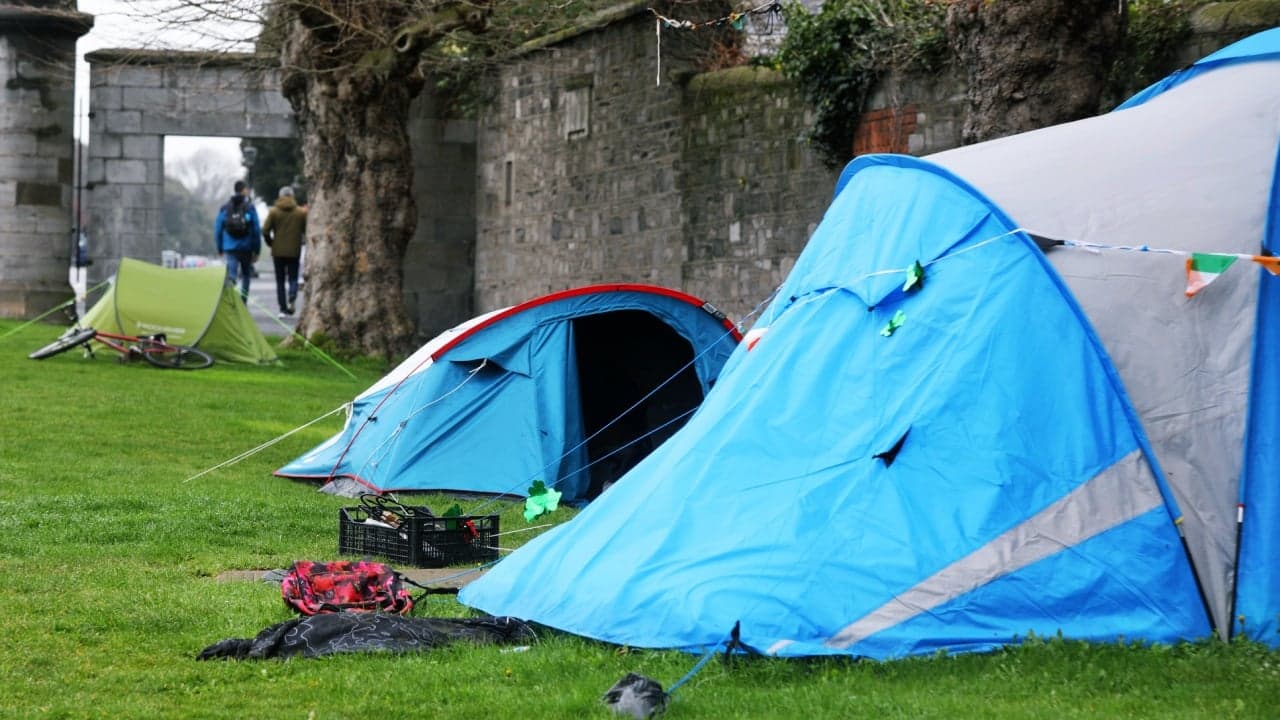
5,620 children are spending their summer holidays living in emergency accommodation, according to the latest figures from the Department of Housing, Local Government and Heritage.
Overall,17,482 men, women and children were living in emergency accommodation in June 2026. This is an increase of 37 children since May.
Over the 12 months since June 2025, the data reveals an increase of 1,567 (9.8%) in emergency accommodation:
Ber Grogan, Executive Director of the Simon Communities of Ireland, said children are essentially growing up, in emergency accommodation.
"Behind every one of these figures is a child whose education, wellbeing and future are being affected by the trauma and uncertainty of homelessness.
For most children, the summer holidays are a time for playing outdoors and making happy memories with family and friends. But for thousands of children experiencing homelessness, summer means another day in a hotel room or family hub, often sharing a single room with their family and with little space to play, learn or simply be children.
Summer can also bring additional pressures for families experiencing homelessness. Without the structure of the school day, many parents face increased childcare costs while also losing access to school meals, putting even greater strain on already stretched household budgets."
These figures exclude the thousands of people, including children, in direct provision with leave to remain. They also exclude women and children being accommodated in domestic violence refuges.
New figures released by the Central Statistics Office yestersday show that the number of houses completed between April and June this year is down 3.6% compared to the same three months in 2025.
Crime
Crime
Crime

Crime
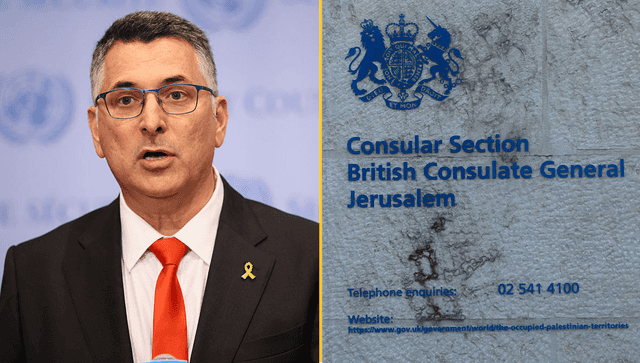
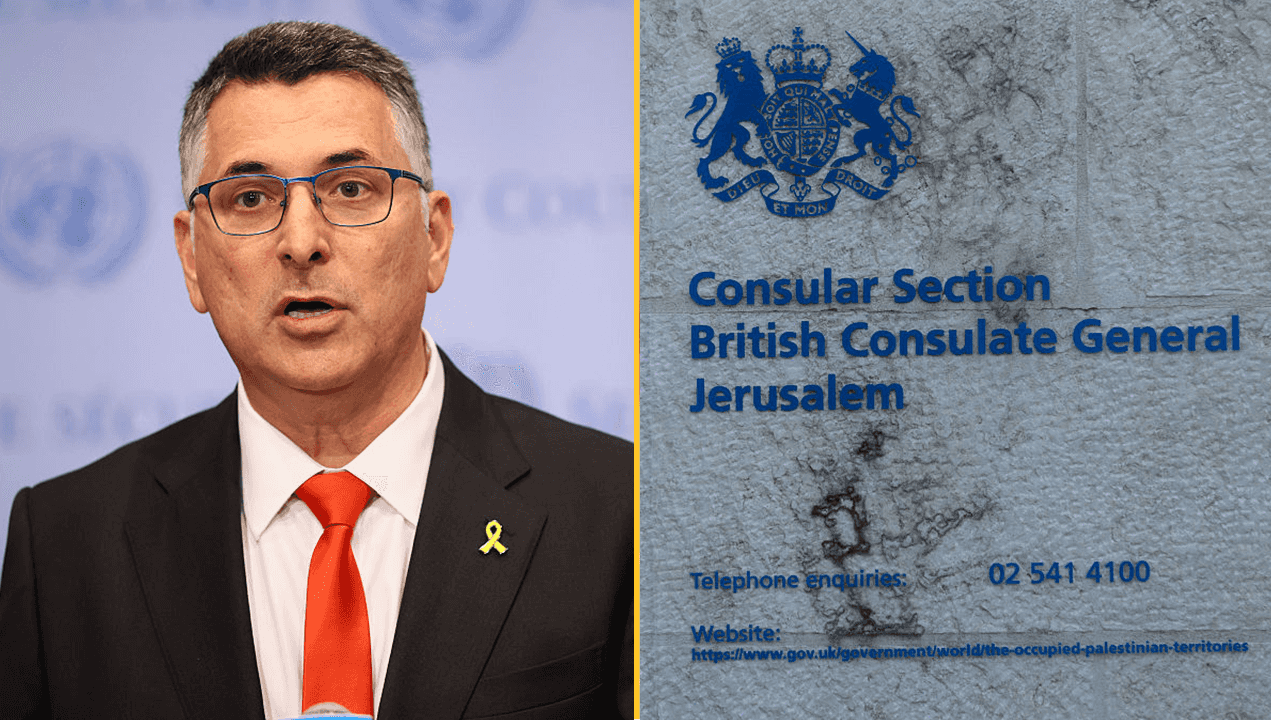
Israel shuts British consulate in Jerusalem in retaliation for sanctions
Israel said it would shut the consulate in retaliation for sanctions, adding ‘we did not want it to come to this’ Israel says that most UK diplomats will leave the British consulate in occupied East Jerusalem, while the UK has insisted the building “will not be closing”, but will operate as a “UK Mission”. Gideon […]
Crime
11h
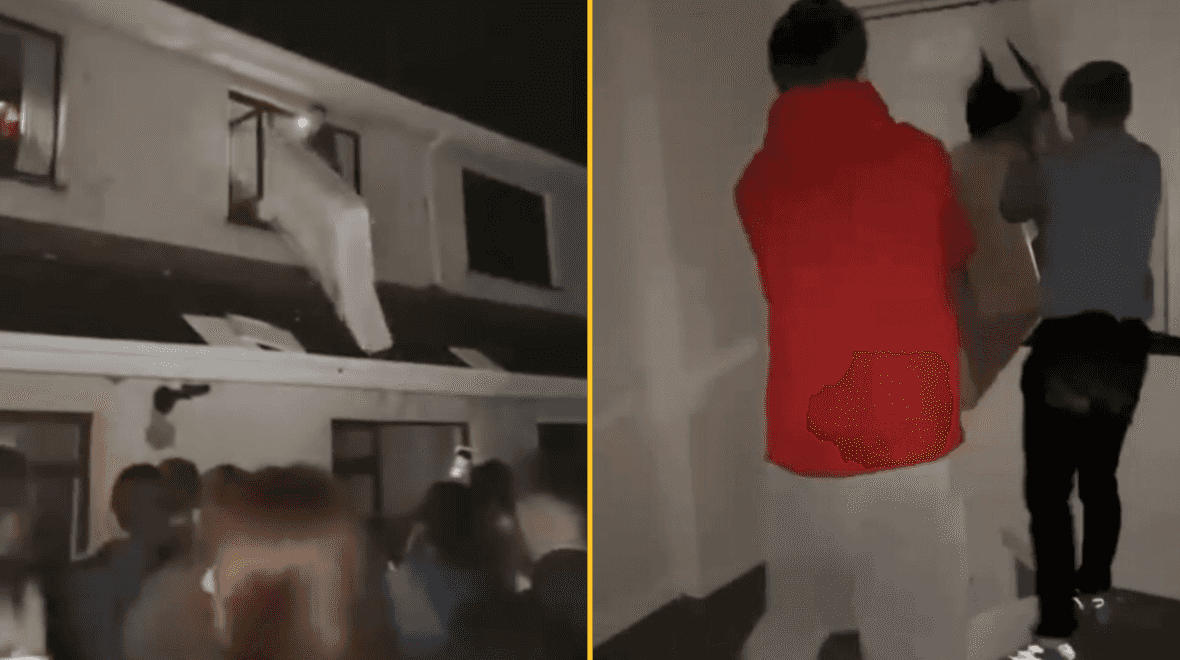
Gardaí investigate after Limerick house destroyed during ‘student party’
They were called to a “large public gathering” in College Court in the early hours of Wednesday morning. Gardaí are investigating after a house in Castletroy, Limerick, was extensively damaged during a large gathering, believed to have been a student party, in the early hours of Wednesday morning. Gardaí asking for public assistance “as part […]
Crime
11h

Crime
20 things your penis could be telling you about your heart
Crime