








News

Share
Published 10:21 23 Jun 2026 BST
Updated 10:53 23 Jun 2026 BST
It is pretty flipping hot out there with weather warnings and turbulent weather plaguing parts of the nation.
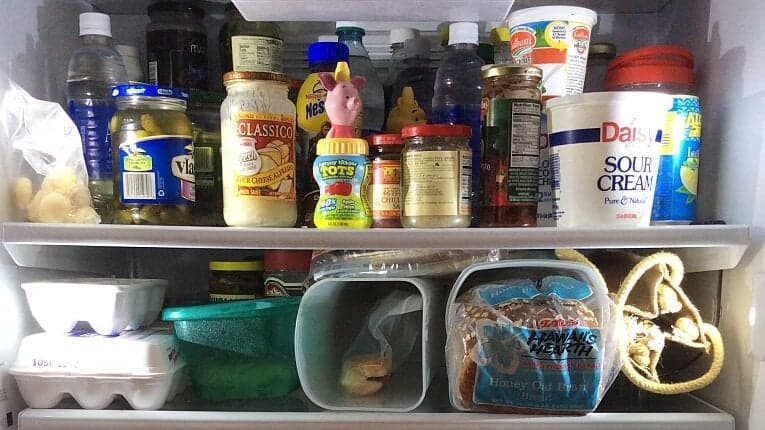
With this rather warm weather gripping the nation, folk need to be careful with their refrigerated goods as the sweat-inducing weather continues.
With temperatures potentially hitting 34°C and the weather set to continue into the coming days an expert is urging homeowners to do a little experiment involving A4 sheets of paper.
According to Beko UK's head of product management Salah Sun, per The Express, a common issue with old-ish kitchen fridges risks the loss of their edible contents during heatwaves like we're now experiencing.
If your fridge isn't brand-new, then the door seal will likely be looser than it should be and so it has to work a lot harder to remain cold.
Not only will this hike up energy bills, it'll also spoil your food much faster.
"One issue that may arise with your fridge is wear and tear on the door seal," said Salah.
"A worn-out door seal can prevent the refrigerator door from closing properly, causing the cooling system to work harder to keep your groceries fresh. This can lead to increased energy consumption and potential damage to your fridge and its temperature settings. Heat entering your fridge can overwhelm its cooling capabilities, especially during blazing summer days."
Salah went on to reveal a neat trick you can conduct.
"To check if your fridge door is functioning correctly, use a piece of paper. Place the paper against the door seal and close the door. When you try to pull the paper out, you should feel some resistance. If the paper slides out easily, your door seal may need replacing."
While there is no legally defined 'too hot' temperature for work, there is a minimum temperature recommended for workplaces.
According to the Safety, Health and Welfare at Work (General Application) Regulations 2007, an employer shall ensure that "for sedentary office work, a minimum temperature of 17.5°C, so far as is reasonably practicable, is achieved and maintained at every workstation after the first hour's work".
"For other sedentary work, at every workstation where a substantial proportion of the work is done sitting and does not involve serious physical effort, a minimum temperature of 16°C is, so far as is reasonably practicable, achieved and maintained after the first hour's work," it adds.
The regulations also state: “An employer shall ensure that—during working hours, the temperature in rooms containing workstations is appropriate for human beings, having regard to the working methods being used and the physical demands placed on the employees."
Furthermore, while no maximum figure is specified, the Safety Health and Welfare at Work Act 2005 says employers owe a general duty to ensure the safety of staff.
Under Safety, Health and Welfare at Work Act 2005, employers must "take reasonable care to protect his or her safety, health and welfare and the safety, health, and welfare of any other person who may be affected by the employee’s acts or omissions at work".
The IBEC, who represent Irish businesses, outlined that if companies work to try to bring down the heat, employees will not get a day off.
“Where an employer is obviously sympathetic and tries to alleviate the worst effects of hot weather, most employees should bear with temporary discomfort and continue working normally," it explained.
“Unless conditions are extreme, measures such as those outlined above should prevent any employees justifiably claiming that the company is in breach of its duty under the 2005 Safety Health and Welfare at Work Act.
“Any refusal by the employees to work would then place them in breach of their contracts of employment, which could lead to loss of pay/disciplinary action."
An employer should carry out a risk assessment if a significant number of employees are complaining about the temperature.

News

News

News

News
Man, 30s, arrested as teen killed in Kerry hit-and-run named locally
The teenager had just celebrated his 17th birthday. A man has been arrested after a teenager was killed in a County Kerry hit-and-run. The incident involving a van and a pedestrian occurred on the N69 near Dromin Upper, Listowel, on Saturday, September 26, around 3am. The van failed to remain at the scene. The male […]
News
7h
Ed Sheeran forced to cancel upcoming shows at Robert Kraft’s Gillette Stadium
It comes as the tour made headlines after removing Macklemore over pro-Palestine speech Ed Sheeran’s two shows at Robert Kraft’s Gillette Stadium in Massachusetts this weekend have been cancelled due to severe weather warnings. The singer had been due to perform at the home of the New England Patriots on Friday and Saturday as part […]
News
2 days ago
Killer on the run captured in Donegal caravan
News