







News

Share
Published 14:19 31 Jul 2026 BST
Updated 14:19 31 Jul 2026 BST
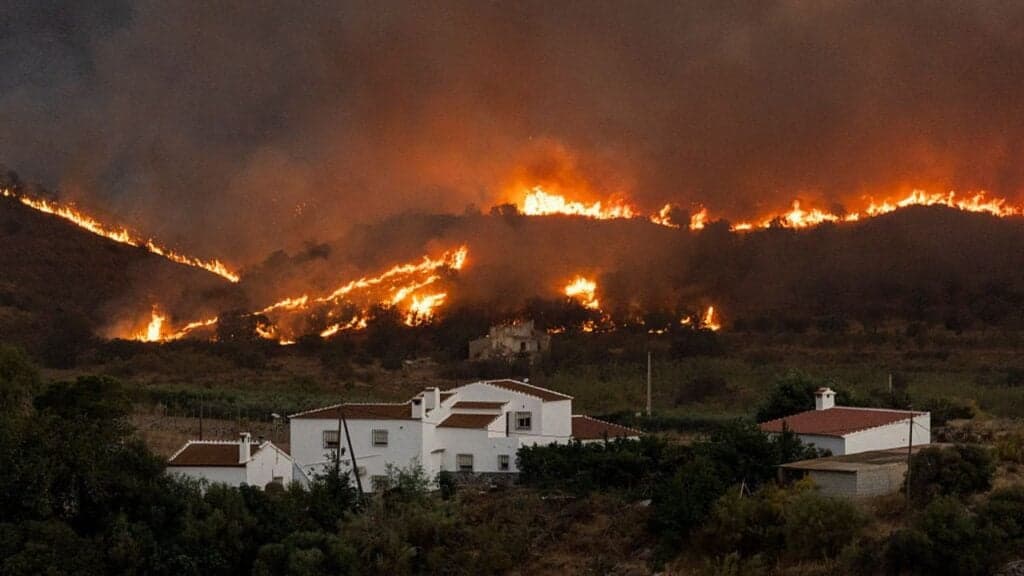
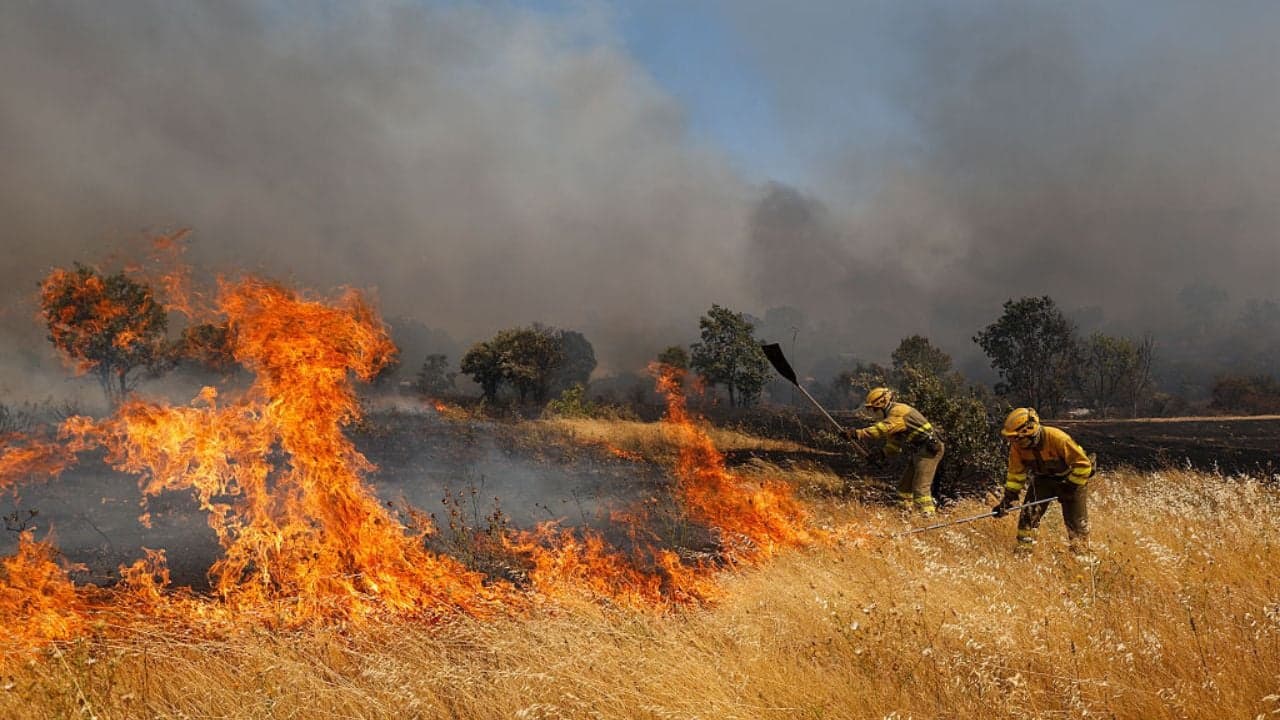
The fires in Spain and France have not only claimed the lives of a large number of people, but are also transforming the tourism landscape and affecting the holiday plans of many foreign visitors.
The consequences are devastating. From the fires and loss of life, to the impact and cost to the country's economy, as well as the local landscape and ecosystem.
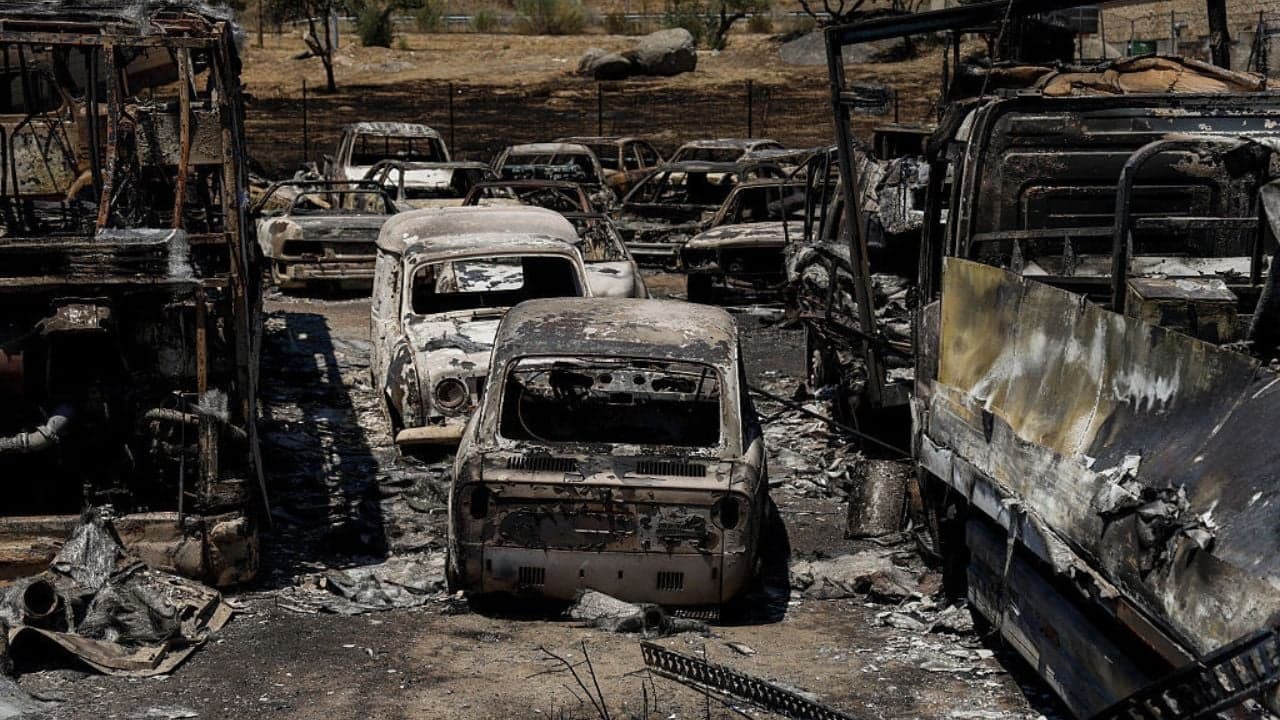
Some of the fires are no longer classified as a national emergency. In some areas residents have been able to return to their homes, whilst some others have seen them burn into ashes.
July 2026 has already seen the largest fire in Spain’s history, in Ávila, with more than 50,000 hectares burnt. It has also seen one of the forest fires with the highest number of victims (Almería).
In Spain, the fires have ravaged an area six times larger than during the same period last year.
And France has already surpassed the worst previous year in terms of the area burnt, with August – usually the hottest month – still to come.
Large-scale wildfires are ravaging various towns and cities in France and Spain are a result of the extreme heat across Europe.
The areas most affected are mainly south-western France and various parts of Spain, such as Castilla and León, Madrid and other areas where fires are currently burning.
Many residents and tourists have been evacuated due to the severity of the danger.
The cause of these extreme fires, exacerbated by climate change, is the relatively humid winter and spring experienced this year, which has encouraged the growth of vegetation.
The subsequent arrival of heatwaves has caused the vegetation to dry out, turning it into highly flammable fuel for the fires.
The heatwave at the end of June was the most severe ever recorded in Europe to date.
The wildfire in Almería (Spain), which broke out at the end of the month, and in which at least 12 people were killed and 23 are unaccounted for, was the beginning of everything.
The fires are also directly affecting hotels, campsites, beaches and roads. Many residents and tourists have had to evacuate.
Witness Patrick, a 77-year-old man, describes how he was enjoying a day at the beach when a “huge column of black smoke” appeared on the horizon.
“The sky just changed colour and the smoke was really intense. Ash was falling from the clouds, and the beach was littered with black soot where the waves normally leave seaweed,” said Alexandra, who was on holiday in Gironde (France).
Without hesitation, Alexandra and her partner caught a flight back to the UK. But in the early hours of the morning, they received news that the airport was under an evacuation order.
Fortunately, they got to the airport on Saturday morning.
Thousands describe how they were forced from their homes as the flames engulfed their houses, or how they fled their holidays upon seeing the colossal columns of black smoke looming on the horizon.
“If you don’t flee and try to face it, it devours you,” explains Ecologio Cabrera, aged 86, one of the residents who had to evacuate his village near Madrid.
Enrique Martín, also from Madrid, explains: “I had to run out of my house. There was a fireball. If I’d delayed for just five more minutes, it would have wiped us out.”
“Not even in my worst nightmares could I have imagined this,” says Rocío, a resident of Castile and León, who managed to escape with her husband. He, however, suffered burns whilst trying to rescue their dogs.
The consequences also have a major impact on the country’s economy.
The study ‘The regional economic impact of wildfires: Evidence from Southern Europe’, published in the Journal of Environmental Economics and Management in 2023, revealed how wildfires affect the economy and the jobs in the regions of Southern Europe (Portugal, Spain, Italy and Greece) between 2011 and 2018.
The findings showed a slower growth in the economy, as well as massive economic losses, and an impact on some job sectors such as transport services, hotels and restaurants.
They observed “an average contemporary decrease in a region’s annual GDP growth rate of 0.11–0.18% conditional on having experienced at least one wildfire. For an average wildfire season this leads to a yearly production loss of 13–21 billion euros for Southern Europe”.
There is no doubt that these wildfires, being some of the most severe ever recorded in Europe, will be followed by similar expected consequences, if not worse.
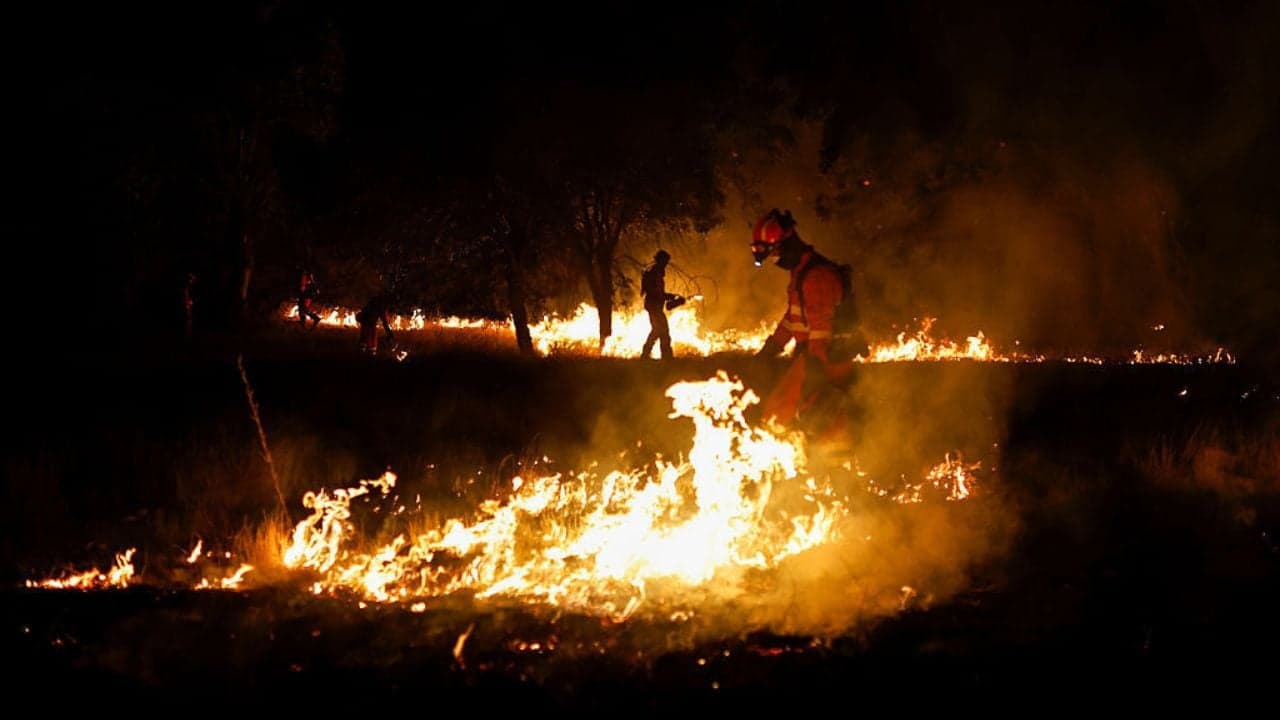

By the 28th of June, about 375,000 people had to leave their homes in France and Spain. Nearly 4,000 people were evacuated from tourist sites near Bordeaux, in France.
After returning to his accommodation in Bordeaux and seeing what was really happening on the news, he realised the gravity of the situation: “My main memory is how bizarre it was to watch people enjoying their holidays on the beach whilst a major catastrophe was unfolding in full view, not far away,” Patrick told The Guardian.

News

News

News

News
Man charged with murder over four year-old and his great aunt in Offaly
A 22-year-old man has been charged with the murder Tadgh Farrell and his grand aunt Mary Holt in a fire at a house in Edenderry. Michael Dunne, with an address in Co Kildare, has appeared before Tullamore District Court charged with two murders that shocked the country last year. A fire at Castleview Park, Edenderry […]
News
1h
IKEA launches second-hand marketplace as 93% of Irish adults say they shop second-hand
The platform allows customers to buy and sell pre-owned furniture. IKEA has launched a second-hand marketplace in Ireland as 93% of adults surveyed in Ireland said they shop second-hand. The platform will allow customers a convenient and free way to buy and sell pre-owned furniture directly with one another, for prices, on average, 60% cheaper […]
News
1h
Mary Lou McDonald moves ahead with RTÉ defamation case
News