








News

Share
Published 15:57 8 Jul 2026 BST
Updated 15:57 8 Jul 2026 BST

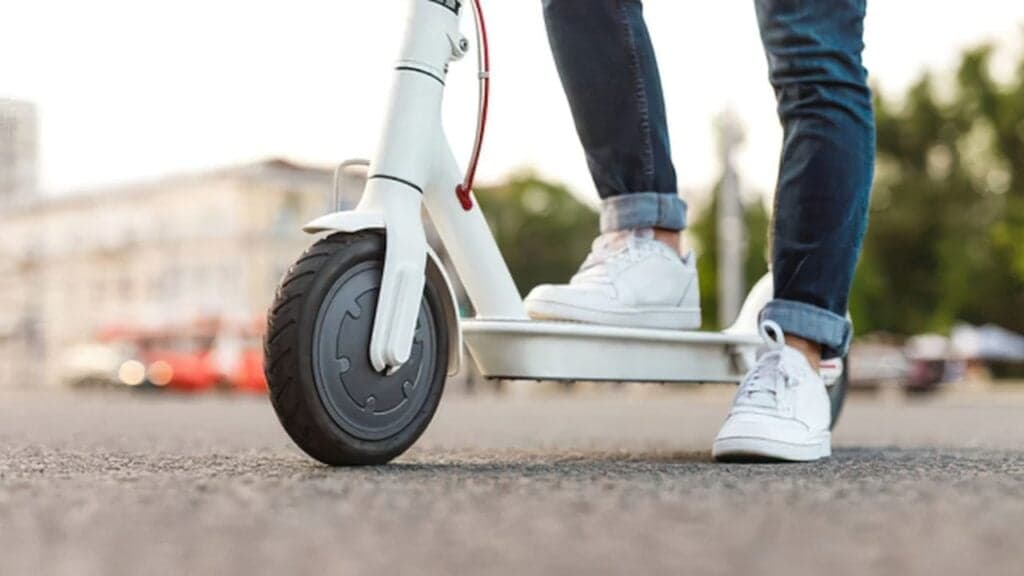
E-scooters have been in the news for all the wrong reasons this year, and it seems likely a change is coming.
Six children have been put on life support in the past month in Children's Health Ireland, Temple Street because of injuries they have sustained on the vehicles.
Since May 2024, Children's Health Ireland Hospital (CHI) at Temple Street has admitted over 25 children with traumatic brain injury due to e-scooter falls, “making e-scooters the current leading cause of admissions of children with traumatic brain injury to Ireland’s national neurosurgical centre.”
Now, a government minister has agreed E-scooter regulations “need to change”.
Jack Chambers the Minister for Public Expenditure says he has “significant” concerns around the vehicles.
He told the Dail that the Minister for Transport, Darragh O’Brien, is currently conducting a review of regulations.
He said this would be particularly focused on helmets and high-visibility clothing.
“With a view to addressing the concerns that have been documented around head injuries and other serious injuries," Mr Chambers added.
He also said Mr O’Brien is “considering a range of proposals in the context of the next road traffic bill”.
“I don’t think we can leave the current regulatory system as it is.”
He said the “shocking” evidence coming from across the country has sparked huge concern: “I think we need to change some of the regulations that exist today, because it’s causing a significant impact on young people.”
Current e-scooter regulations state that e-scooters became legal on public roads in May 2024, riders must be 16 or older, the maximum speed limit is 20km/h, they cannot be used on footpaths, and only one rider is allowed.
Dr Irwin Gill, a Consultant Paediatrician, said on Newstalk Breakfast that the serious injuries caused by an e-scooter fall put children “at risk of having long-term difficulties”.
He also stated that “the average length of stay [in the hospital], if you are admitted with traumatic brain injury from an e-scooter fall, is almost 19 days”, which equals the same amount of stay if you were a pedestrian or cyclist having been struck by a car.
The death of Grace Lynch in January 2026 marked a turning point.
Despite the youngster dying after being struck by a scrambler bike, her death sparked debate around powered vehicles and called for enforced regulations.
Among its legislation, ‘Grace’s Law’ developments included a prohibition on the use of scramblers and off-road vehicles outside private land and penalties of up to €1,000 for a first offence.
Within the latest incidents involving an e-scooter, a 17-year-old boy died after falling from the vehicle in early July.
Another incident regarding the injury of a Garda officer in Finglas, Dublin, who was struck by a teenager’s vehicle, saw the Garda Representative Association call for new laws requiring people to obtain a licence to operate e-scooters and e-bikes.
The Green Party has called for restrictions on vendors selling e-scooters to children. Green Party leader Roderic O’Gorman demanded a strict ban on the sale of e-scooters designed for small children, stating that “this is a basic question of safety for kids.”
The current legislation states it is illegal for under 16 to use e-scooters, however they can still be sold to them.
Explore more on these topics:


News

News
News

News
Solicitors legal aid row escalates ahead of Monday walkout
Criminal defence walkout set to affect cases across Ireland Criminal cases across Ireland could face further disruption from Monday, with more than 100 solicitors preparing to step away from defence work amid an unresolved row over legal aid payments. The solicitors have written to the presidents of the District, Circuit and High Courts to notify […]
News
2 days ago
Homes evacuated after ‘pipe bomb’ explosion in Belfast
Police have asked the public to avoid the area A number of homes have been evacuated after an explosion at a property in north Belfast. The incident is reported to have happened in the Stanhope Street area of the city. It is believed that a pipe bomb exploded at a property in the neighbourhood. The […]
News
2 days ago

News
Trump’s new press secretary gives bizarre answer when asked if she’s a qualified lawyer
News