







Business

Share
Published 23:28 17 Aug 2026 BST
Updated 08:09 18 Aug 2026 BST

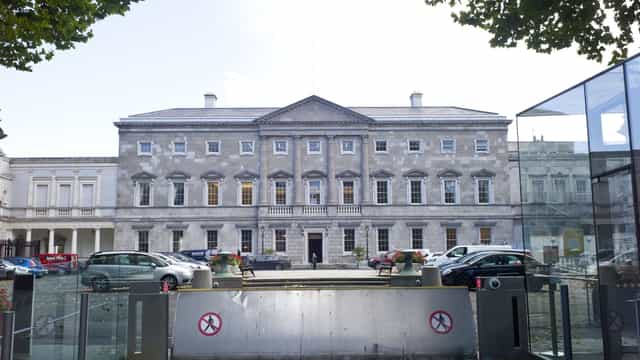
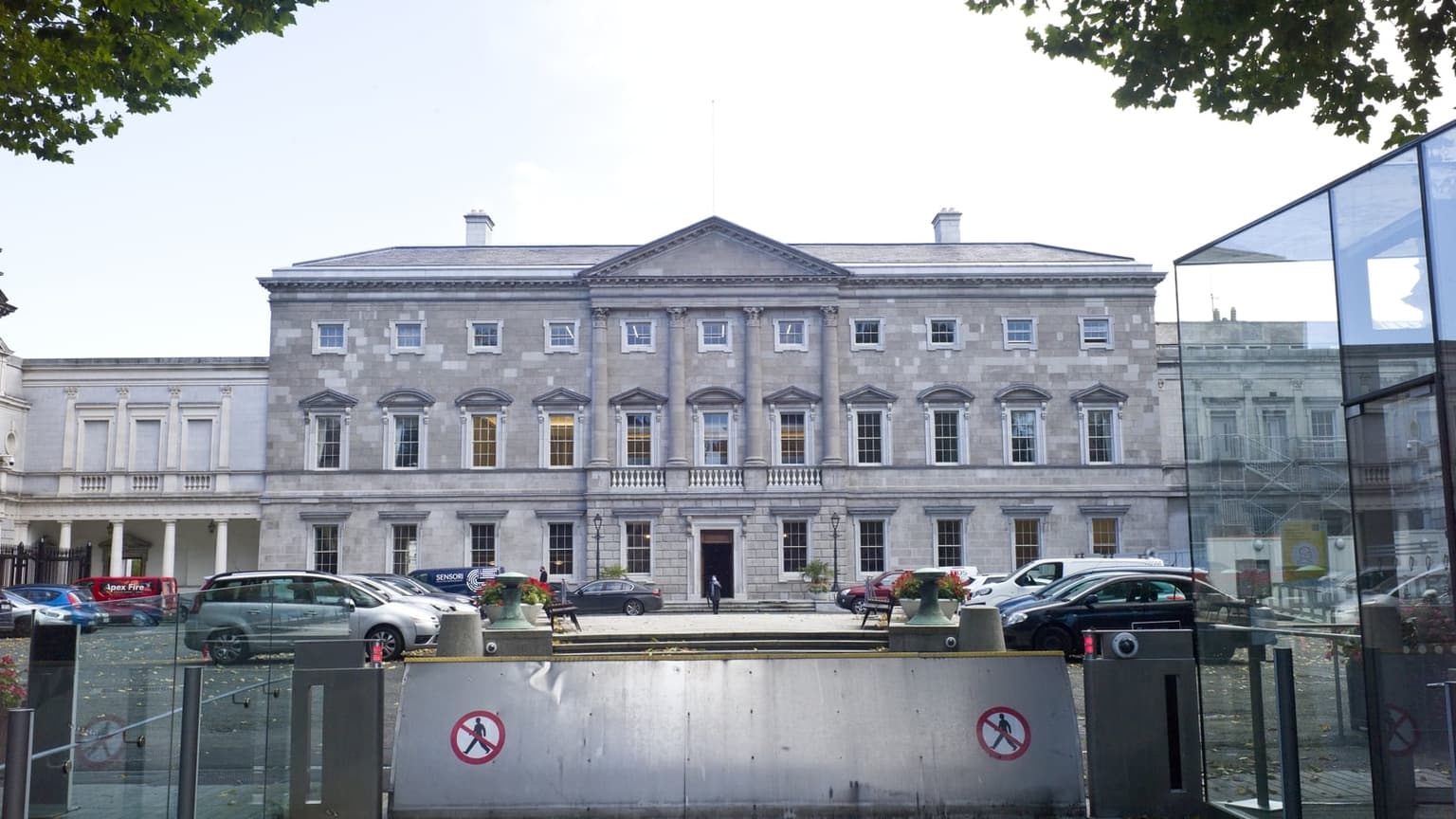
A demonstration outside Leinster House, a letter signed by 47 members of Fianna Fáil’s parliamentary party, and now a face-to-face meeting with the company that makes the drug.
Skyclarys has become one of the most politically awkward health stories of the summer, and it is not going away.
Fine Gael members met the manufacturers of Skyclarys, a disease-modifying drug for the rare disease Friedreich’s Ataxia, on Monday.
It is the latest move in a campaign to reverse an HSE decision recommending against funding a treatment that costs €288,000 per patient per year.
Skyclarys was approved by the European Medicines Agency in February 2024 and has since been made available to patients in other European countries.
In Ireland it is not available to the roughly 200 patients living with Friedreich’s Ataxia, a rare neurological condition. It is the only licensed treatment for the disease.
The sticking point is the price. At €288,000 per patient per year, the cost sits at the very top end of what the State is asked to reimburse, and the HSE recommended against funding it.
That arithmetic will be familiar to anyone who has followed other HSE funding decisions in Ireland, where a clinical case and a budget line pull in opposite directions.
The timeline is the part that stings. The drug cleared the European regulator two and a half years ago and patients elsewhere in Europe are being treated with it. Irish patients with the same diagnosis, and the same single licensed option, are not.
Last week, 47 members of the Fianna Fáil parliamentary party signed a letter to Health Minister Jennifer Carroll MacNeill, Taoiseach Micheál Martin, Tánaiste Simon Harris and HSE Chief Executive Ann O’Connor calling for the decision to be reversed, an unusually large bloc of backbenchers lining up against a call taken on their own Government’s watch.
Fine Gael has now taken the next step. TDs Micheál Carrigy, Catherine Callaghan, Seán Kyne, David Maxwell, Noel McCarthy and John Paul O’Shea, along with Senator Noel O’Donovan, met Biogen, the biotechnology company that makes the drug, and called on it to work with the HSE to give patients access.
Going to the company rather than the Minister is a shift in tactics. The letters, the demonstration outside Leinster House and the calls for political intervention were all aimed at Government; bringing Biogen into the room puts the other half of the equation on the record too.
Nothing has changed for those patients yet. The HSE recommendation stands, the price is unchanged, and the treatment remains available in other European countries but not here.
What has changed is the political temperature: TDs in both Government parties are now publicly on the record against the decision, and the manufacturer has been brought into the conversation.
As The Journal reported, the ask now is for Biogen and the HSE to engage directly.
That is a long way from a protest outside Leinster House, but for families watching a progressive condition advance while a licensed treatment sits on the other side of a funding decision, it is the only conversation that counts.
Explore more on these topics:
Business

Business
Business

Business
Politicians receive letters from PSNI over standing with Garvaghy Road residents
People Before Profit and Sinn Féin politicians in the north have received letters from PSNI probing alleged criminal offences after they protested on the Garvaghy Road. The PSNI have said they would be sending letters to people suspected of committing criminal offences regarding the ongoing standoff. Our officers have moved to the next phase of […]
Business
2 days ago
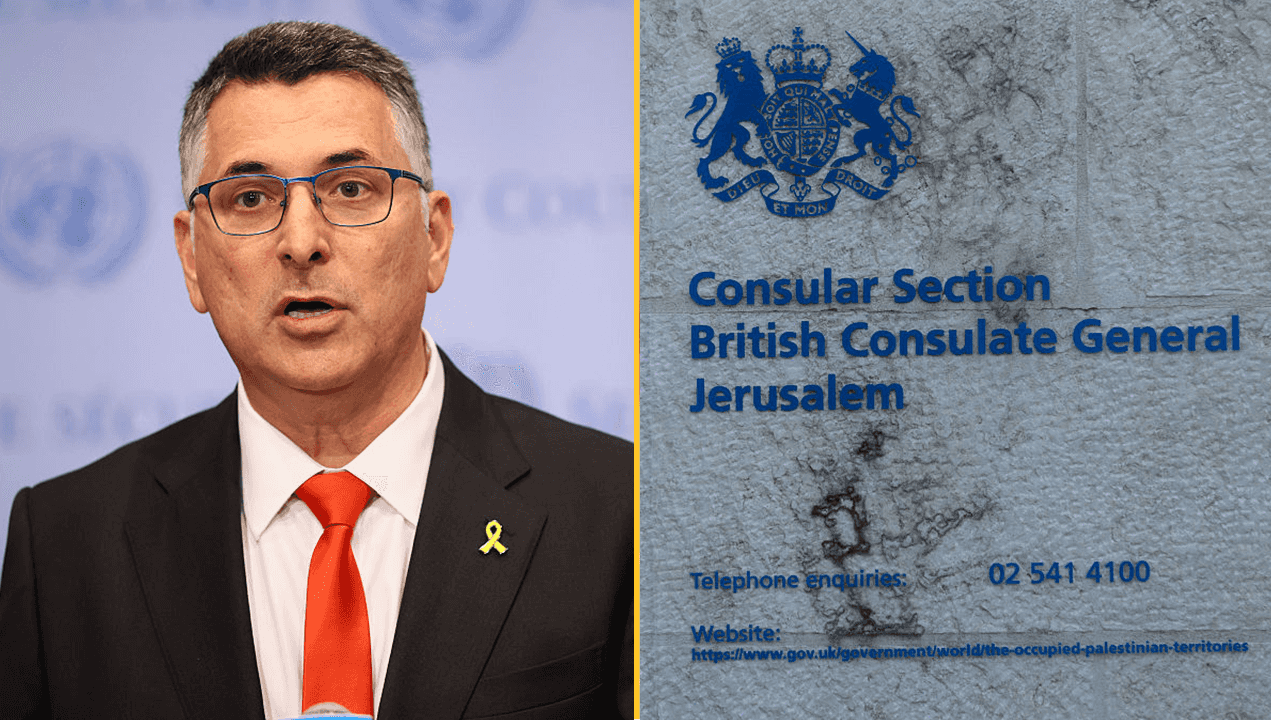
Israel shuts British consulate in Jerusalem in retaliation for sanctions
Israel said it would shut the consulate in retaliation for sanctions, adding ‘we did not want it to come to this’ Israel says that most UK diplomats will leave the British consulate in occupied East Jerusalem, while the UK has insisted the building “will not be closing”, but will operate as a “UK Mission”. Gideon […]
Business
3 days ago

Business
Schools likely to close amid strike action on October 14
Business