






Business

Share
Published 12:58 12 Oct 2026 BST
Updated 12:58 12 Oct 2026 BST
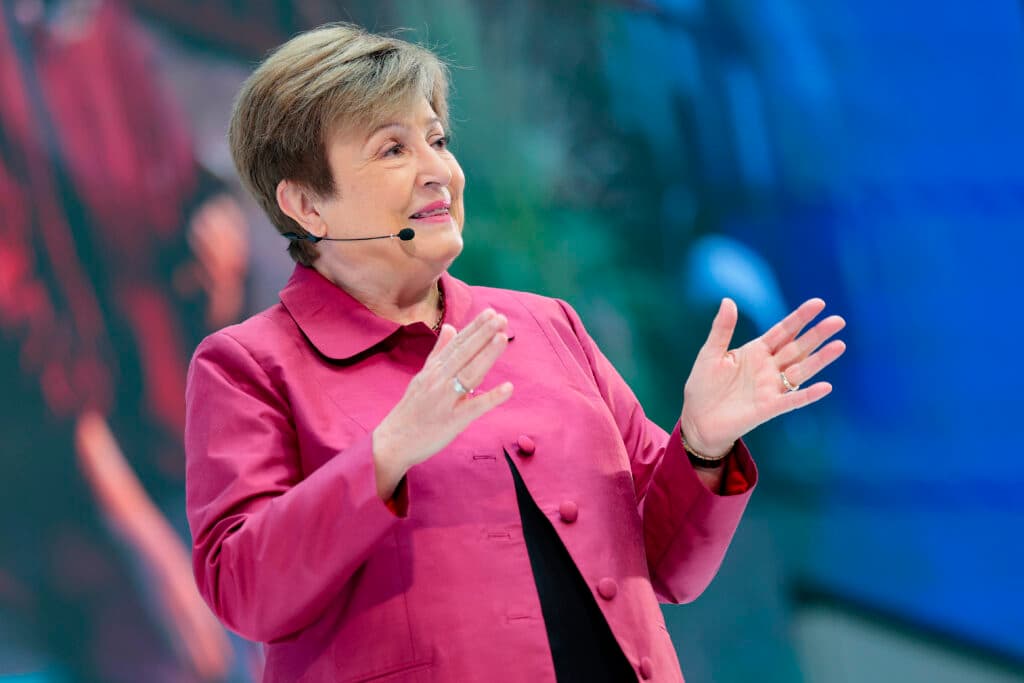
The rapid spread of artificial intelligence could make it harder for young people to secure jobs and threaten a key source of government income, the head of the International Monetary Fund (IMF) has warned.
As reported by The Irish Times, citing Bloomberg, managing director Kristalina Georgieva raised the alarm at the IMF and World Bank’s annual meetings in Bangkok on Monday, describing the changes brought by automation as a “slow-moving tsunami”.
“It is a slow-moving tsunami, but [a] tsunami nonetheless,” she told delegates during a discussion about AI and employment.
Georgieva said demand for workers carrying out repetitive, routine tasks was already declining, while more people were being pushed towards lower-paid jobs in sectors such as construction.
She described the shift as “not a story to celebrate”.
The effects could also create problems for governments, which depend heavily on income tax from workers.
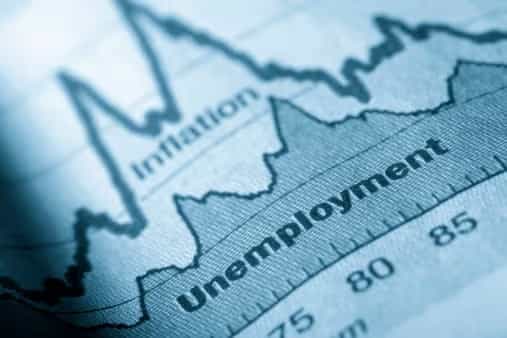
If AI makes capital more important to economies while reducing reliance on labour, traditional sources of public revenue could come under pressure.
Young people may be particularly affected, Georgieva warned, as hiring slows in industries where AI is becoming more widely used.
Those hoping to land their first jobs could face an increasingly difficult search.
She also highlighted the uneven distribution of AI’s financial rewards. Despite a worldwide surge in investment, the benefits are currently reaching only a relatively small share of workers and economies.
The warning comes amid growing debate about how governments should respond to the technology.
Irish MEPs have raised concerns about AI chatbots this year, while Budget 2027 negotiations are taking place against the backdrop of a changing jobs market.
A recent poll has also found that many young adults in Ireland are worried about their economic prospects.
However, Georgieva said AI could still deliver substantial economic gains. According to the IMF, it could increase growth in advanced Asian economies by up to one percentage point, helping to counter the economic effects of ageing populations.
“That is a very big deal,” she said.
She acknowledged that predicting how employment will change over the next five years remains difficult, but urged governments to prepare now.
“We can be disciplined and carefully assess what is happening, and then draw lessons, but — most importantly — act on them now,” she said.
Explore more on these topics:
Business

Business
Business
Business
ISIF investment fund launches €1bn plan for Irish firms
More than 500 Irish firms already supported by scaling strategy Irish businesses looking to compete on the international stage are set to receive a €1bn funding boost over the next four years, under a new initiative designed to help homegrown companies scale up. Tánaiste Simon Harris and Enterprise Minister Peter Burke announced the plan on […]
Business
1 day ago
Taoiseach suggests exempting Oireachtas staff from public sector strike action
Micheál Martin is not happy about the proposed industrial action. The Taoiseach has refused to answer when asked if he will cross a picket line next week and suggested there should be a derogation for staff in Dáil Éireann. Public servants have been on a work-to-rule since September 30. Two strikes are set to go […]
Business
2 days ago

Business
Business