

Fitness & Health

Share
Published 18:27 13 May 2016 BST
 This is what actually happens...
"The first thing it does is makes us hungry," he tells Bulletproof presenter Dave Asprey. "The second thing it does is activate craving centres, so our ability to say 'no' vanishes. So after that, stress hormones start to be secreted - emergency stress hormones - that drag calories out of storage sites, which temporarily solves the problem, but it does so at great stress to the body. Then finally, if it continues, metabolism will actually slow down."So when your metabolism slows down, you are burning fewer calories and that means weight loss can stall. Bad news for dieters But Dr Ludvig did a study for his new book Always Hungry? which threw up interesting results for anyone trying to diet down.
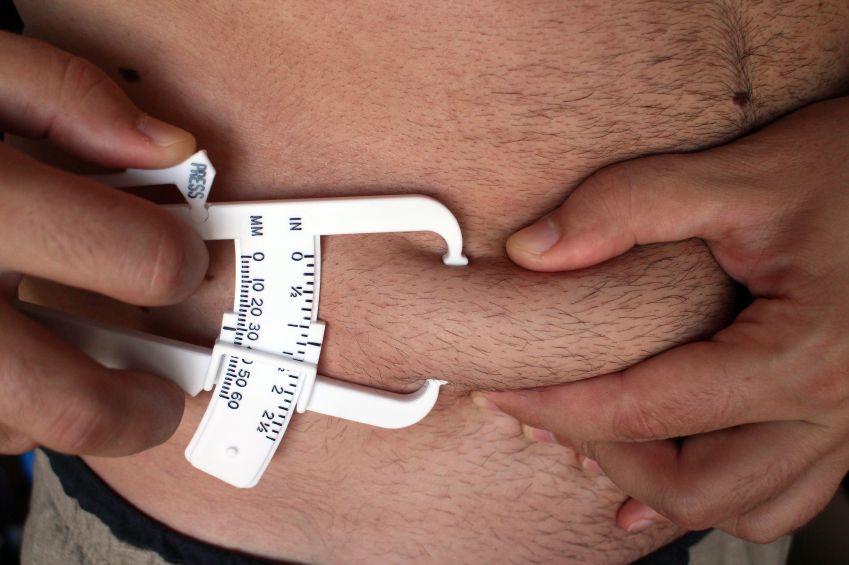 He explained the study took 21 young adults with high BMIs and brought their weight down by 10-15% for a start. After what you just read before, this weight loss was obviously a body stressor which made them hungry, tired and saw their metabolism slow down.
This is where things got interesting, though. Dr Ludvig put them on one of three diets over a month-long period.
The first was a low fat diet (20% fat, 60% carbs), which is to go-to plan for millions of dieters. Second was the high fat, Atkins-style diet (60% fat), and then in the middle was a 'low glycemic index' or 'meta training' diet (40% fat, 40% carbs).
They were all given the same amount of calories across the three different diets at the same body weight. He said:
He explained the study took 21 young adults with high BMIs and brought their weight down by 10-15% for a start. After what you just read before, this weight loss was obviously a body stressor which made them hungry, tired and saw their metabolism slow down.
This is where things got interesting, though. Dr Ludvig put them on one of three diets over a month-long period.
The first was a low fat diet (20% fat, 60% carbs), which is to go-to plan for millions of dieters. Second was the high fat, Atkins-style diet (60% fat), and then in the middle was a 'low glycemic index' or 'meta training' diet (40% fat, 40% carbs).
They were all given the same amount of calories across the three different diets at the same body weight. He said:
"Energy expenditure (metabolism/calorie burning) plummeted on the low fat diet. On the low carb (high fat) diet, energy expenditure - metabolic rate - didn't drop at all. Despite the weight loss, a low carb diet had completely abolished the negative effects of weight loss. Meta-training diet was in the middle."
 The difference was 325 calories a day extra burned - that's an hour of moderate cardio without even lifting a finger, he says.
That's incredible. The high fat, low carb diet was responsible for keeping the metabolism burning hundreds more calories.
But what's also interesting is that Dr Ludvig believes this study, along with one he did on how different carbs affect your hunger, seems to add weight to the argument that all calories aren't created equally in metabolic terms.
So basically the idea that 2,000 calories of sugary food aren't the same as 2,000 calories of high protein, omega 3-rich oily fish where your metabolism is concerned.
"If you simply focus on calorie restriction with the wrong food, you're going to be setting up a battle with mind and metabolism that you're likely doomed to lose," he explained.
So if you're going to try and lose weight, this particular study suggests restricting your calories with a diet high in (healthy) fat and low in carbs, which will keep your metabolism fast.
https://www.youtube.com/watch?v=8S2ENOvAOak
This article originally appeared on JOE.co.uk.
The difference was 325 calories a day extra burned - that's an hour of moderate cardio without even lifting a finger, he says.
That's incredible. The high fat, low carb diet was responsible for keeping the metabolism burning hundreds more calories.
But what's also interesting is that Dr Ludvig believes this study, along with one he did on how different carbs affect your hunger, seems to add weight to the argument that all calories aren't created equally in metabolic terms.
So basically the idea that 2,000 calories of sugary food aren't the same as 2,000 calories of high protein, omega 3-rich oily fish where your metabolism is concerned.
"If you simply focus on calorie restriction with the wrong food, you're going to be setting up a battle with mind and metabolism that you're likely doomed to lose," he explained.
So if you're going to try and lose weight, this particular study suggests restricting your calories with a diet high in (healthy) fat and low in carbs, which will keep your metabolism fast.
https://www.youtube.com/watch?v=8S2ENOvAOak
This article originally appeared on JOE.co.uk.
Fitness & Health

Fitness & Health

Fitness & Health

Fitness & Health
A bill to ban spiking has been “sitting on a desk” since 2023
Spiking is already a stand alone offence in the north, with a potential 10 year sentence. There is still no stand alone offence against spiking in Ireland, despite a bill passing a Seanad stage in 2023. Spiking is usually when someone is administered a drug or chemical without their knowledge or permission in a night […]
Fitness & Health
2 weeks ago
Some doctors using AI in consultations despite patient objections
One woman has detailed how she objected to the doctor using AI but she was ignored. Concerns have been raised with the Minister of Health about doctors using AI software during consultations despite patients objections. One woman, who wrote to the Minister Jennifer Carroll MacNeill and spoke to JOE, said she repeatedly told her consultant […]
Fitness & Health
1 month ago

Fitness & Health
Fitness & Health