





Movies & TV

Share
Published 16:55 30 Jun 2026 BST
Updated 08:47 1 Jul 2026 BST
One of the most popular film genres is no doubt the genre of war films, which is what gets people to theatres as they’re often action packed or cover a time in history which filmgoers also might find informative.
Typically, war films deal with warfare, mostly about naval, air, or land battles, with combat scenes central to the drama.
As a genre, it has been strongly associated with the 20th century, and themes explored include combat, survival and escape, sacrifice, the futility and inhumanity of battle, the effects of war on society, and the moral and human issues raised by war.
When it comes to war films, the most popular subjects are the Second World War and the American Civil War, while the stories told may be fiction, historical drama, or biographical.
Film critics especially have noted similarities between the Western and the war film.
For example, Asian countries like China, Indonesia, Japan, and Russia have their own traditions of war film.
Usually they are centred on their own revolutionary wars but taking varied forms, from action and historical drama to wartime romance.
Meanwhile, like other film genres such as horror, war films also have several subgenres.
They include anti-war, comedy, propaganda, and documentary.
While the genre is not tightly defined, some filmmakers and critics have offered at least tentative definitions.
For example, director Sam Fuller defined the genre by saying that “a war film's objective, no matter how personal or emotional, is to make a viewer feel war.”
On the other hand, John Belton identified four narrative elements of the war film within the context of Hollywood production: a) the suspension of civilian morality during times of war, b) primacy of collective goals over individual motivations, c) rivalry between men in predominantly male groups as well as marginalization and objectification of women, and d) depiction of the reintegration of veterans.
The genre is for the most part well defined and uncontentious, since war films are simply those about war being waged in the 20th century, with combat scenes central to the drama, according to film critic Stephen Neale.
He adds, however, that films set in the American Civil War or the American Indian Wars of the 19th century were called war films in the time before the First World War.
On the contrary, Julian Smith argues, the war film lacks the formal boundaries of a genre like the Western, but that in practice, “successful and influential” war films are about modern wars, in particular World War II, with the combination of mobile forces and mass killing.
Kathryn Kane, a film scholar, points out some similarities between the war film genre and the Western.
As she points out, both genres use opposing concepts like war and peace, civilization and savagery.
Meanwhile, war films usually frame World War II as a conflict between “good” and “evil” as represented by the Allied forces and Nazi Germany.
Compared to the war genre, the Western portrays the conflict between civilized settlers and the savage indigenous peoples.
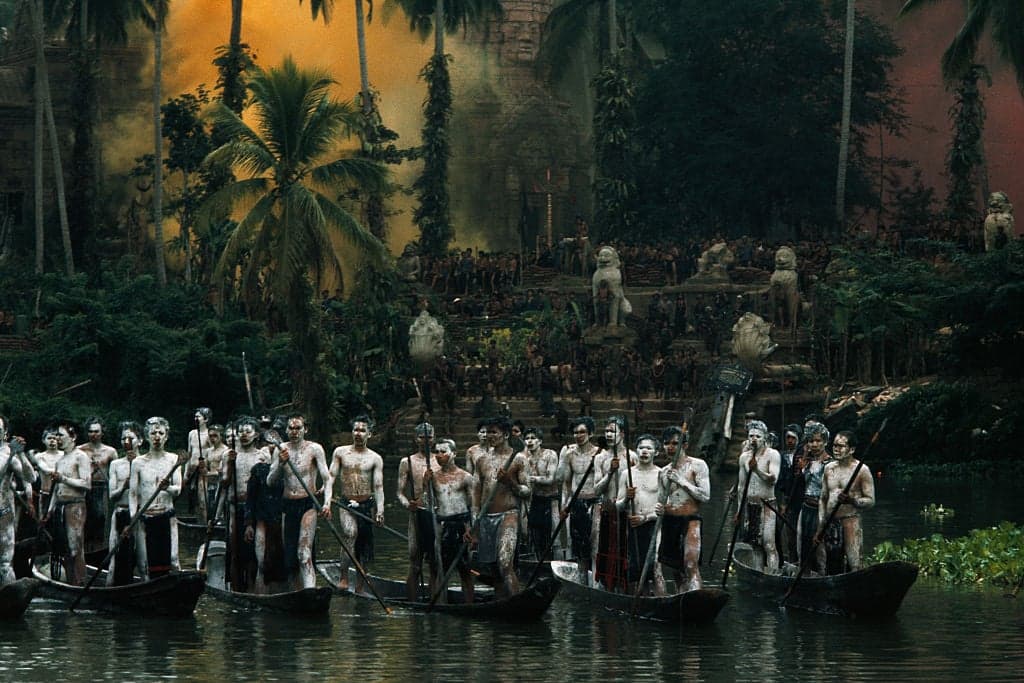
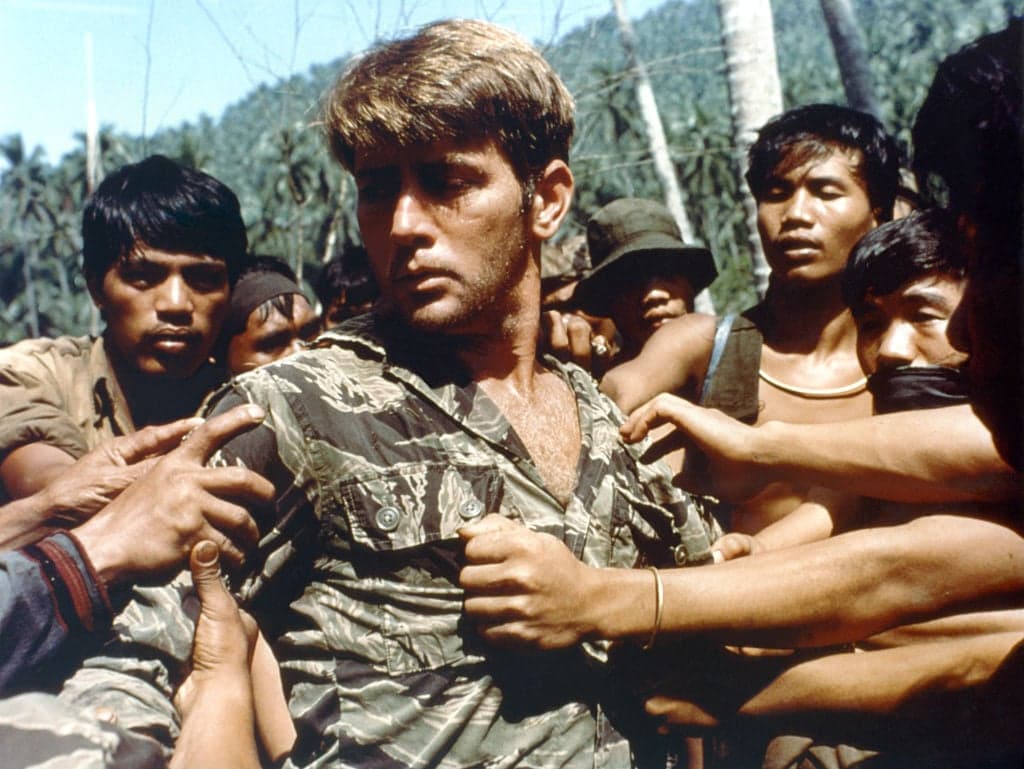
At the number one spot is Apocalypse Now, the ’70s war epic from co-writer and director Francis Ford Coppola (The Godfather trilogy).
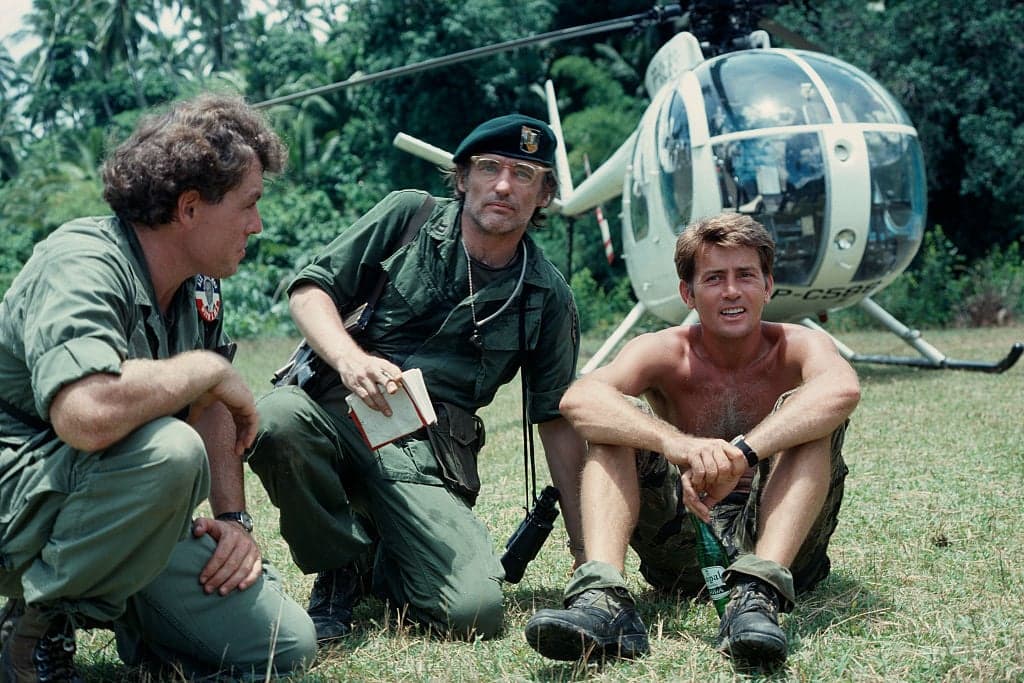
The film is set in the late 1960s in Vietnam and tells the story of Captain Willard (Martin Sheen), a US soldier who is sent to find and terminate Colonel Kurtz (Marlon Brando), a once-promising officer who has reportedly gone "insane".
In the company of a Navy patrol boat filled with street-smart kids, a surfing-obsessed Air Cavalry officer (Robert Duvall), and a crazed freelance photographer (Dennis Hopper), Willard embarks on an increasingly perilous and hallucinatory journey into the "heart of darkness".
Indeed, Apocalypse Now is loosely based on Joseph Conrad’s legendary novella Heart of Darkness, updating its setting from 19th-century Africa to the Vietnam War.
It also features an ensemble cast that includes Frederic Forrest, Laurence Fishburne, Scott Glenn, as well as a memorable Harrison Ford cameo.
Just as remembered as Apocalypse Now itself are the disastrous stories from the project’s production. These include severe weather destroying the sets, Brando reportedly turning up to the shoot unprepared, and Sheen suffering a near-fatal heart attack during production.
Despite the incredible difficulties during filming and the polarising reviews upon release, the movie is now considered one of the greatest films ever made. This is due to its jaw-dropping set-pieces, its hypnotic imagery and its odyssey-like story - all combining to capture the madness of war.
The film has been acclaimed by retrospective critics and viewers alike, with The Guardian naming it in 2010: “The best action and war film of all time.”
The film which won five Oscars, including in the Best Picture and Best Supporting Actor categories, is our number two pick.
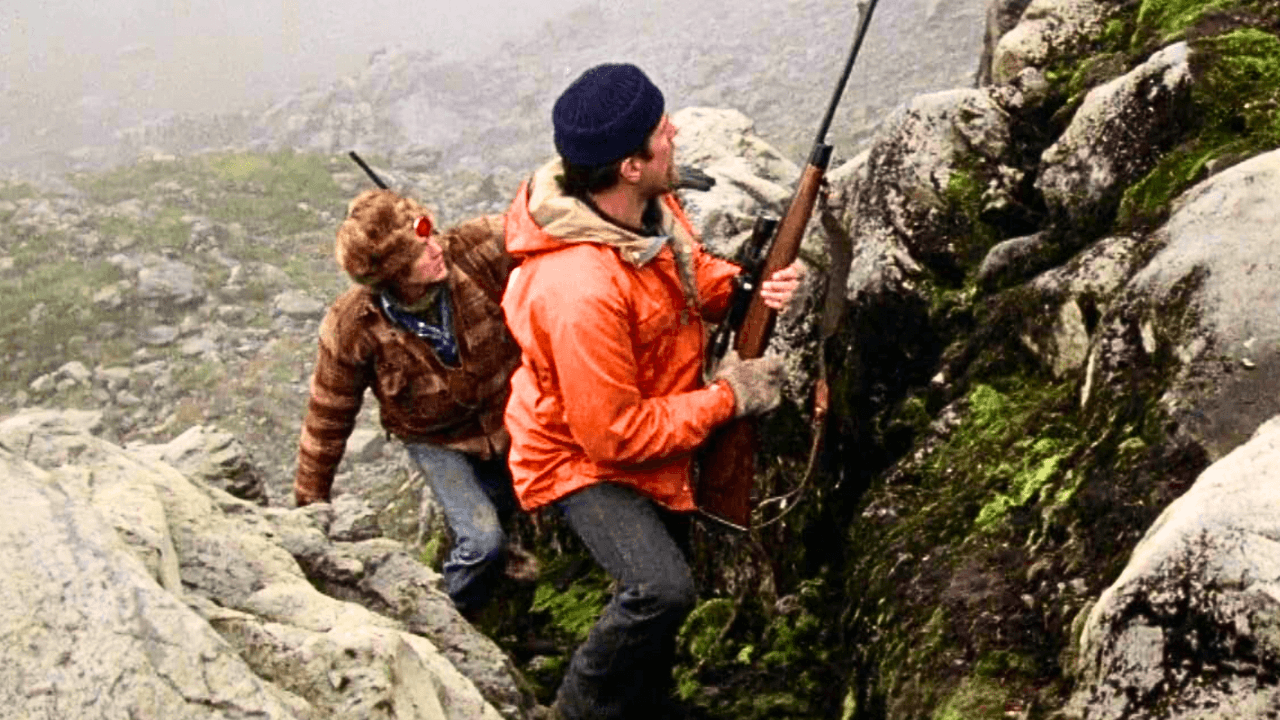
The Deer Hunter is a powerful 1978 epic war drama from director Michael Cimino (Heaven's Gate, Thunderbolt and Lightfoot).
The film begins in 1968 and follows Michael (Robert De Niro), Nick (Christopher Walken) and Steven (John Savage), lifelong friends from a working-class Pennsylvania steel town.
Preparing to ship out for military service in Vietnam, before they go, they attend Steven's elaborate wedding and embark on one final group hunting trip.
"In Vietnam, their dreams of military honour are quickly shattered by the inhumanities of war," the plot synopsis reads.
"Even those who survive are haunted by the experience, as is Nick's hometown sweetheart, Linda (Meryl Streep)."
The Deer Hunter sparked controversy for its depiction of Vietnam, particularly its much-publicised scenes of the Viet Cong forcing American captives to play Russian roulette, a plot point widely criticised as having no historical basis.
Nevertheless, the movie was a massive hit at the box office and with critics. It went on to win five Oscars, including Best Picture, Best Director for Cimino, and Best Supporting Actor for Walken.
Decades later, the three-hour-long drama remains a devastating exploration of what critic Roger Ebert called "the deliberately random violence" of war and how it impacts an ordinary group of friends.
The film also boasts some of the best acting viewers are ever likely to see. It's worth noting that the great John Cazale (Fredo in The Godfather) has a supporting role in The Deer Hunter, which was his final movie appearance before his death at 42.
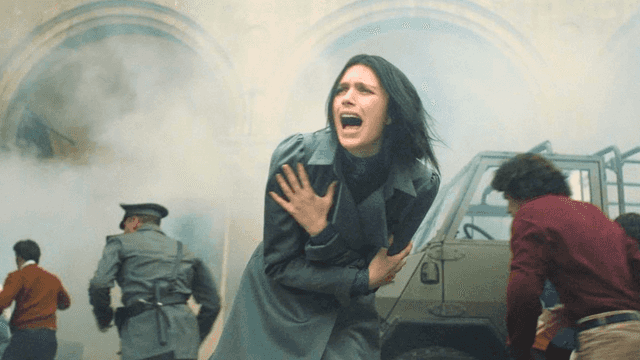
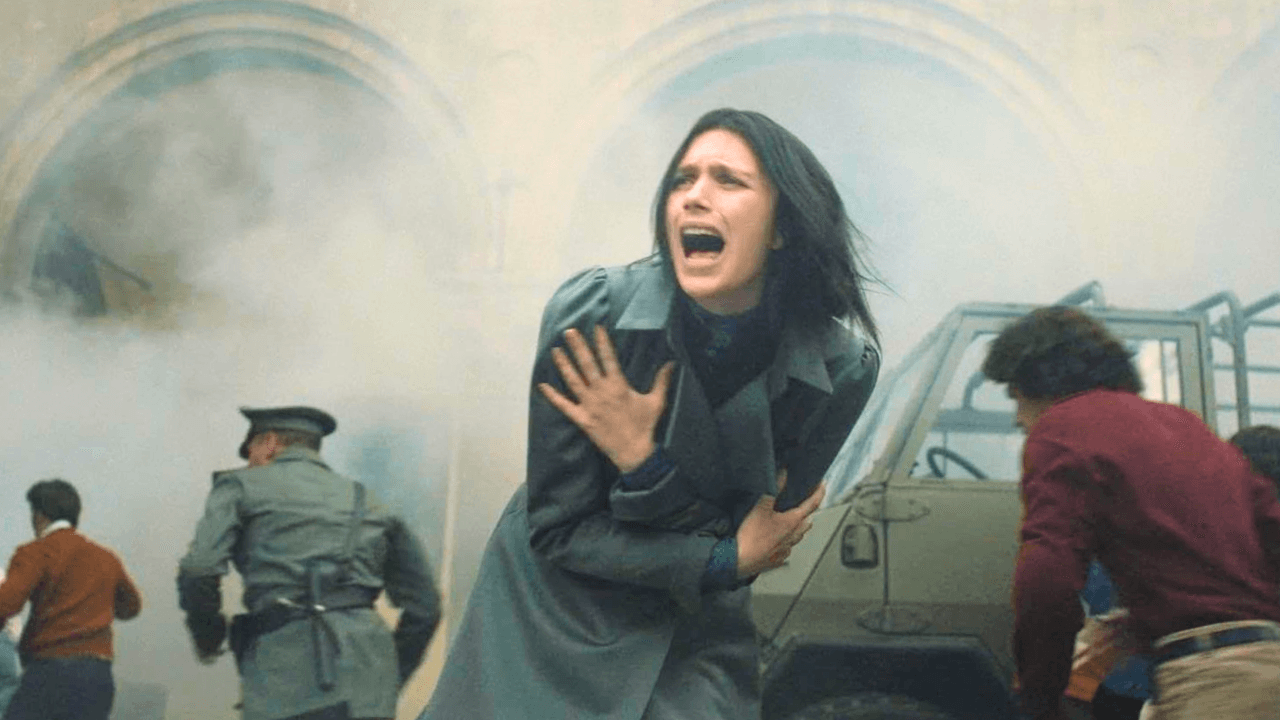
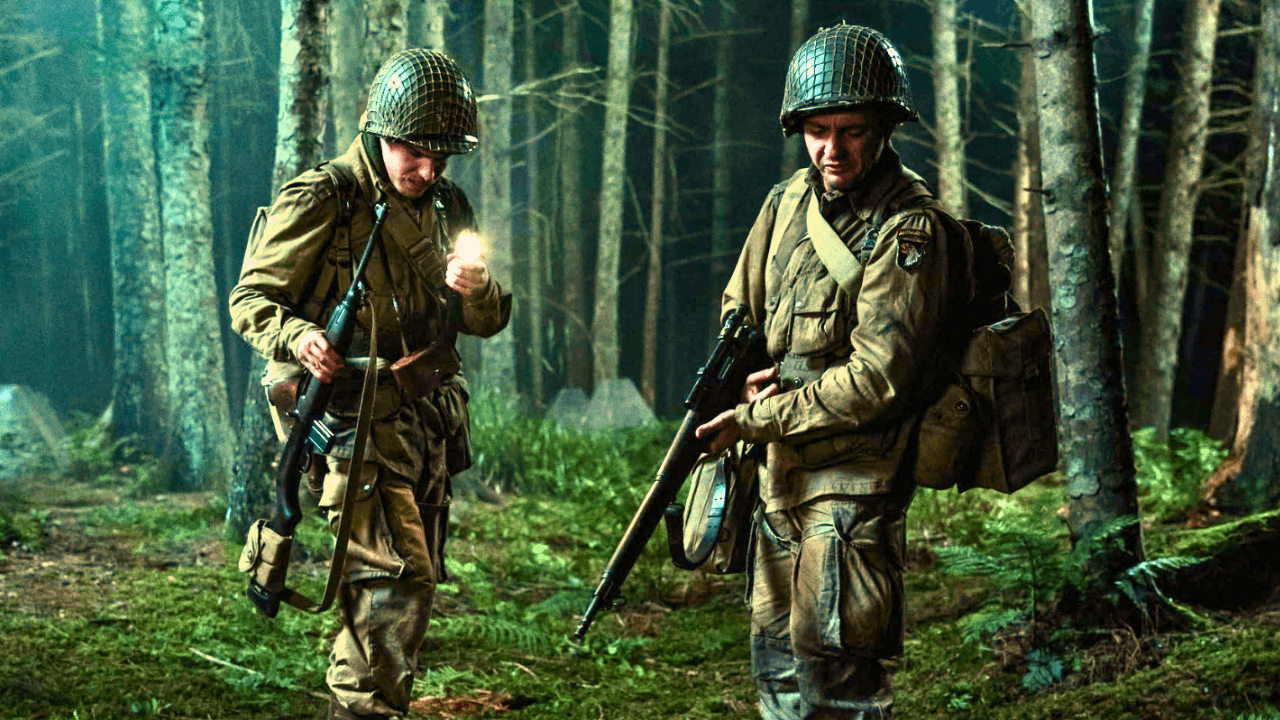
Overlord, the acclaimed 2018 action war thriller takes the number three spot.
Directed by Julius Avery (The Pope's Exorcist) and produced by J.J. Abrams (Cloverfield), the film is set towards the end of World War II.
Its story follows a group of American paratroopers who drop behind enemy lines to penetrate the walls of a fortified church and destroy a radio transmitter.
"As the soldiers approach their target, they soon begin to realise that there's more going on in the Nazi-occupied village than a simple military operation," the plot synopsis adds.
"Making their way to an underground lab, the outnumbered men stumble upon a sinister experiment that forces them into a vicious battle…"
Overlord boasts a screenplay by Billy Ray (Shattered Glass) and Mark L. Smith (American Primeval).
Its ensemble cast also includes Jovan Adepo (Babylon), Wyatt Russell (Falcon and the Winter Soldier), Pilou Asbæk (Game of Thrones), Mathilde Ollivier (1899), John Magaro (Past Lives), Bokeem Woodbine (Fargo), Iain De Caestecker (Agents of S.H.I.E.L.D.), Jacob Anderson (Interview with the Vampire) and Joseph Quinn (The Fantastic Four: First Steps).
Holding an 82% Rotten Tomatoes score, the movie earned particular praise upon release for its mix of genres, its intense set-pieces and its pulpy story.
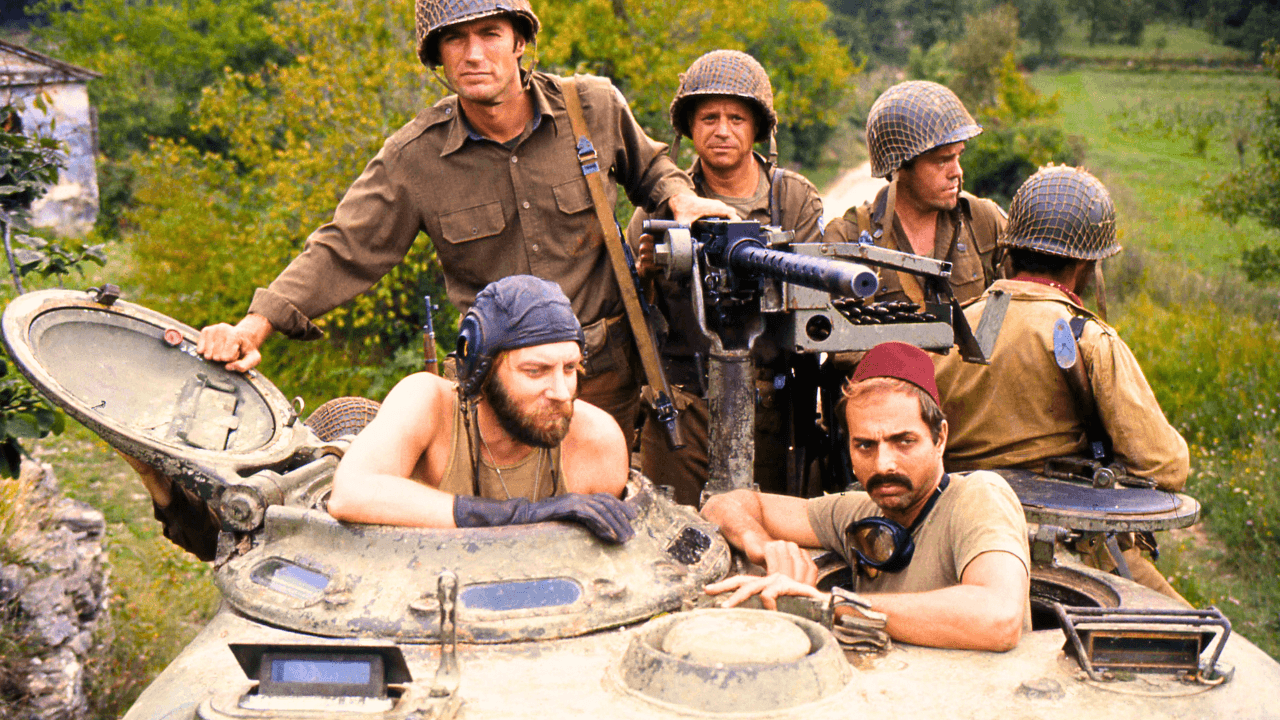
The 1970 war comedy-drama heist film Kelly's Heroes is set during World War II, and focuses on an array of colourful American soldiers who get inside information from a drunk German officer about millions of dollars' worth of gold that has been hidden on enemy soil.
As such, Kelly (Clint Eastwood, Pale Rider), a private with the platoon, devises a plan to sneak past the German officers to steal the loot for his crew.
Recruiting more men, the private sets his plan into action, with the team enduring several casualties in their efforts to carry out the heist.
The group, however, are determined to press forward, "even if it means striking a deal with the opposing army".
Written by Troy Kennedy Martin (who penned the script for the original Italian Job), the cast of Kelly's Heroes also includes Carroll O'Connor (All in the Family), Don Rickles (Casino), Donald Sutherland (Backdraft) and Telly Savalas (The Dirty Dozen).
The movie was praised upon release for its blend of a heist and a war story, as well as for its satirical elements.
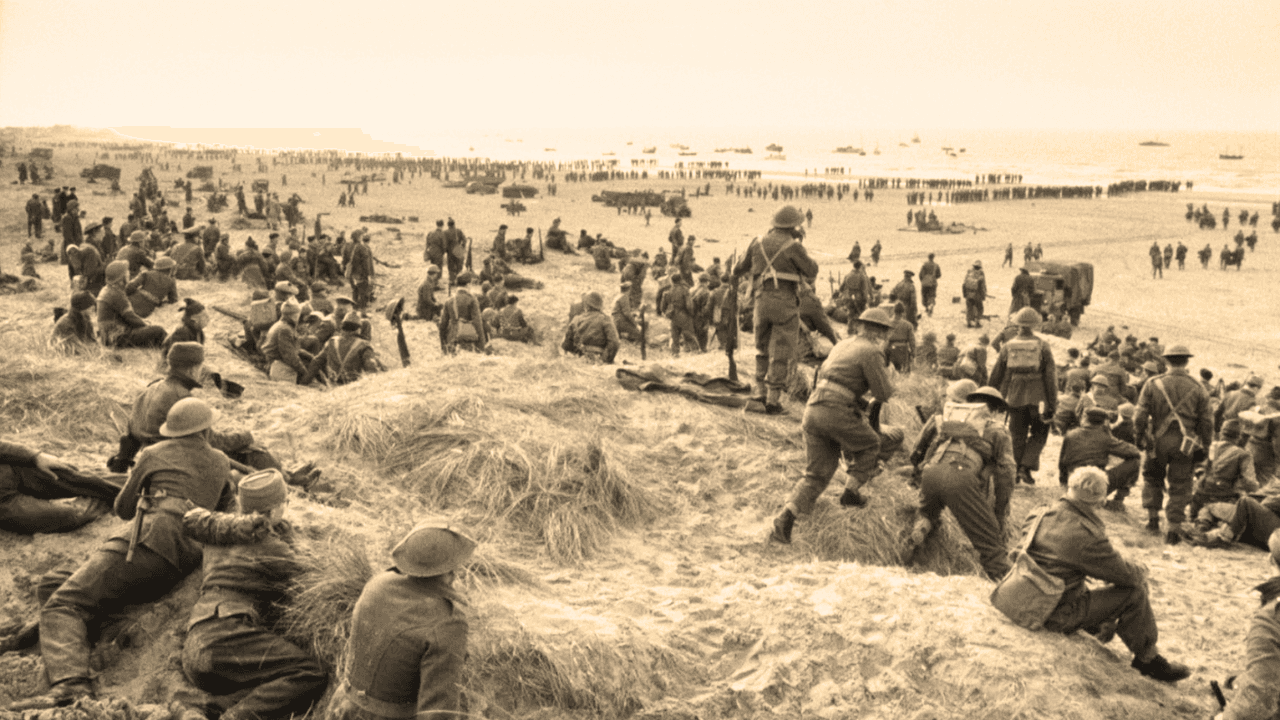
Ranked number five is Dunkirk, the 1958 World War II epic, which depicts real-life events.
Yes, you heard that right, it's not the Christopher Nolan one.
The film follows a group of British soldiers led by Corporal 'Tubby' Bins (John Mills, Ryan's Daughter) who are stranded in France and must make their way to the shores of Dunkirk in hopes of a rescue.
"Back in Britain, Charles Foreman (Bernard Lee, James Bond), a newspaper reporter, desperately tries to raise awareness among the public of the horrible reality of the war," the plot synopsis reads.
"When the British navy calls for all civilian ships to aid in a rescue, Foreman takes out his own small boat and attempts to bring Tubby and his men home safely."
Co-starring Richard Attenborough (Jurassic Park), the war movie was a hit in cinemas and later became a staple of TV broadcasts for decades.
There was recently a renewed interest in the 1958 film, thanks to writer-director Christopher Nolan's acclaimed 2017 thriller of the same name, which also retells the story of the historic WWII evacuation.
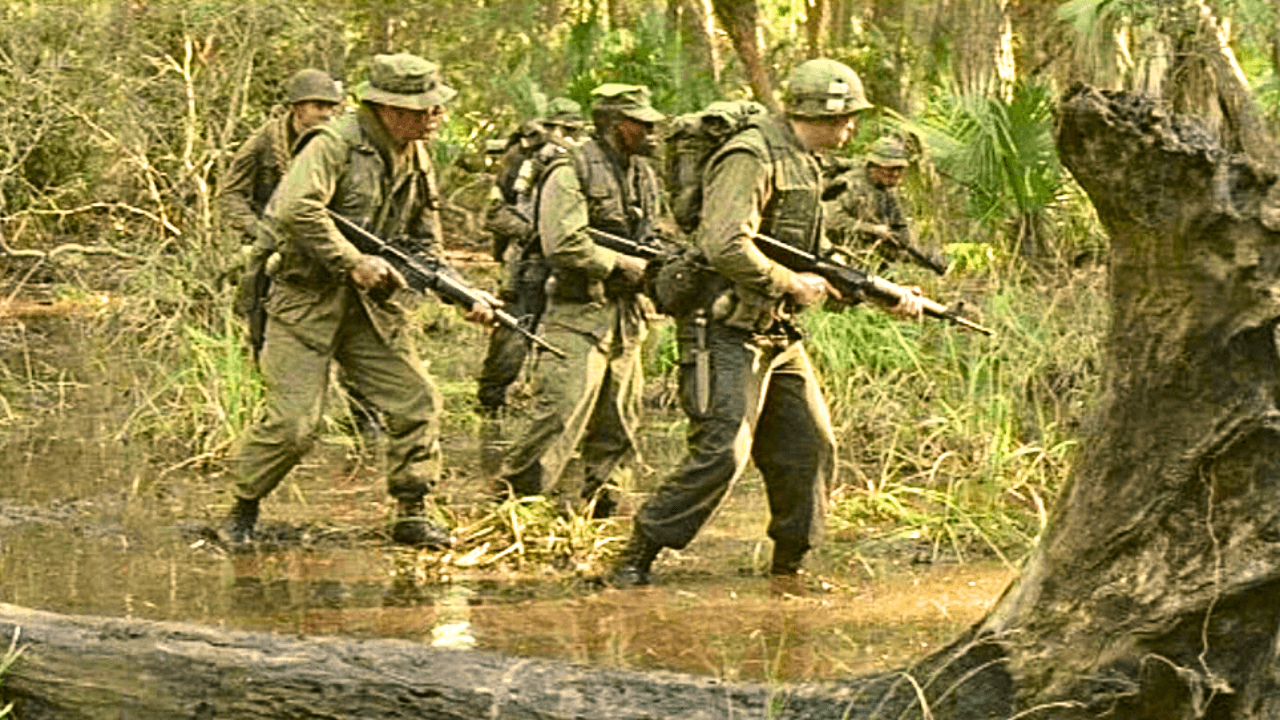
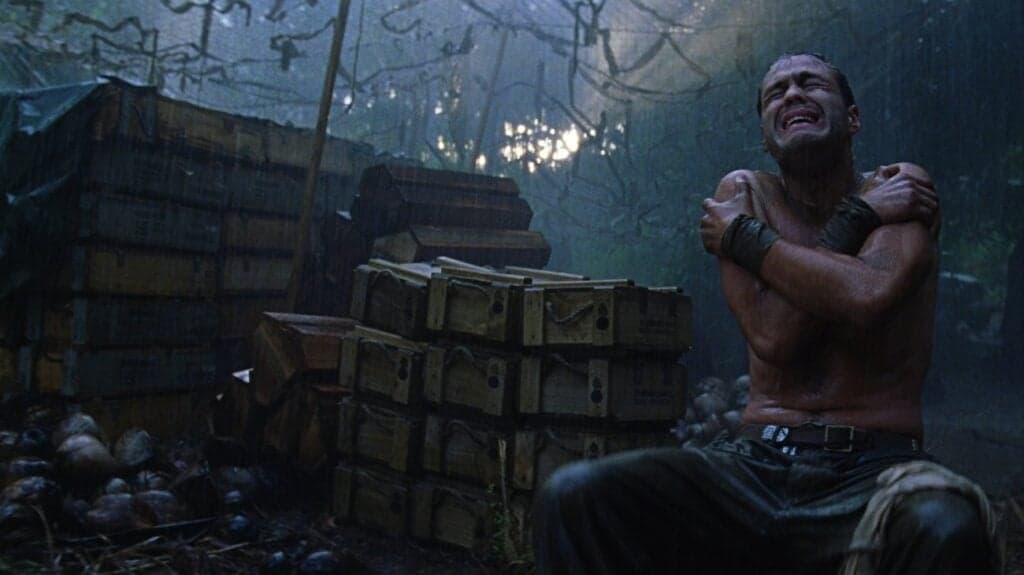
Platoon is the 1986 movie focusing on a young US Army recruit (Charlie Sheen, again) in Vietnam who finds himself caught in a battle of wills between two sergeants, one good (Willem Dafoe) and the other evil (Tom Berenger).
Based on the movie's writer and director Oliver Stone's own experience serving in the Vietnam war, Platoon's stunning central performances, enhanced realism and tense-as-hell battle sequences led it to win four Oscars, including the Best Picture award.
Directed by legendary filmmaker William Friedkin (The Exorcist, The French Connection, To Live and Die in LA), Rules of Engagement stars Oscar-nominee Samuel L. Jackson (Pulp Fiction) as Col. Terry Childers, a 30-year US Marine veteran and decorated officer with combat experience in Vietnam, Beirut and Desert Storm.
Despite this experience, he finds himself on trial by the country he served for so long after a rescue mission at the US embassy in Yemen goes horribly wrong.
"For his attorney, he has chosen Marine Col. Hays Hodges (Oscar-winner Tommy Lee Jones, The Fugitive), a comrade-in-arms who owes his life to Childers," the plot synopsis reads.
Rules of Engagement's screenplay was penned by Oscar-winner Stephen Gaghan (Traffic).
The movie's cast also includes Anne Archer (Fatal Atraction), Ben Kingsley (Sexy Beast), Blair Underwood (Longlegs), Bruce Greenwood (House of Usher), Guy Pearce (Memento) and Philip Baker Hall (Boogie Nights).
Thanks to the late and great Friedkin's typically muscular direction and the film's excellent performances, Rules of Engagement is well worth seeking out.
This is particularly for fans of the type of legal thrillers in which brilliant actors deliver big speeches and shout over each other in court.
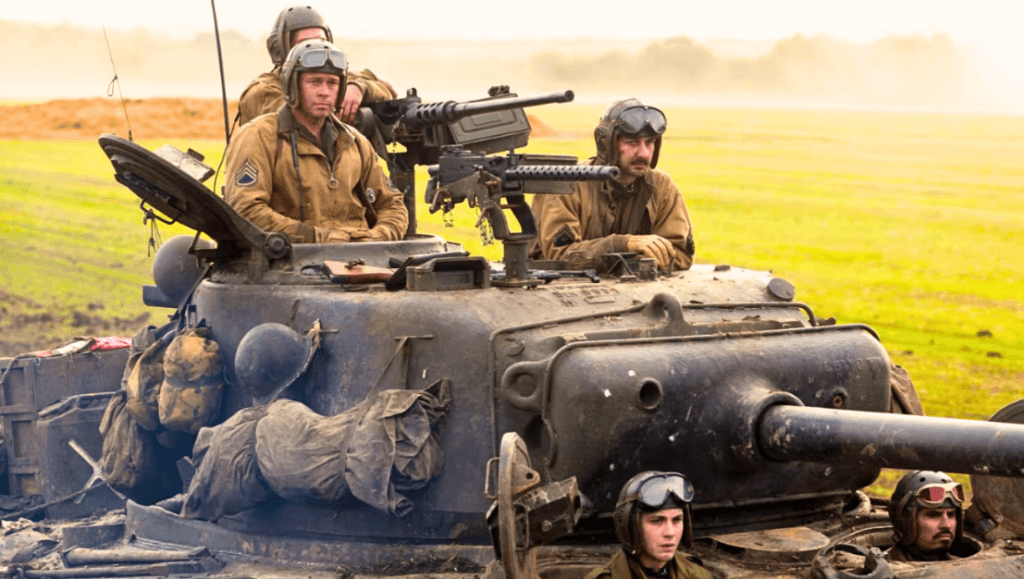
Part of the top ten best war films is also Fury, the 2014 hard-hitting World War II action drama starring Oscar-winner Brad Pitt (F1, Inglourious Basterds).
Set in April 1945, when the Allies are making their final push in the European theatre, the film centres on a battle-hardened Army sergeant named Don 'Wardaddy' Collier (Pitt).
This is as he leads a Sherman tank and a five-man crew on a deadly mission behind enemy lines.
"Hopelessly outnumbered, outgunned and saddled with an inexperienced soldier (Logan Lerman, Bullet Train) in their midst, Wardaddy and his men face overwhelming odds as they move to strike at the heart of Nazi Germany," the plot synopsis adds.
Written and directed by David Ayer (The Beekeeper), the rest of Wardaddy's crew is played by Jon Bernthal (The Punisher), Michael Peña (End of Watch) and Shia LaBeouf (Megalopolis).
Praised upon its release for its intense performances and its visceral action set-pieces - which both really capture the horrors of warfare - Fury's reputation has only improved in the decade since it came out.
A poll on the website Ranker places the movie 15th in a list of the best war films of all time.
Legendary director Terrence Malick disappeared from the film world for twenty years after directing two of the most extraordinary movies of the 1970s, Badlands and Days of Heaven.
He resurfaced in 1998 with The Thin Red Line, his visionary adaptation of James Jones’s 1962 novel about the World War II battle for Guadalcanal.
While it is a big-budget, spectacularly mounted epic, The Thin Red Line is also one of the most deeply philosophical films ever released by a major Hollywood studio.
It is a thought-provoking meditation on man, nature, and violence.
Featuring a cast of contemporary cinema’s finest actors - Sean Penn, Jim Caviezel, Nick Nolte, Elias Koteas, and Woody Harrelson among them - The Thin Red Line is a kaleidoscopic evocation of the experience of combat that ranks as one of the greatest war films ever produced.
The film score was composed by Hans Zimmer, with additional music from John Powell, while the album was nominated for Best Dramatic Score at the 71st Academy Awards.
It was Hans Zimmer's fifth Oscar nomination as a composer, but he lost out to Roberto Benigni's Life is Beautiful.
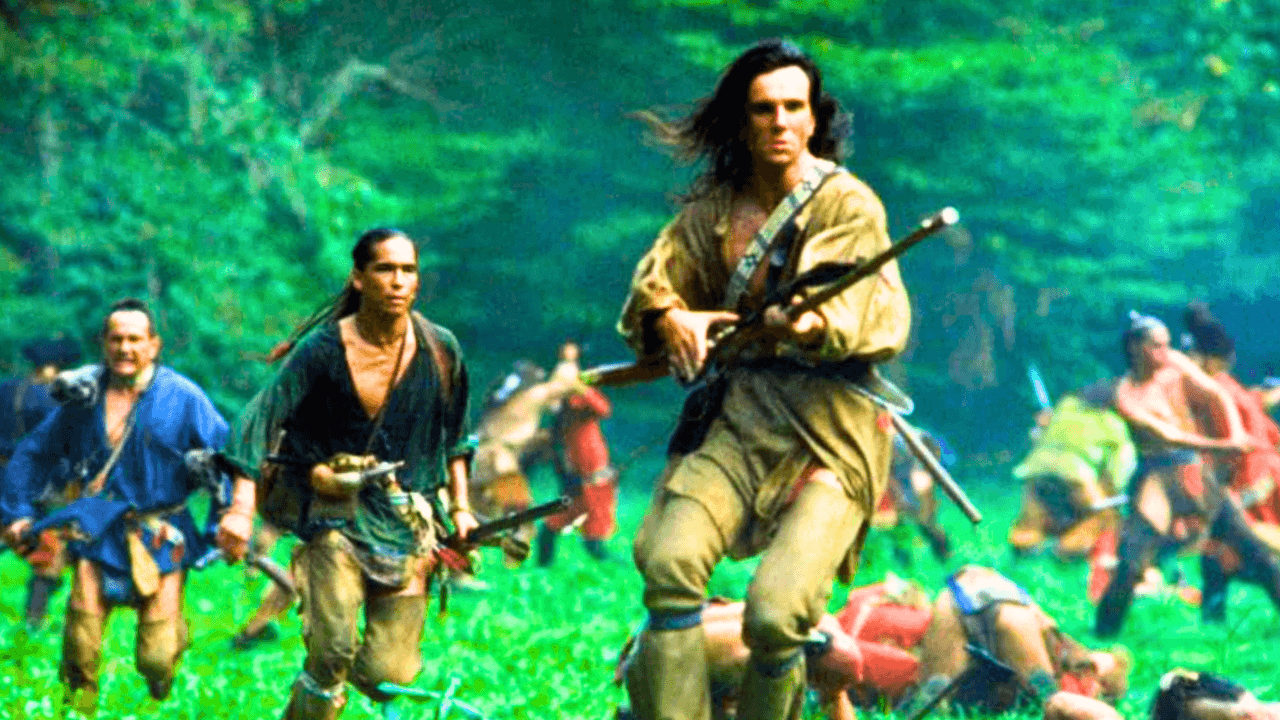
To conclude the list of the best war films is the epic Oscar-winning historical war epic, The Last of the Mohicans, directed by Michael Mann (Heat, Miami Vice).
Set in 18th-century America, the film follows the last members of a Native American tribe, the Mohicans - Uncas (Eric Schweig), his father Chingachgook (Russell Means), and his adopted half-white brother Hawkeye (Oscar-winner Daniel Day-Lewis) - who live in peace alongside British colonists.
But when the daughters (Jodhi May and Madeleine Stowe) of a British colonel are kidnapped by the traitorous scout, Magua (Wes Studi), it is up to Hawkeye and Uncas to rescue them.
This is in the midst of a gruesome military conflict of which the Mohicans wanted no part: the French and Indian War.
The Last of the Mohicans perfectly blends sweeping romance (between Day-Lewis and Stowe's characters) with a fascinating and hard-hitting depiction of the historical conflict.
Boasting universally terrific performances, gorgeous but naturalistic cinematography and several unforgettable moments ('I will find you!'), it's no surprise that the historical epic placed 30th on Ranker's list of the best war movies ever.


| Rank | Movie Title | Year | Director | Lead Cast |
| 1 | Apocalypse Now | 1979 | Francis Ford Coppola | Martin Sheen, Marlon Brando, Robert Duvall |
| 2 | The Deer Hunter | 1978 | Michael Cimino | Robert De Niro, Christopher Walken, Meryl Streep |
| 3 | Overlord | 1975 | Stuart Cooper | Brian Stirner, Davyd Harries, Nicholas Ball |
| 4 | Kelly's Heroes | 1970 | Brian G. Hutton | Clint Eastwood, Telly Savalas, Don Rickles |
| 5 | Dunkirk | 2017 | Christopher Nolan | Fionn Whitehead, Tom Hardy, Cillian Murphy |
| 6 | Platoon | 1986 | Oliver Stone | Charlie Sheen, Willem Dafoe, Tom Berenger |
| 7 | Rules of Engagement | 2000 | William Friedkin | Tommy Lee Jones, Samuel L. Jackson, Guy Pearce |
| 8 | Fury | 2014 | David Ayer | Brad Pitt, Shia LaBeouf, Logan Lerman |
| 9 | The Thin Red Line | 1998 | Terrence Malick | Sean Penn, George Clooney, Adrien Brody |
| 10 | The Last of the Mohicans | 1992 | Michael Mann | Daniel Day-Lewis, Madeleine Stowe, Russell Means |
Movies & TV

Movies & TV
Movies & TV

Movies & TV
JOE.ie Irish Movie TV Listings Friday 16 October to Monday 19 October
With JOE’s new column, you’ll never miss a movie airing on TV again. Out of all these films available on Irish TV, my pick of the weekend is… King Frankie. For anyone who has ever stumbled upon one of JOE’s daily movie-on-TV articles too late, this is the column for you. We are giving readers […]
Movies & TV
7h
Colin Farrell Foundation launched in honour of son James
Farrell hopes to improve support for adults with Angelman syndrome Colin Farrell is launching a foundation to support adults with Angelman syndrome, inspired by his son James, who turned 20 this year. The Irish actor has spent much of the past two decades raising his eldest son while building a successful career in Hollywood. Now, […]
Movies & TV
9h
Movies & TV
An unforgettable new thriller is available to watch this week
Movies & TV