







News

Share
Published 14:55 22 Oct 2026 BST
Updated 15:07 22 Oct 2026 BST

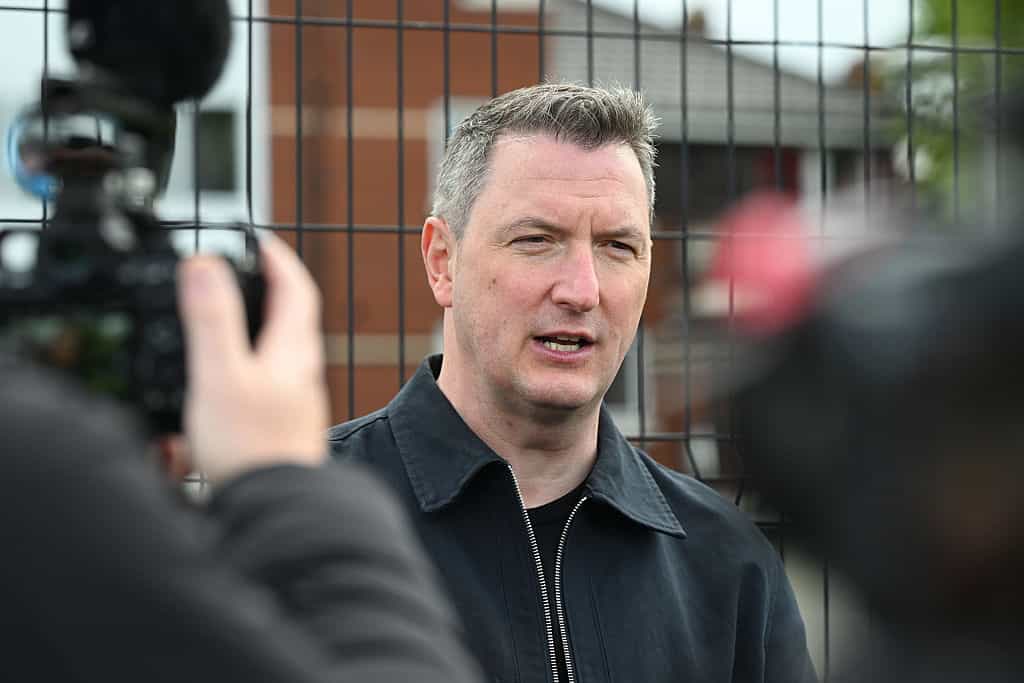
The Dublin Rape Crisis Centre pulled an online advert about consent on Thursday, after Minister for Justice Jim O'Callaghan objected to the video's message.
The advert showed a young girl clearly uncomfortable as two older relatives hugged her. A voiceover said: "Not everyone wants a hug. Even from the people who love them."
O'Callaghan said the clip was "both inappropriate and demeaning" to grandparents. He confirmed it was removed after his officials engaged with the DRCC.
The video produced by the DRCC involving grandparents does not represent the views of the Government. It was both inappropriate and demeaning to grandparents and has been removed by DRCC following my officials engagement with them.
— Jim O'Callaghan TD (@OCallaghanJim) October 22, 2026
The minister added that the ad "does not represent the views of the Government."
The core of the message is one of consent. Seeking to teach people that just because you want to hug and kiss someone, that does not mean you have a right to, even if you're related or have done before.
The first child in the advert hugs the grandparents. The second child is uncomfortable with physical touch, highlighting differences in children and the implication of consent.
You cannot assume someone has consented, but no one is going to arrest you for hugging your grandchild and no one except angry people on X is suggesting they are. The advert has been easily taken out of context.
The reason these adverts are important, is because most children who are sexually assaulted are preyed on by people they know.
In the landmark SAVI Report, over 80% of children who experienced sexual abuse knew the perpetrator.
Family members (such as parents, siblings, or extended relatives) accounted for about 24% of perpetrators against girls and 14% of perpetrators against boys, while other known non-family individuals made up the majority of the rest.
Likewise, the Rape Crisis Network Ireland (RCNI) indicates that for children under 13, relatives and family members represent over 60% to 65% of perpetrators in cases coming forward to specialized support services.
Public information on these statistics is critical, which is why adverts are needed to spread awareness and supports.
The ad displayed an awkward picture of over bearing grandparents and what looked like an uncomfortable teen, a subtle nod to the issue rather than portraying the very real issue of predators in our own families. Perhaps that is the only language that some people understand.
Under Irish law (such as the Criminal Law (Rape) Act 1981 and subsequent updates), rape and sexual assault involves non-consensual sexual intercourse or actions where the accused either knows there is no consent or is reckless as to whether consent exists.
Social media was flooded with offended grandparents and far-right supporters alike, decrying a "nanny state" claiming people would be jailed for hugging a child without their say so, none of which is true and only serves to further undermine the real issue of sexual violence.
It is essential to have public messaging around consent as its been proven repeatedly that most people are confused about its meaning. Likewise, sexual violence continues to rise and convictions for rape and sexual assault are pitifully low.
Estimates suggest that roughly 14% or fewer of reported rapes proceed to trial, and an even smaller percentage of all committed sexual crimes are ever reported.
Out of cases that do reach prosecution or court, approximately half result in a conviction, while others are pending, struck out, or acquitted.
Consent can be given and taken away at any point, by any person.
The advert was bad, the truth behind it is worse.
Explore more on these topics:

News
News

News
News
Couple found dead in Bray lost two children in fire nine years ago
The body of Biddy O’Brien was discovered at about 8am in the Cois Cairn estate in Bray on Wednesday. Biddy O’Brien was injured in the fire that killed her four year-old son Jordan and one year-old daughter Holly, in an apartment fire Clondalkin in March 2017. She had been in a coma after the blaze, […]
News
3h
Explained: Could Irish troops fight alongside Israel now we have removed Triple Lock?
The Dail debated the Triple Lock last night (Wednesday) in what has been described as “undemocratic”. The government narrowly won the vote on proposed legislation removing need for UN approval of Irish troop deployments. What is it? The triple lock requires that before more than 12 Irish troops are deployed abroad, three tests must be […]
News
3h

News
Storm Austen warning: status yellow rain alert for whole country
News