







Business

Share
Published 11:36 27 Jul 2026 BST
Updated 11:36 27 Jul 2026 BST
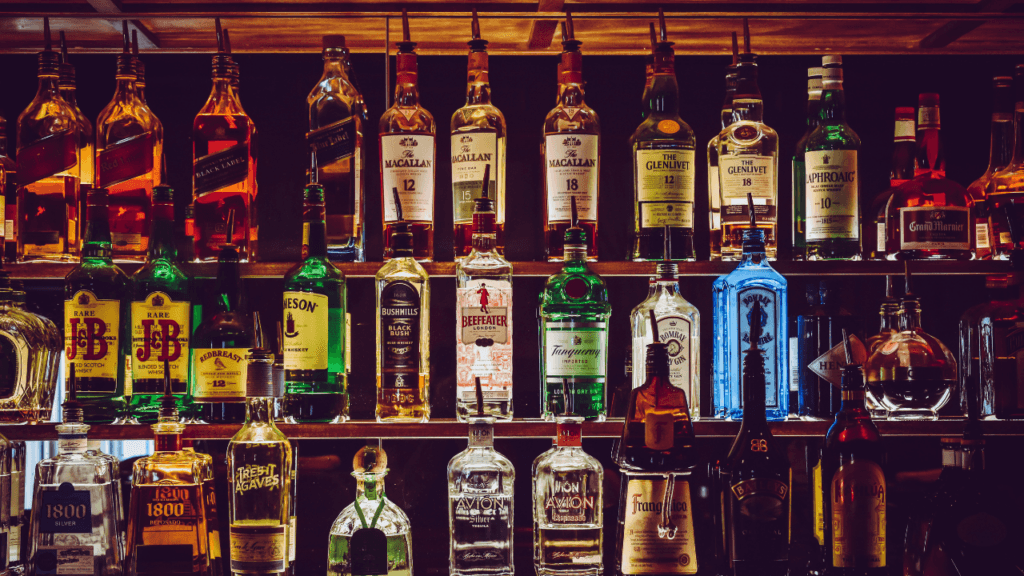
Alcohol consumption among Irish people has continued to fall over the last 25 years, marking a 36% reduction.
A report by economist Anthony Foley on behalf of the Drinks Industry Group of Ireland (DIGI), shows that average alcohol consumption per adult fell by 2.1% last year to 9.30 litres of pure alcohol (LPA).
Among last year’s favourite drinks, beer keeps being the country’s most popular alcohol. Despite experiencing a 2.7% drop in total volume, it holds a 42.1% market share.
Wine remained the second most popular drink last year, increasing its volume to claim a 29.4% market share, doubling its popularity since 2000, when it held just a 13.2% share.
Despite a slight increase, spirits have risen from 22.3% market share last year to 22.4%.
Cider maintains a stable 6.1% market share.
“Today’s report demonstrates that Irish people continue to consume alcohol at levels in line with the European average”, said Donall O’Keefe, Secretary of DIGI and CEO of The Licensed Vintners Association.
Out of 17 EU countries plus the UK tracked by the OECD in 2023, ten exceeded the Irish average consumption level for that year of 9.9 LPA.
“Despite this, Irish consumers are forced to pay one of the most punitive and unjust rates of excise tax on alcohol in the European Union”, he added.
“This policy increases cost pressures on both consumers and struggling small family-owned pubs and restaurants, during a prolonged period of economic turbulence. High excise rates also reduce our competitiveness in tourism and hospitality compared to our EU counterparts.”
For this reason, O’Keefe calls on policymakers to “acknowledge the importance of pubs to the social fabric and wellbeing of local communities” and urges the “Government to introduce an immediate 10% cut in excise tax in order to reduce cost pressures on small hospitality businesses around the country.”
This measure is especially important for pubs that don’t serve food, because they don't benefit from the VAT9, a reduced 9% value-added tax rate.
“We must help rather than hinder small business,” he said.
Explore more on these topics:

Business

Business
Business

Taoiseach calls for calm as residents of Garvaghy Road due to meet NI secretary
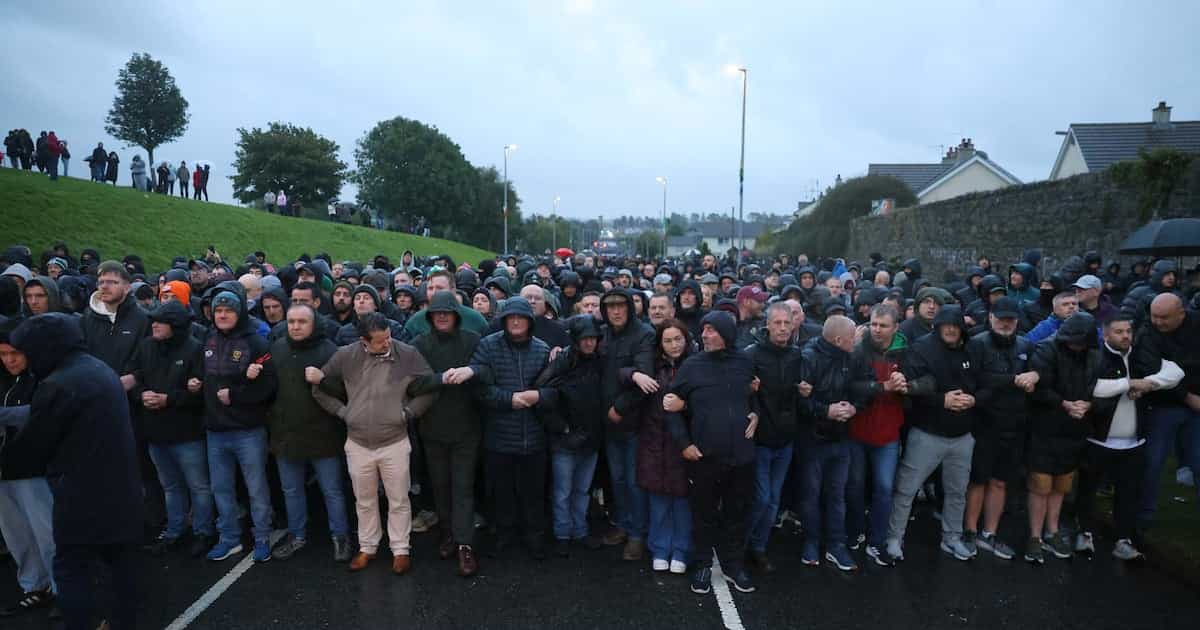
The Taoiseach says he is “very concerned” at the stand-off over the Drumcree Orange Order parade. Michéal Martin praised the PSNI while the Orange Order called for the Chief Constable Jon Boutcher to resign. It came after three attempts by Orange marchers to walk down the Garvaghy Road were blocked by police – the latest […]
Business
1h
Opioid prescriptions in Ireland rise 18% between 2018 and 2025
The drug behind a major US epidemic. The number of opioid prescriptions under Ireland’s public drug schemes increased by 18% between 2018 and 2025, according to an RTÉ Investigates analysis of HSE data. Across the seven years, 17 million opioid prescriptions were recorded under the General Medical Services (GMS), Long Term Illness and Drugs Payment […]
Business
2h
Business
Homelessness has risen 9% this year
Business