




Business

Share
Published 12:48 8 Sept 2026 BST
Updated 12:48 8 Sept 2026 BST
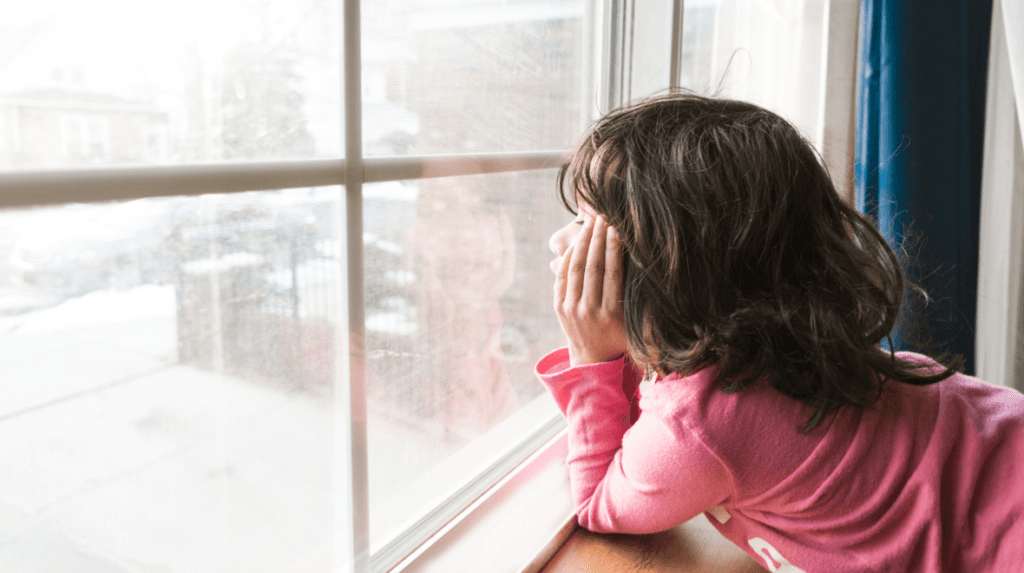
More than 200,000 children in Ireland were living in households below the poverty line in 2024, according to new research from the Economic and Social Research Institute (ESRI).
The figure represents 17.4% of children, an increase of almost 30,000 children since 2021.
The poverty line is defined as having less than 60% of median household income. When housing costs are taken into account, the figure rises to 260,000 children, or 22.7%.
This comes despite average household incomes rising by 4% between 2023 and 2024, after accounting for inflation, household size and composition.
However, the research found that incomes grew faster for higher-income households.
The top 10% of households saw their incomes increase by more than 7%, compared with 3% for the bottom half.
The ESRI said this contributed to a rise in income inequality.
The rise in child poverty was particularly pronounced among families with young children.
For families whose youngest child was aged between 0 and 5, the rate increased from 20.8% to 26.6% when housing costs were taken into account.
For families whose youngest child was aged over 11, the rate actually fell from 12.4% to 10.1%.
The ESRI said the figures show why housing costs are important when measuring child poverty.
The Government has set a target of reducing child poverty to 3% by 2030, but the ESRI said it is currently “very far” from reaching that goal.
Using the Government's official measure, child poverty currently stands at 8%.
This measure counts children who are both below the poverty line and experiencing material deprivation, meaning they cannot afford at least two essential goods or services.
The ESRI said this measure can miss children experiencing material deprivation who have incomes just above the poverty line, particularly those facing high housing costs.
The research further found that 10% of children under 16 experienced child-specific deprivation in 2024, including being unable to afford school trips, regular leisure activities or new clothes.
Children in large families, jobless households and supported rental housing were more likely to experience this type of deprivation.
Around 9% of children under 16 experienced both child-specific deprivation and household deprivation, with these children more likely to live in lone-parent families, households with limited employment, and migrant families.
The findings come as Taoiseach Micheál Martin said the level of child poverty is “not acceptable”, while questioning the methodology used by the ESRI.
Speaking on RTÉ's Morning Ireland, he argued that the 60% income threshold was a “very high benchmark” and said the research did not capture the full impact of recent Government measures such as free schoolbooks, hot school meals and free GP care for under-nine-year-olds.
“A lot of that isn’t getting measured in the particular framework that was used.”
On the proposed second tier of Child Benefit, the Taoiseach said the Government had concerns about its impact on existing supports.
“We don’t want to bring in a system that would actually take 100,000 children out of current support programmes. So it’s not simple.”
He said more work was needed to reduce child poverty, but the Government would focus on increasing child support payments and opportunities for people on lower incomes.
“I think the best way to do it is through increasing child support payments and other measures that can increase income levels, but also opportunities for people on the lowest incomes. That’s the strategy we will use.”
The ESRI said new policy measures will be needed if the Government is to meet its child poverty target.
It recommended introducing a means-tested second tier of Child Benefit, saying this would reduce child poverty more effectively per euro spent than increasing existing supports.
Dr Barra Roantree, Assistant Professor at Trinity College Dublin and a co-author of the report, said housing costs should be included when measuring child poverty.
“Regardless of how it is measured, it is clear that new policy measures – such as a second tier of child benefit – will be needed if the Government is to come close to meeting this target,” he said.
Bertrand Maître, Senior Research Officer at the ESRI, said one in 10 children are not protected from the effects of household hardship.
He said this is likely to mean children feel excluded and miss out on social and educational opportunities.
Community Foundation Ireland CEO Denise Charlton said the findings show that many children and families continue to face "enormous challenges".
“The harsh reality is a rising tide does not lift all boats,” she said.
Business
Business

Business
Business
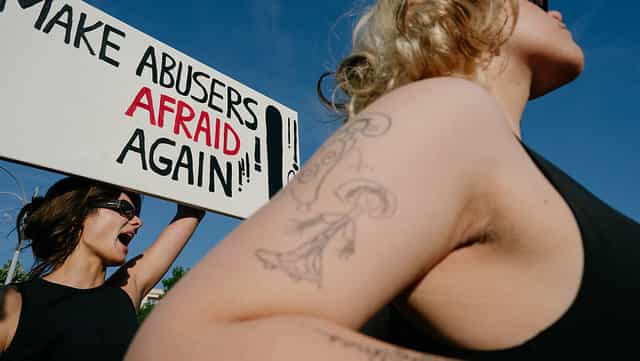
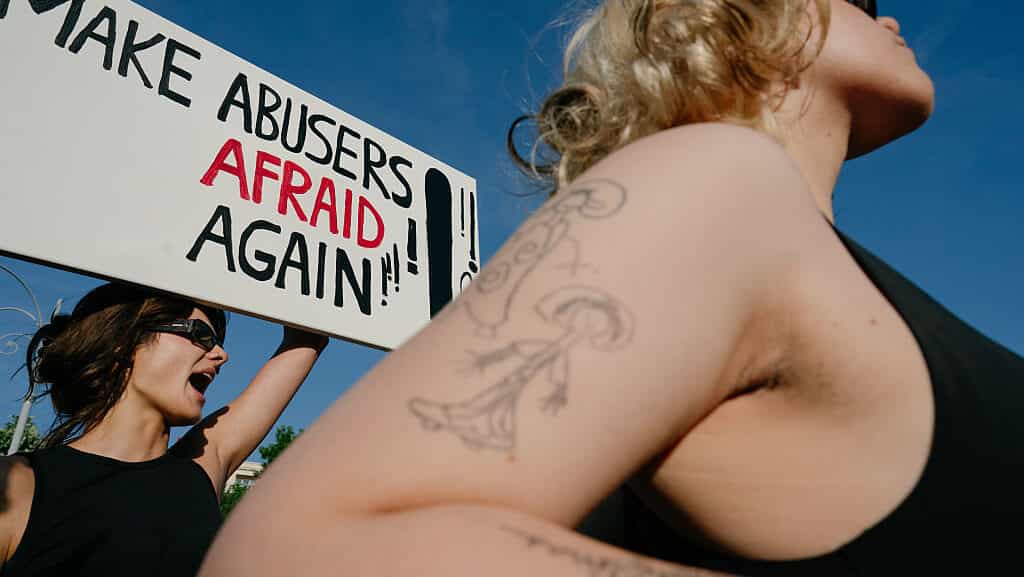
Over half of NI women murdered since 2020 were strangled before their death
A new study by The Queen’s University Belfast found that 55% of murdered women were previously strangled by the man who killed them. Researchers have described non-fatal strangulation (NFS), in which the victim is strangled but survives as “the last warning shot” before she is killed. Women who experience non-fatal strangulation are 750%, almost eight times, […]
Business
21h
Ticketmaster accused of breaching consumer law over Oasis tickets
Ticketmaster has been accused of “misleading commercial practice” in connection with ticket sales for the Oasis reunion concerts at Croke Park last year. Oasis played two sold-out reunion shows in Croke Park in Dublin in August 2025. The ticket giant has been accused of breaching consumer law in two charges under the Consumer Protection Act […]
Business
23h
Business
Cork Lotto player wins €3.6 million jackpot ahead of major game change
Business