







News

Share
Published 12:50 26 May 2026 BST
Updated 16:08 26 May 2026 BST

It's the question many of us asked ourselves as kids: just how hot does it have to get before we're sent home from school early?
The short answer is that there is no official legal maximum temperature that automatically triggers school closures in Ireland.
However, should temperatures climb above 30°C across several consecutive days and Met Éireann issue a Status Red warning, schools would be required to shut their doors.
In the absence of those conditions, individual schools retain full discretion to close when they see fit.
Closures due to extreme heat remain virtually unheard of in this country however it's a question many parents will be turning over today after Met Éireann issued a Status Yellow high temperature warning for Tuesday and Wednesday.
The alert, issued on Tuesday morning, applies to counties Clare, Kerry, Limerick, Tipperary, Galway, Kilkenny, Laois and Offaly.
It runs from 12pm on Tuesday until 6pm on Wednesday, with temperatures in the affected counties expected to push past 27°C. It will also be an uncomfortably warm night, with the mercury staying in and around 15°C.
Met Éireann has flagged water safety risks from increased use of lakes and beaches, the possibility of forest fires, disrupted sleep and heat stress as potential impacts during the warning period.
Keeping children safe in the heat
Children are particularly vulnerable in hot weather because they don't sweat as efficiently as adults, making it harder for their bodies to cool down.
Parents are urged to ensure babies and young children drink plenty of fluids throughout the day.
Heat exhaustion can quickly develop into heatstroke if the body cannot cool itself within 30 minutes and heatstroke is a life-threatening medical emergency.
Children suffering from heat exhaustion are usually tired, irritable or bad-tempered. Other warning signs include intense thirst, weakness or fainting, cramps in the arms, legs or stomach, loss of appetite, nausea or vomiting, headaches, excessive sweating, pale clammy skin, and a temperature above 38°C but below 40°C.
If you suspect heat exhaustion, bring your child indoors or into the shade. Remove unnecessary clothing, sponge their skin with cool water, and place cold packs around their neck and armpits.
If they're alert and behaving normally, offer them a cold drink, but avoid caffeine. If they are drowsy or not fully responsive, do not force fluids.
Call 999 or 112 immediately if your child is still unwell 30 minutes after treatment, feels hot and dry, has stopped sweating despite the heat, has a severe headache, a temperature of 40°C or higher, is breathing rapidly or struggling for breath, is confused, has a seizure, loses consciousness or becomes unresponsive. These are signs of heatstroke.
To prevent heat exhaustion in the first place, encourage plenty of cold drinks (especially around exercise), cool baths or showers, and light-coloured loose clothing.
Keep children in the shade between 11am and 3pm, and avoid vigorous outdoor play when temperatures push past 30°C.
According to the Safety, Health and Welfare at Work (General Application) Regulations state, if the work involved rigorous physical effort, temperatures should be at least 17.5C, or 16C.
The regulations added: “During working hours, the temperature in rooms containing workstations is appropriate for human beings, having regard to the working methods being used and the physical demands placed on the employees.”
Furthermore, while no maximum figure is given, the Safety Health and Welfare at Work Act 2005 says employers owe a general duty to ensure the safety of staff.
Under the act, employers must 'take reasonable care to protect his or her safety, health and welfare and the safety, health, and welfare of any other person who may be affected by the employee’s acts or omissions at work.'
The IBEC, who represent Irish businesses, outlined that if companies work to try and bring down the heat, you won’t get a day off.
“Where an employer is obviously sympathetic and tries to alleviate the worst effects of hot weather, most employees should bear with temporary discomfort and continue working normally.
“Unless conditions are extreme, measures such as those outlined above should prevent any employees justifiably claiming that the company is in breach of its duty under the 2005 Safety Health and Welfare at Work Act.
“Any refusal by the employees to work would then place them in breach of their contracts of employment, which could lead, to loss of pay/disciplinary action," they stated.
An employer should carry out a risk assessment if a significant number of employees are complaining about the temperature.
Additionally, the Health and Safety Authority said measures should be taken by employers to cool the workplace down as the temperature rises.
Chief Operating Officer at Peninsula Ireland, Moira Grassick, said: “Employers have a duty of care to all their employees, meaning they must ensure that the temperature does not reach dangerous levels.
“The health and safety of staff should always be a priority, and although the high temperatures are only expected for a couple of days, employers should be prepared.
“Fortunately, many businesses are already allowing flexible working, which can help you to adapt over the hot weather period.
“Allowing staff to work from home or staggering their hours to avoid the hottest parts of the day can help. This is especially helpful for workplaces where employees are required to wear heavy PPE or use heavy machinery.
“If your staff work outside, they may be at more risk to heat stroke and sunburn so consider providing sun cream and allowing plenty of breaks for staff to rest and hydrate.”
She added: “It’s critical that teams are aware of the signs of heatstroke – like weariness, irritability, and headaches - which can in some cases, if left untreated, become deadly.
“Should any of these symptoms be present in your staff, medical assistance should be called for right away."
Relaxed dress codes are another step in making the workplace more comfortable in warm conditions.
The HSA advises: “There is no maximum temperature stated under the regulations but as a guideline a minimum comfortable working temperature for indoor sedentary workers is 17.5C.
“In extremely hot weather conditions, measures such as for example, the provisions of fans, provision of cold water dispensers and regular water breaks for staff, the relaxation of formal dress codes, the introduction of flexible working patterns etc, can assist in maintaining comfortable working conditions."

News
News
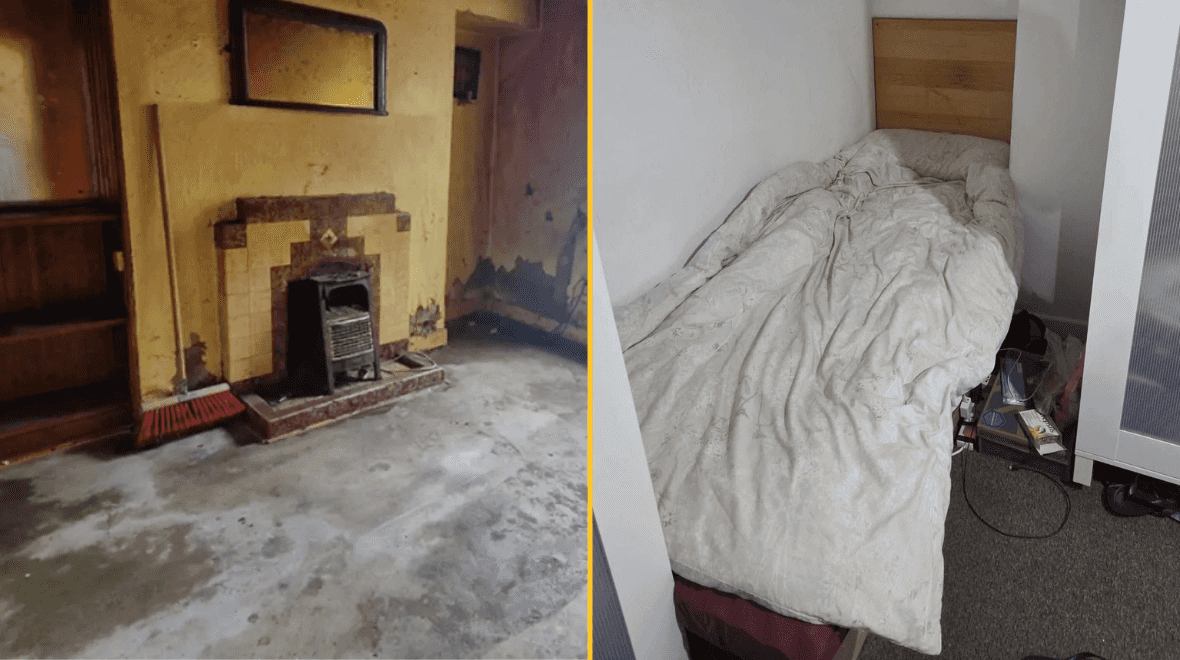
Housing crisis in Ireland summed up by these unbelievably bad property listings
Because it’s really really bad. From tiny rooms to homes in need of serious work, some recent property listings have shown just how bleak the housing market has become. It’s not just the eye-watering prices that leave people stunned, but what those prices actually get you. With demand for homes across Dublin, and beyond, continuing […]
News
13h
Irish boy receives record breaking heart transplant
Beloved Irish nine-year-old, Dáithí Mac Gabhann, has finally received a heart transplant. Dáithi held the record for the longest wait of any child in the world for a heart transplant, having been on the waiting list since 2018. The Belfast schoolboy was born with a condition called Hypoplastic Left Heart Syndrome. This means he only […]
News
15h

News
Some Cork bus routes to see price decrease
News