









Life

Share
Published 12:03 8 Jul 2026 BST
Updated 12:10 8 Jul 2026 BST
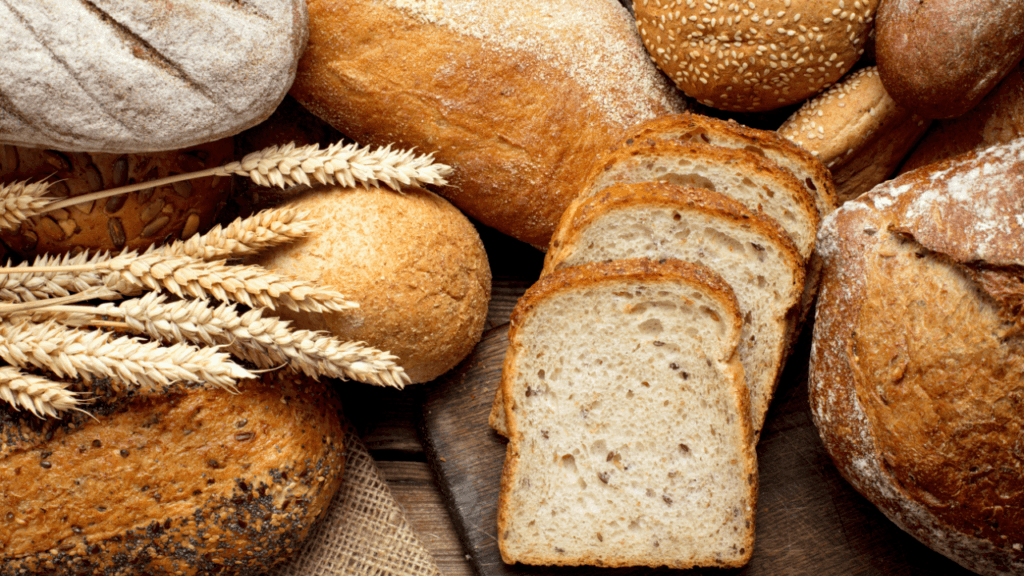
Glucose spikes. Many of us have probably heard this term. However, how many of us know what it means?
Anti-inflammatory diet. Glycaemic index. Protein synthesis. Terms of this calibre feature in the headlines of some out-of-context articles and appear in viral videos on social media about the latest fad diets.
Catchy phrases grab the attention of a huge number of consumers who, after watching that Instagram video or reading their favourite nutrition guru’s newsletter, end up with more questions than answers.
I count myself among the victims of this system. I, too, have come to believe that the solution to my poor diet lies in eating yoghurt with chia seeds bought from the most expensive health food shop in the neighbourhood, and that a pinch of Himalayan salt packaged in the fanciest wrapping will give me all of the answers.
One of the diets currently at the forefront of food trends is the gluten-free craze. In other words, people are cutting gluten out of their lives without consulting a professional, in the hope that after a month, they will feel ten years younger. For some strange reason, we love to keep saying, ‘Since I’ve been on this diet, I feel much lighter’.
But why might this change in diet be counterproductive for those who do not have coeliac disease or gluten sensitivity? What’s more, how many of us could name five foods that contain gluten? And the key question: does anyone know what on earth gluten is?
Gluten is a protein found in wheat, barley and rye that gives food its structure. It should only be avoided in cases of coeliac disease or a diagnosed sensitivity, according to a post on the official account of dietitian and nutritionist María Merino.
To put it simply, “coeliac disease is a condition in which the body is unable to metabolise the gluten protein,” explains Sonia Ruiz, a doctor and dietitian-nutritionist. More specifically, it is “an abnormal immune response to gluten that causes inflammation and damage to the intestinal lining.”
“These patients must follow a gluten-free diet, with absolutely no traces of gluten, because they can have severe reactions to even very small amounts,” continues Ruiz.
Then there are intolerances and sensitivities. Although the term ‘intolerance’, from a medical point of view, refers to sugars, it is used in relation to gluten to provide an explanation that is clear and understandable to the general public.
In the first case, “only a certain daily amount of that protein is tolerated”. Furthermore, “tolerance varies enormously depending on the specific condition and cannot be summarised as a fixed daily amount for all patients”, says Ruiz.
As for the second point, the body’s reaction depends on how sensitive the patient is on that particular day. “If I’m very nervous or stressed, for example, I produce a lot of cortisol, which causes underlying inflammation in my gut. Consequently, I’ll be more sensitive to gluten on that day”, continues Ruiz.
Ruiz also emphasises that gluten should never be eliminated from the diet without a prior diagnosis. “These are molecules that are a little difficult to digest. Inside the gut, we have enterocytes – cells with a sort of ‘brush’ that is responsible for metabolising everything we eat” (including gluten molecules).
It is possible that if we eliminate these difficult-to-digest gluten molecules for a prolonged period, when we reintroduce them, the enterocytes will find it much harder to metabolise them.
“There are patients who cut it out because of trendy diets and then find it makes them feel worse than before,” concludes Ruiz. But she clarifies that this is a “colloquial” explanation, as “there is no solid evidence that a healthy person will develop a significant physiological inability to digest gluten simply because they have removed it from their diet for a while.”
However, Ruiz has treated patients who experience “changes in their gut microbiota, altered digestive adaptation to certain foods, or increased symptoms when reintroducing foods after a period of exclusion.”
Put very simply, if we stop exposing our gut to gluten-containing ingredients, we may weaken it, and we will find it much harder to digest gluten-containing foods when we reintroduce them. Furthermore, unnecessary gluten-free diets can deplete the gut microbiota.
But it is worth bearing in mind that this is only a possibility and that, at the end of the day, every case is different.
Many people claim that they feel better after giving up gluten. Some even say they have lost weight. Could it be that they suffered from some form of sensitivity or intolerance, or that they were undercover coeliacs?
Although this may be the case in some instances, there is another explanation.
When people cut out gluten, they unconsciously stop eating pastries, biscuits and other sweet treats as well. In other words, they also cut out sugars, saturated fats and oils. “Perhaps it wasn’t the wholemeal macaroni that was causing you problems,” explains Aitor Sánchez, a dietitian-nutritionist and food technologist, on his official Instagram account.
Furthermore, it’s worth bearing in mind that many people who give up gluten do not replace the carbohydrates found in wheat with others, such as rice, potatoes or maize. In other words, without realising it, they are cutting out a whole group of macronutrients from their diet.
“If there is weight loss when cutting it out, it is usually due to other changes in the diet, not the absence of gluten [or lactose],” writes Merino in her post.
When we cut out carbohydrates from our diet, we notice rapid weight loss, which is often mistaken for fat loss. “You’d be losing glycogen and, above all, water,” explains dietitian and nutritionist Júlia Farré on her Instagram account.
As a side effect, as well as a guaranteed loss of happiness, there’s a loss of energy. Ultimately, “you’d stop losing weight, and your metabolism would slow down. And that’s where you’d end up [...] on a super-restrictive diet,” concludes Farré.
Often the problem isn’t gluten but one-size-fits-all decisions, restrictive diets, the spread of fads and a lack of information.
Depriving yourself of a good breakfast of wholemeal toast or your grandmother’s macaroni when your body is perfectly capable of digesting it would be disrespectful not only towards yourself but also towards that 1 per cent of the world’s population with coeliac disease.
This interview has been edited for reasons of length and clarity.
This article is intended for informational and educational purposes only and does not substitute medical advice or a personalized nutrition plan. Always consult a qualified healthcare professional before making changes to your diet or health practices.
To improve readability for a general audience, some scientific concepts and details have been simplified or omitted.


Life

Life

Life

Life
Social media is ruining your breakup healing process – here’s why
“First, mute their stories, or stop following their friends…” We have all been guilty of eavesdropping on other people’s conversations at some point. Especially in restaurants, where there is always a table where a couple of friends are discussing their romantic dramas and breakup memories. ‘Well, the other day they liked my post on my […]
Life
1 week ago
Couples who consider sleeping divorce might be happier – here’s why
Sleeping divorce might be an option Sleeping next to your “other half” feels so exciting at the beginning stages of a relationship. The idea of waking up next to your favourite person sounds priceless. However, as time goes on and one discovers that one’s partner’s slumber has nothing to do with the Sleeping Beauty’s rest, […]
Life
1 week ago
Woman with boobs so big she can’t play with her son denied NHS surgery
Life